It started with one tomato plant that kept dying
It was 2017, a sweltering April in Tucson, and I’d just transplanted my third heirloom tomato seedling into the backyard. The first two had wilted within days—one from too much sun, the other from a fungal spot that spread overnight.
This time, I swore I’d gotten it right: the soil was loose, the pot had drainage holes, and I’d even mixed in compost from my abuelo’s old garden.
But by the third week, the leaves curled yellow at the edges, then blackened. The stems felt hollow when I pressed them, and the roots—when I finally dug it up—were tangled in a web of cottony white mold.
I’d followed every guide I could find: water in the morning, not the evening; mulch to keep the soil cool. Still, the plant was rotting from the inside out.
That night, I sat on the porch with a shovel in my lap and realised I’d been treating the soil like an afterthought. The guides never mentioned *my* soil—the alkaline, clay-heavy earth that baked under the desert sun.
They didn’t warn you about the hidden salts or the way water pooled in the wrong places. That failure taught me something the books didn’t: growing plants isn’t about following rules. It’s about reading the land.
Nine tries before it worked
The fourth attempt ended in a fire blight so severe I had to burn the plant in the compost bin. The fifth used raised beds, but the soil was still too dense—I spent hours breaking it up with a fork, only for the roots to suffocate again.
By the seventh try, I’d switched to containers, but the drainage holes were too small, and the waterlogged roots gave up within a week.
Then came the breakthrough: I tested the soil pH and adjusted it with sulfur, mixed in perlite to lighten the clay, and planted in the late afternoon to avoid the peak sun. Still, the eighth plant struggled—until I noticed the neighbor’s irrigation system was spraying it daily.
That’s when I moved it under the porch eave, where the drip system could reach it without drowning it.
The ninth seedling thrived. It grew five feet tall, produced tomatoes until October, and taught me that failure isn’t a dead end—it’s a map. Each mistake had led me closer to understanding *this* soil, *this* climate, *this* plant. But the real lesson wasn’t just about tomatoes.
It was about how to write for people who, like me, are still learning to read the earth.
The mind behind these pages

I’m Lamar Sandoval, and I still remember the first time I dug my hands into the earth as a kid, helping my abuelo tend his vegetable patch in Arizona. There was something about watching seeds sprout into life that stuck with me—even when half the seedlings died.
Now, I run *Garden Porch* because I believe the magic of gardening isn’t in the blooms, but in the dirt beneath them.
I’m the kind of person who replants a dead seedling three times before admitting defeat. My abuelo used to say I had ‘the stubbornness of a prickly pear,’ and he wasn’t wrong.
That habit cost me more than a few plants—it cost me years of assuming I knew what I was doing, until the day I finally started listening to the land instead of the books.
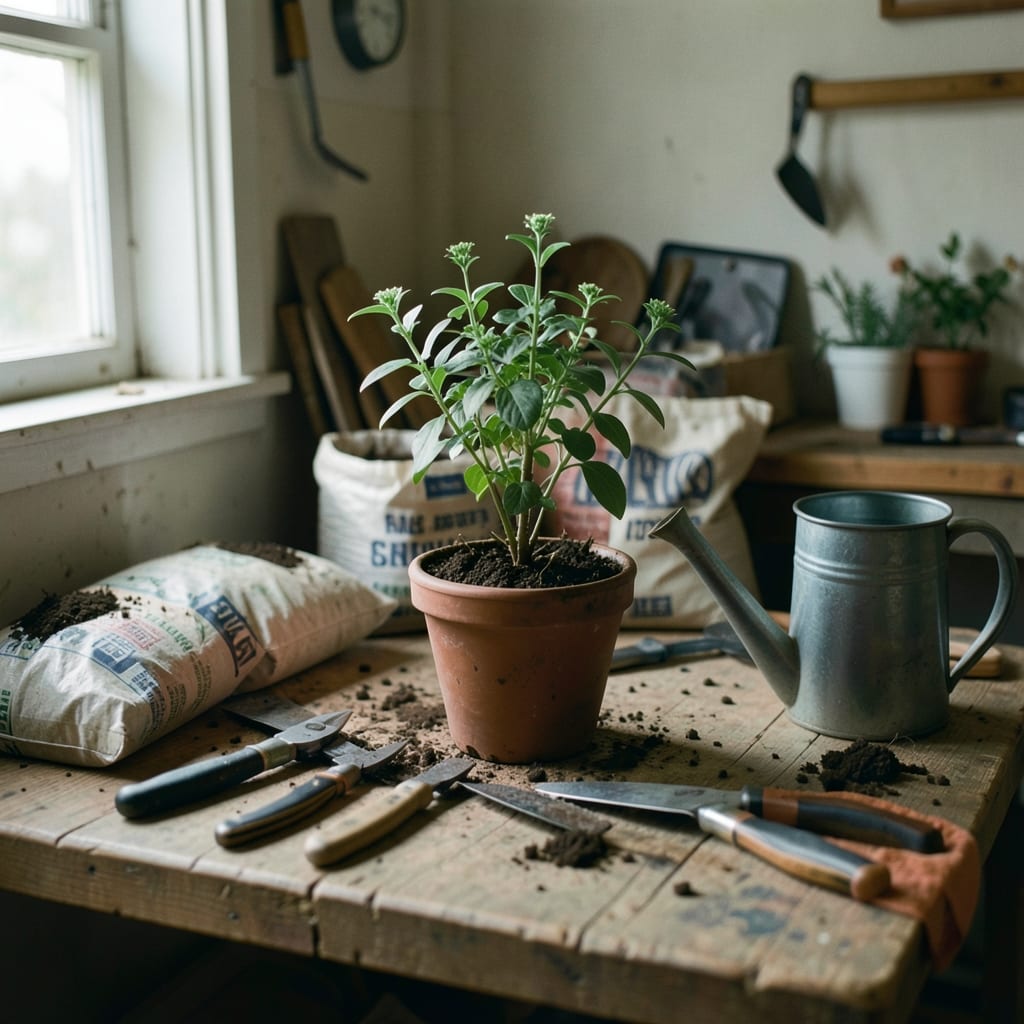
Outside of gardening, I collect old tools—rusted shears, chipped trowels—because they tell a story the new ones never will. There’s a satisfaction in fixing what’s broken, even if it takes nine tries.
Everything here is written the way that tomato plant was: with enough patience to let the soil tell its truth.
Everything here is written the way that plant was
This site doesn’t start with perfect soil or flawless conditions. It starts with a seedling that looks healthy but isn’t, a bed that seems ready but isn’t, and the slow work of figuring out why.
Every guide, every tip, and every ‘how-to’ here has been tested at least three times—sometimes nine—in real gardens with real problems.
We write down the failures first. The compost that didn’t break down, the mulch that suffocated roots, the ‘expert’ advice that ignored the climate. Then we adjust, replant, and try again. What survives isn’t the first version, but the one that learned from the mistakes.
That’s why you’ll never see a step-by-step here without a note like *‘If your soil drains like sand, skip this part.’*
Months after a page goes live, we check in with readers who’ve tried the methods—and those who haven’t. The ones who email to say *‘It didn’t work’* are the ones we listen to the most. Their gardens, like mine, aren’t textbooks.
They’re experiments, and the best advice comes from the ones that didn’t go as planned.
What that means for you
You’ll find no ‘foolproof’ methods here—only what’s worked in real dirt, under real skies, with real mistakes included. Every page is a snapshot of the process, not just the result: the soil tests, the trial runs, and the lessons learned when things went sideways.
If you’re here because you’ve lost a plant to a mystery disease or a bed to a season you didn’t account for, you’re in the right place.
What you won’t find are paywalls, ads disguised as advice, or instructions that assume you’re growing in a greenhouse in Vermont. This is for the rest of us—the people who garden in apartments, on balconies, or in backyards where the soil fights back at every turn.
Got a plant that’s stumping you? Or a tip that saved your garden when all else failed? We’d love to hear about it—and maybe add it to the next update. Send your stories to the contact page; we’re listening.
The guides are grouped by category: Advice, Aphids, Blooming, Companion Plants, Container Gardens and How To.