
Planting
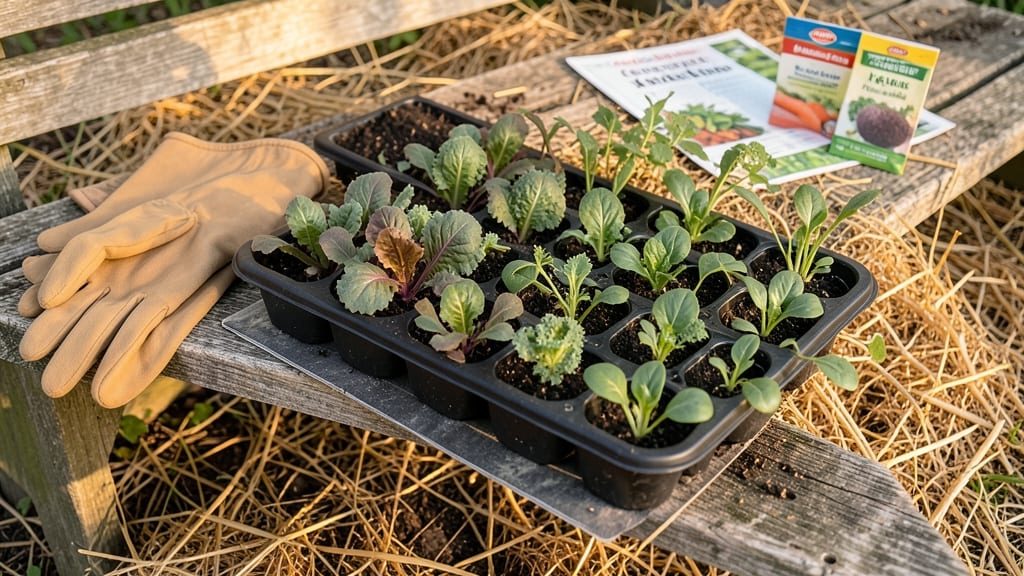
Planting your garden in Maine at the right time means the difference between a bountiful harvest and a wasted season—and the key is knowing when frost dates shift from threat to opportunity.
Maine’s unpredictable climate can make gardening a challenge—but timing your plantings perfectly ensures a thriving harvest. Avoid costly mistakes by understanding frost dates, hardiness zones, and seasonal shifts unique to the Pine Tree State.
Most General Garden Plants 🌱 thrive when planted after the last frost, typically around mid-May in USDA Zone 5b-6a, but coastal areas and high-elevation spots like the North Woods have their own rules.
In this guide, you’ll learn the exact windows for cool-season crops, warm-season staples, and perennials—plus how to adjust for Maine’s microclimates and extend your growing season with simple tricks.
Maine’s frost dates & hardiness zones: what you need to know
Maine’s hardiness zones range from USDA Zone 4b in the North Woods to Zone 6a along the coast, creating a diverse growing climate. These zones determine which plants thrive in your area and when you can safely plant them.
Understanding your specific zone helps avoid frost damage and maximizes your garden’s potential.
Southern Maine (e.g., Portland, Kittery) typically experiences its last spring frost between May 1-15, while Northern Maine (e.g., Bangor, Presque Isle) can see frost as late as June 1-15.
The first fall frost arrives earlier in the North (early September) compared to the South (mid-October). These dates shift yearly, so always check local forecasts before planting.
Knowing your hardiness zone isn’t just about frost dates—it also helps select perennial plants that survive Maine’s winters. For example, Zone 5 plants like daylilies or Russian sage thrive in central Maine, while Zone 6 varieties like hydrangeas do better near the coast.
Always verify a plant’s zone rating before purchasing.
Here’s how to use this data for your planting calendar: Cool-season crops (like kale or spinach) can go in early spring or late summer, while warm-season crops (like tomatoes or peppers) need to wait until after the last frost.
Perennials should be planted in spring or early fall to establish roots before winter.
🌱 Pro Tip: Use row covers or cold frames to extend your growing season in colder zones. These tools can push your last frost date back by 2-4 weeks, giving you more time to grow heat-loving plants.
| Region | USDA Zone | Last Frost Date | First Frost Date | Best Planting Window |
|---|---|---|---|---|
| Southern Maine (Portland, Kittery) | 6a | May 1-15 | Mid-October | April 15 - June 15 |
| Central Maine (Augusta, Waterville) | 5b | May 15-30 | Early October | May 1 - June 10 |
| Northern Maine (Bangor, Presque Isle) | 4b | June 1-15 | Early September | May 15 - June 30 |
| Coastal Areas (Bar Harbor, Rockland) | 6a | April 20 - May 10 | Late October | April 1 - June 15 |
For vegetable gardens, focus on cool-season crops like lettuce, broccoli, and carrots in early spring or late summer. Warm-season crops such as tomatoes, peppers, and beans should wait until after your region’s last frost date.
If you’re in Zone 4b, consider starting these plants indoors or using season extenders.
Flowers like marigolds, zinnias, and sunflowers are hardy and can handle Maine’s cooler temperatures, making them great choices for early spring or fall planting. Perennials, such as coneflowers or black-eyed Susans, should be planted in spring or early fall to give their roots time to establish before winter.
Always monitor local weather forecasts and adjust your planting schedule as needed. A late frost can delay your garden by weeks, so stay flexible. For example, if frost is predicted after your usual planting window, opt for cold-hardy varieties or use row covers to protect tender plants.
🌿 Remember: Maine’s microclimates vary significantly. Urban areas may be slightly warmer than rural spots, while coastal regions enjoy milder temperatures. Observe your garden’s unique conditions over time to refine your planting schedule each year.
For more precise guidance, consult the University of Maine Cooperative Extension or local gardening groups. They offer frost date averages, soil test results, and plant recommendations tailored to your specific area. With the right timing, you’ll enjoy a bountiful garden despite Maine’s unpredictable weather!
Best planting schedule for Maine gardens by season
Maine’s gardening season varies dramatically from the coastal regions to the North Woods, where frost dates can shift by weeks. Coastal areas like Portland often enjoy 2-3 extra frost-free weeks compared to high-elevation spots like Bangor or Presque Isle.
Planning ahead means aligning your cool-season crops with early springs and warm-season plants with summer’s brief growing window.
For cool-season crops like kale, spinach, and broccoli, start seeds indoors in March or direct-sow in April as soon as soil is workable (around 50°F).
Meanwhile, warm-season staples such as tomatoes, peppers, and beans need to wait until after the last frost date, typically mid-to-late May in most of Maine.
- March-April: Start cool-season crops indoors (kale, spinach, lettuce). Plant hardy perennials like asparagus and rhubarb in well-drained soil.
- May (after frost): Direct-sow peas, radishes, and early potatoes. Transplant cool-season starts outdoors.
- June: Plant warm-season crops (tomatoes, peppers, cucumbers) and herbs like basil and cilantro. Mulch to retain moisture.
- July-August: Succession plant beans, carrots, and lettuce for fall harvests. Divide perennials like hostas and daylilies.
- September: Plant garlic and fall broccoli. Cover tender perennials with mulch to protect from early frosts.
In high-elevation areas like the North Woods, adjust your schedule by 2-3 weeks later than coastal regions. For example, if Portland’s last frost is May 15, Presque Isle’s might be June 1.
Use row covers or cold frames to extend early and late seasons for heat-loving plants.
Perennials like lavender, roses, and berry bushes thrive when planted in early spring or early fall, giving roots time to establish before winter.
Avoid planting woody shrubs in summer, as heat stress can stunt growth. For bulbs, plant tulips and daffodils in fall (September-October) for spring blooms.
Pro tip: Use UMaine Extension’s frost date maps to refine your schedule. Coastal gardens can push late-season crops like kale into October, while inland areas may need to harvest by mid-September to avoid frost damage.
Always keep an eye on weather forecasts—Maine’s unpredictable shifts can turn a sunny June day into a 50°F surprise overnight.
With this schedule, you’ll maximize your harvest potential while working with Maine’s short but productive growing season. Happy planting! 🌿