
Fertilization
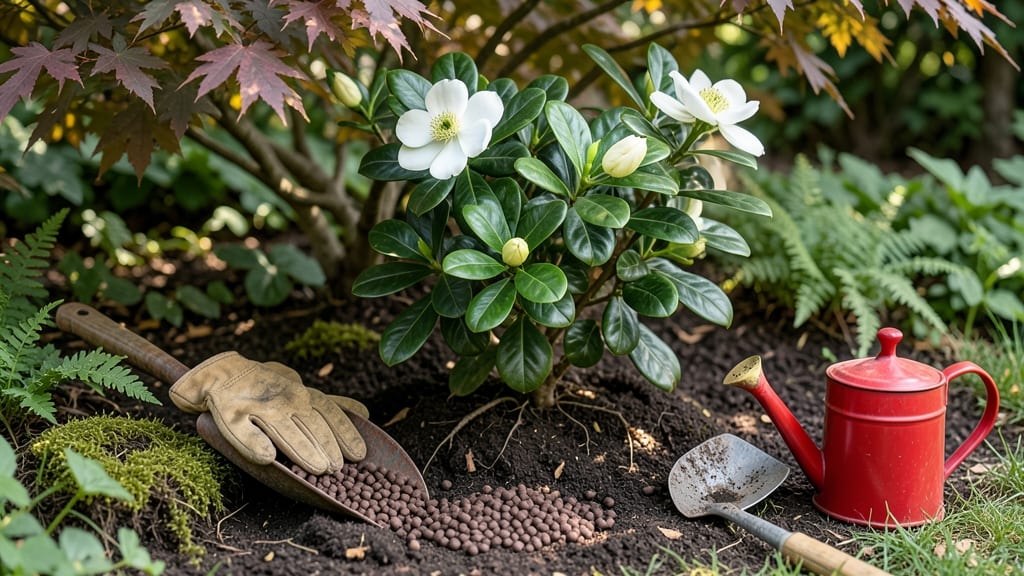
Fertilizing gardenias in Georgia at the right time is the secret to those fragrant, snow-white blooms that make your yard the envy of the neighborhood.
Picture this: You’ve just planted your 🌸 gardenia, and you’re eager to see it thrive—but you’re not sure if that first feeding should happen in March or May. Get it wrong, and you’ll end up with weak stems, sparse flowers, or even worse, a plant that refuses to bloom.
Georgia’s heat and humidity mean traditional schedules don’t always apply, and that’s where most gardeners stumble.
Here’s the good news: With the right timing, your gardenia will reward you with bold growth and show-stopping flowers year after year.
We’re talking about a spring feeding that kickstarts blooms, a summer touch-up to keep them coming, and a smart fall strategy to prep for winter dormancy—all tailored to Georgia’s 7b-8b climate.
In this guide, I’ll walk you through the exact months to fertilize, whether to go organic or synthetic, and how to spot the signs of over- or under-feeding. No guesswork—just science-backed steps to keep your gardenia happy and blooming like a pro.

Best times to fertilize gardenias in Georgia’s climate zones
Georgia’s humid subtropical climate (Zones 7b-8a) creates unique challenges for gardenia fertilization. The high heat and heavy rainfall can wash away nutrients, while high humidity affects how quickly plants absorb fertilizers.
Timing your feedings correctly ensures your gardenias thrive without stress—especially during their peak blooming season from late spring to summer.
Gardenias are acid-loving plants that need balanced nutrition to produce those fragrant white blooms. In Georgia, the ideal fertilization window spans from early spring through mid-summer, with adjustments for new plantings versus mature shrubs.
Missing this window can lead to weak growth or even flower failure, so let’s break down the best times to feed your gardenias based on Georgia’s climate zones.
🌱 Pro Tip: Always fertilize in the morning hours to prevent nutrient burn from Georgia’s intense afternoon sun. Water thoroughly before and after applying fertilizer to help the soil absorb nutrients evenly.
For new gardenia plantings in Georgia, the first year is critical. Young shrubs need gentle nutrition to establish roots before heavy blooming. Apply a light feeding 6 weeks after transplanting (typically in May or early June) using a slow-release granular fertilizer.
This timing aligns with Georgia’s warmer soil temperatures, which improve nutrient uptake without overwhelming tender roots.
Established gardenias, on the other hand, can handle two full-strength feedings in spring (March and May) followed by light summer maintenance.
The key is avoiding fertilization in late summer or fall, as this can stimulate late-season growth that won’t harden off before Georgia’s first frost (typically around mid-November). This late growth is more susceptible to cold damage and can weaken the plant.
Georgia’s coastal regions (Zone 8a) have slightly longer growing seasons, so you might extend summer feedings into early August. However, inland areas (Zone 7b) should stop fertilizing by July to prevent tender new growth.
Always monitor your gardenia’s foliage color: dark green leaves indicate healthy nutrient levels, while yellowing leaves may signal over-fertilization or iron deficiency.
🌿 Clay Soil Tip: If your Georgia garden has clay-heavy soil, mix in organic matter (like compost or pine bark) before fertilizing. This improves drainage and helps prevent root rot, which is common in Georgia’s humid climate.
Test your soil’s pH level annually—gardenias thrive in acidic soil (pH 5.0-6.0).
One of the biggest mistakes Georgia gardeners make is over-fertilizing in summer when the heat slows nutrient absorption. Instead, opt for
How to choose the right fertilizer for Georgia gardenias (and when to apply it)
Georgia gardenias thrive when fed with the right fertilizer at the right time. These acid-loving shrubs need low-pH, nutrient-rich feed to produce their signature fragrant blooms. The wrong fertilizer can cause nutrient burn or weak growth, especially in Georgia’s hot, humid summers.
Let’s break down the best options and timing for your gardenias.
Start with a slow-release acid fertilizer like Osmocote or a liquid iron supplement (gardenias love iron!). Organic choices like fish emulsion or cottonseed meal work too, but synthetic blends often deliver faster results. Always check the NPK ratio—look for 8-4-8 or 10-5-10 to match gardenias’ needs.
🌸 When to Fertilize Gardenias in Georgia
Apply fertilizer in early morning to avoid leaf burn from Georgia’s intense afternoon sun. Water your gardenias deeply before and after applying feed to help nutrients absorb. For newly planted gardenias, wait 6-8 weeks before fertilizing to avoid shocking the roots.
Watch for signs of over-fertilization, like yellow leaves or brown tips. If this happens, flush the soil with water for 10 minutes to dilute excess salts.
Under-fertilized gardenias show weak stems or sparse blooms. Adjust your schedule to every 6-8 weeks during the growing season (spring to summer).
Georgia’s clay-heavy soils can lock out nutrients, so mix compost or peat moss into the soil annually. For container gardenias, use a half-strength liquid fertilizer every 4 weeks to prevent salt buildup. Always follow package rates—more isn’t better with gardenias!
With the right fertilizer and timing, your Georgia gardenias will reward you with lush foliage and fragrant blooms all season long. Start now, and enjoy those sweet-scented flowers from spring through summer! 🌷