
Fertilization
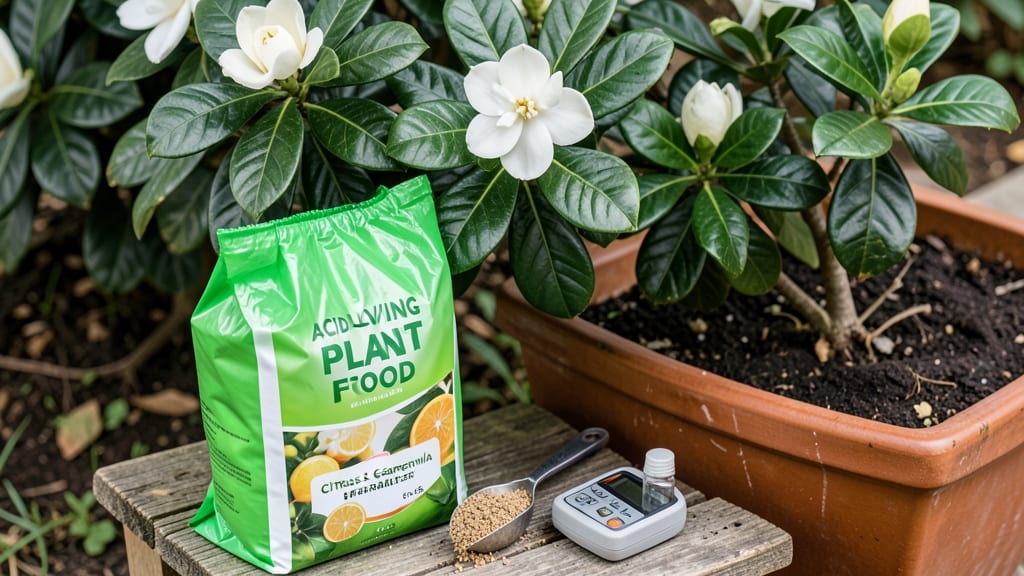
Using acid fertilizer for gardenias is the game-changer that turns yellowing leaves into fragrant, show-stopping blooms 🌸—but only if you pick the right formula and apply it correctly.
Picture this: your gardenias are planted in 6a soil with a pH of 7.0, and no matter how much you water, they refuse to bloom.
The problem isn’t your green thumb—it’s the pH. Gardenias demand acidity in the 5.0–6.5 range, and without it, they’ll fight you every step of the way.
In this guide, I’ll walk you through the best types of acid fertilizers (organic vs. synthetic), how often to feed them without burning roots, and the 3 key signs your gardenias are screaming for more acid. Spoiler: it’s not just about the fertilizer—it’s about the timing, too.
Ready to transform your gardenias from lackluster to lush? Let’s get started with the step-by-step feeding schedule that actually works.

How to choose the best acid fertilizer for gardenias (types & key ingredients)
Gardenias are divas when it comes to soil—they demand acidic conditions (4.5–5.5 pH) to thrive, and without the right acid fertilizer, their stunning blooms will fade faster than a summer sunset.
The challenge? Too much acidity can burn roots, while too little leaves your plant starving for nutrients. Let’s break down how to pick the perfect fertilizer to keep your gardenias happy and blooming.
Not all acid fertilizers are created equal. Some are organic powerhouses packed with slow-release nutrients, while others are synthetic speedsters designed for quick fixes. Your choice depends on your gardening style, budget, and how fast you want to see results.
For example, peat moss and sulfur-based fertilizers are classic organic options, while liquid acidifying fertilizers like Miracle-Gro Azalea/Camellia blend deliver fast results. Let’s compare the best options.
When reading fertilizer labels, focus on three critical numbers: the NPK ratio (Nitrogen-Phosphorus-Potassium). For gardenias, look for a low nitrogen (first number) and balanced phosphorus (second number), like an 8-3-9 ratio.
High nitrogen (e.g., 10-5-5) promotes leafy growth but starves blooms. Always check for sulfur or iron content—these are key for acid-loving plants.
One of the biggest mistakes gardeners make is over-acidifying soil. A pH below 4.5 can damage roots and prevent nutrient uptake. Test your soil every 3–4 months using a digital pH meter or DIY vinegar/baking soda test.
If your soil is already acidic, reduce fertilizer strength by half and monitor your gardenias for signs of stress, like yellowing leaves or brown tips.
For organic gardeners, peat moss is a go-to because it’s slow-acting and improves soil structure. Mix 2–3 inches into the topsoil in early spring to lower pH gradually.
If you prefer a fast fix, iron sulfate or sulfur granules work quickly but require careful dosing—follow the label instructions to avoid root burn.
Pro tip: Pair your acid fertilizer with a slow-release organic matter, like composted pine needles or coffee grounds. These add natural acidity over time while improving soil health.
I’ve seen gardenias in my own yard go from sparse blooms to full, fragrant clusters within just two months of switching to a peat moss + sulfur blend.
Seasonal timing matters too. In spring and early summer, when gardenias are actively growing, feed every 6–8 weeks. Skip fertilizing in fall and winter—your plant is resting, and extra acidity can do more harm than good.
Always water thoroughly before and after applying fertilizer to prevent root damage
Step-by-step acid fertilizer schedule for gardenias (monthly feeding plan)
Gardenias reward precise care with stunning blooms, but their acidic soil needs (4.5–5.5 pH) often get overlooked. A monthly feeding plan tailored to your plant’s age and season ensures vibrant growth without over-acidifying the soil.
Start with a spring kickstart and taper off in fall—this schedule keeps roots healthy while fueling blooms.
Your gardenia’s age dictates dosage: young plants (1–2 years) need half the fertilizer of mature shrubs (3+ years). For example, a 2-year-old gets ½ teaspoon of acid fertilizer per application, while a 5-year-old thrives on 1–2 teaspoons per foot of plant height.
Always water thoroughly before and after applying to prevent root burn.
⚠️ CRITICAL TIP: Never fertilize when gardenias are stressed (hot/dry periods) or dormant (winter). The wrong timing can cause leaf drop or stunted growth.
🌸 Monthly Acid Fertilizer Schedule
- 🌱 Spring (April–May): Light feed with iron sulfate or citrus-based fertilizer (½–1 tsp per plant). Test soil pH—aim for 5.0–5.5.
- ☀️ Summer (June–August): Feed every 6–8 weeks with slow-release acid fertilizer (e.g., 6-6-6 NPK). Water deeply after application.
- 🍂 Fall (September–October): No fertilizer. Focus on mulching with pine needles or peat moss to maintain acidity naturally.
- ❄️ Winter (November–March): Dormant period. Skip fertilizing; prune only if needed.
💡 DIY pH Test: Mix 1 tbsp vinegar with 1 cup soil. Bubbles = too alkaline; no reaction = acidic.
For potted gardenias, flush the soil with water monthly to prevent salt buildup from fertilizers. Use a rainwater or distilled water rinse for best results. If your plant’s leaves turn yellow between veins, it’s a sign of iron deficiency—switch to a chelated iron supplement for 2–3 weeks.
Adjust your schedule based on bloom response: fewer flowers? Increase summer feedings slightly. Too many leaves, few blooms? Reduce nitrogen (first number in NPK) by half. Consistency is key—gardenias thrive on predictable acidity and moderate feeding.
With this plan, your gardenias will reward you with glossy foliage and fragrant blooms from spring to fall. The secret? Timing, testing, and patience—just like pruning, it’s about working with nature, not against it. 🌿