
Blooming
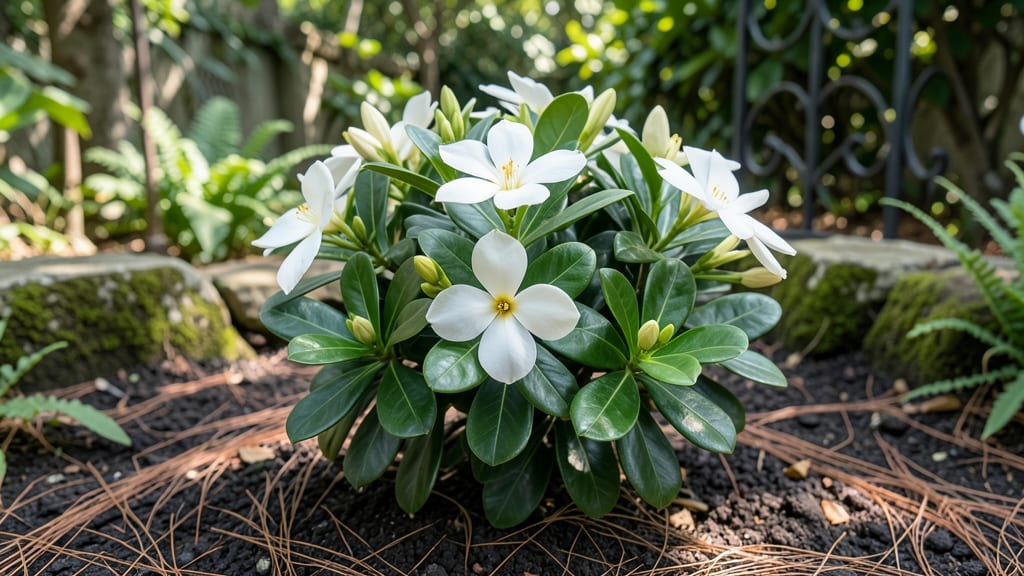
Gardenias flower when the days warm into late spring and summer 🌸, but the exact timing depends on your climate zone and how you care for them.
If you’ve ever waited impatiently for your gardenia bushes to burst into fragrant blooms, you’re not alone—timing is everything when it comes to these prized plants.
In Zone 6a, where most gardeners start, blooms typically arrive in June or July, but a few weeks earlier or later can make all the difference. The key?
Understanding how sunlight, soil, and even pruning tricks can nudge those creamy-white flowers into season a little sooner—or keep them coming longer.
Most gardenias need 65–85°F to trigger blooms, which is why they often wait until late spring in cooler zones. But with the right care—like acidic soil, morning sun, and a light pruning after flowering—you can coax them into opening their buds a little earlier.
And if you’re in a warmer zone, like Zone 9 or 10, they might start as early as May, stretching well into September.
Below, I’ll break down the exact months for your zone, the 5 triggers that guarantee blooms, and how to adjust timing if your gardenias are playing hard to bloom. No more guessing—just fragrant, reliable flowers when you want them.
Gardenia flowering months by USDA climate zones: a precise timeline
Gardenias are famous for their intoxicating fragrance and glossy blooms, but their flowering timeline varies dramatically depending on your USDA hardiness zone. In Zone 7, you might see buds opening as early as late May, while gardeners in Zone 11 can enjoy year-round blooms with proper care.
Understanding these patterns helps you set realistic expectations and adjust care routines accordingly.
The key to predicting gardenia blooms lies in temperature thresholds and daylight hours. Gardenias thrive in warm climates and typically need consistent temperatures above 65°F to trigger bud formation. In cooler zones, blooms often align with summer's peak warmth, while tropical zones may experience multiple flowering cycles annually.
Regional variations also play a role—Gulf Coast gardenias in Zone 9-11 may bloom as early as March, while Pacific Northwest gardeners in Zone 8 might not see flowers until July. Even within the same zone, microclimates (like urban heat islands) can shift bloom times by 2-4 weeks.
Early bloomers like 'Kleim's Hardy' can push buds in Zone 7 by June, while late varieties like 'Radicans' might not peak until September in Zone 10. The table below breaks down these patterns by zone, including regional nuances for Gulf Coast vs. Pacific Northwest gardeners.
In Zone 7, gardenias typically bloom from June to August, with early varieties like 'Kleim's Hardy' pushing buds as soon as late May when temperatures stabilize above 70°F.
This zone's shorter growing season means gardeners must protect plants from early fall frosts, which can damage buds before they open.
Gardeners in Zone 8 enjoy a longer bloom window from May to September, but regional differences are stark. In the Pacific Northwest, cooler summers delay blooms until July, while the Gulf Coast may see flowers as early as April.
Varieties like 'Fortuniana' thrive in these warmer microclimates, often producing two bloom cycles per year.
The Gulf Coast (Zones 9-11) offers the most extended flowering seasons, with some gardenias blooming year-round. In Zone 9, expect flowers from March to November, while Zone 10 gardeners can enjoy blooms from February to December. The key here is managing summer heat stress
5 Key factors that trigger gardenia blooms (and how to control them)
Gardenias are famously finicky about blooming, but with the right conditions, you can coax those creamy-white flowers to appear reliably. The secret lies in understanding their environmental triggers—from sunlight to soil pH—and adjusting them precisely.
I’ve learned that even a 5°F temperature shift or a slight pH imbalance can delay blooms for months. Let’s break down the 5 critical factors that control when (and if) your gardenias flower.
First, gardenias thrive in partial shade, but they need morning sunlight to kickstart their blooming cycle. Too much direct sun (especially afternoon rays) stresses them, while too little shade stunts flower production.
In my Zone 8 garden, I’ve found that 4–6 hours of filtered light per day—like an east-facing window or dappled shade—triggers the most abundant blooms. If your gardenias aren’t flowering, check their light exposure first.
- 1. Sunlight: 4–6 hours of morning sun + afternoon shade. Avoid harsh south/west exposure in hot climates.
- 2. Temperature: Ideal 65–85°F range. Below 55°F or above 90°F delays blooms.
- 3. Pruning: Prune right after flowering (late summer) to encourage next year’s buds.
- 4. Soil pH: Acidic soil (5.0–6.0). Test and amend with sulfur or peat moss if needed.
- 5. Watering: Deep soaks (1–1.5 gallons) every 3–5 days. Never let soil dry out completely.
Temperature is another dealbreaker for gardenia blooms. These tropical plants refuse to flower if temperatures dip below 55°F for more than a few days. In cooler zones (like Zone 7), I’ve had to extend the growing season with row covers or move potted gardenias indoors before frost.
Conversely, temperatures above 90°F can cause buds to drop. My trick? Mist the foliage on hot afternoons to simulate humidity and keep stress low.
Pruning timing is often overlooked, but it’s non-negotiable for future blooms. I always prune my gardenias right after they finish flowering—usually in late summer (August–September). This encourages new growth that will bear next year’s buds.
Avoid heavy pruning in spring or fall, as it removes potential flower sites. For container gardenias, a light trim to shape the plant is fine, but never cut into old wood.
Soil pH is where most gardeners go wrong. Gardenias are acid-loving plants and demand a pH of 5.0–6.0. If your soil is alkaline (common in many regions), blooms will be sparse or nonexistent.
I test my soil every 2 years and amend with elemental sulfur or pine bark fines to keep the pH in check. A quick fix? Top-dress with cottonseed meal or azalea fertilizer, which slowly acidifies the soil. Pro tip: Never use lime—it’s the enemy of gardenia blooms.
Watering might seem simple, but gardenias are particular about moisture. They need consistent, deep watering—about 1–1.5 gallons per plant every 3–5 days—but they hate soggy roots. I water mine early in the morning to reduce evaporation and fungal risks.
In containers, gardenias dry out faster, so I check soil moisture daily in summer. A 3-inch layer of mulch helps retain moisture and keeps roots cool, which is crucial for bud formation.
Finally, don’t overlook winter care, which can make or break next year’s blooms. In Zones 8–10, I protect my gardenias with burlap wraps and mulch to prevent frost damage. In colder zones, move potted gardenias to a garage or unheated shed where temps stay above 40°F.
Before winter, I reduce watering but keep the soil slightly moist. Come spring, I resume feeding in March to jumpstart growth and ensure a bountiful bloom season.