
Fertilization
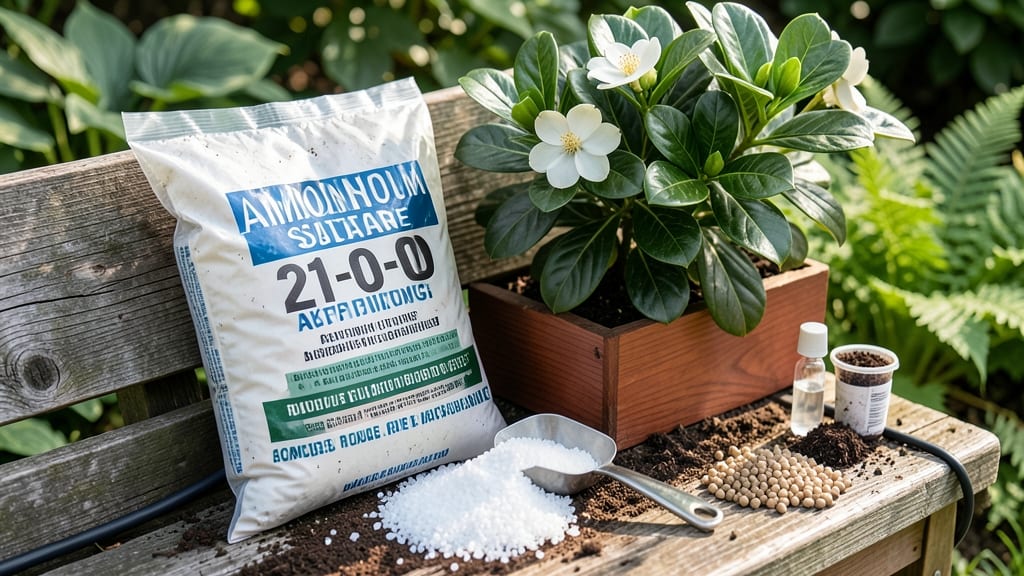
Feeding gardenias 🌸 with the right acidic nitrogen fertilizer is the game-changer for those fragrant, glossy blooms you’ve been dreaming of.
Struggling to keep your gardenias blooming vibrantly year after year? The secret lies in feeding them the right acidic nitrogen fertilizer—but timing and pH balance matter just as much as the fertilizer itself.
Most gardeners overlook the fact that gardenias thrive in soil with a pH of 5.0–6.0, which is why generic fertilizers leave them looking lackluster. We’ll break down how to pick the perfect acidic nitrogen blend, apply it correctly, and spot the signs when you’ve gone wrong.
By the end, you’ll know exactly how to schedule feedings for maximum blooms, whether you’re a beginner or a seasoned gardener fine-tuning your routine.
How to choose the right acidic nitrogen fertilizer for gardenias
Gardenias thrive when their soil stays acidic (pH 5.0–6.0) and rich in available nitrogen. But not all nitrogen fertilizers work equally well—some raise soil pH, while others can burn delicate roots. The key is selecting a fertilizer specifically formulated for acid-loving plants like gardenias, camellias, and azaleas.
Most gardeners make the mistake of using standard granular fertilizers (like 10-10-10) or urea-based products, which can increase soil pH over time. Gardenias need slow-release acidic nitrogen that maintains their preferred pH range without causing root burn or leaf scorch. Let’s break down your options.
📊 COMPARISON TABLE: Acidic Nitrogen Fertilizers for Gardenias
| Type | Nitrogen Source | pH Effect | Best For | Application Rate |
|---|---|---|---|---|
| Synthetic (Acid-Formulating) | Ammonium Sulfate (21-0-0) | Lowers pH slightly | Fast-acting nitrogen for new growth | 1 tsp per gallon of water (monthly) |
| Synthetic (Slow-Release) | Sulfur-Coated Urea (34-0-0) | Neutral (acidic when broken down) | Long-term feeding (6-8 weeks) | 1 tbsp per plant every 2 months |
| Organic (Natural) | Blood Meal (12-0-0) | Slightly acidic | Quick nitrogen boost for foliage | 1 tbsp per sq ft (spring only) |
| Organic (Slow-Release) | Composted Pine Needles | Lowers pH over time | Soil amendment + slow nitrogen | Mix 2 inches into soil annually |
| Specialty (Pre-Mixed) | Azalea/Camellia Fertilizer (16-4-8) | Balanced acidic formula | All-purpose gardenia care | 1 tbsp per plant every 6 weeks |
For synthetic options, I recommend starting with ammonium sulfate (21-0-0) or a pre-mixed azalea fertilizer. These provide quick nitrogen uptake while gently acidifying the soil. If you prefer organic methods, blood meal or composted pine needles are excellent choices—but they require more frequent applications.
One critical mistake I see is using urea-based fertilizers (like 46-0-0). While they’re cheap, they raise soil pH as they break down, which can stress gardenias and reduce blooms. Always check the label for "acid-forming" or "for acid-loving plants" language.
If your gardenias show yellowing leaves or stunted growth, they may need a pH test first. Use a digital soil pH meter (like the Bluelab Soil pH Tester) to confirm your soil is between 5.0–6.0.
If it’s higher, mix in elemental sulfur (1/4 cup per plant) before applying nitrogen.
For container gardenias, I switch to a liquid acidic fertilizer (like Miracle-Gro Azalea/Camellia) every 4 weeks. The key is diluting it to half-strength to avoid root burn in small pots. Always water thoroughly after applying any fertilizer to rinse excess salts from the root zone.
Pro tip: Pair your nitrogen fertilizer with a mulch of pine bark or peat moss. This locks in moisture, slowly acidifies the soil, and reduces weeds—all while keeping roots cool in hot climates. Refresh the mulch every 3–4 months for best results.
Remember, gardenias are heavy feeders but sensitive to over-fertilization. If you notice brown leaf edges or white crusts on soil, flush the roots with water for 10 minutes to remove excess salts. Less is often more with these delicate beauties.
Step-by-step pH-balanced feeding schedule for maximum blooms
Gardenias thrive when their soil pH stays between 5.0 and 6.0, but achieving this balance requires more than just acidic fertilizer. The key is timing, nitrogen ratios, and acidifying additives like sulfur or peat moss.
Too much nitrogen without acidifiers can burn roots, while too little acid can stunt blooms. Let’s break down a seasonal feeding schedule that keeps your gardenias lush and fragrant year-round.
Start by testing your soil’s pH with a home testing kit or send a sample to your local extension office. Gardenias need a slightly acidic environment to absorb nitrogen efficiently.
If your soil is too alkaline, mix in elemental sulfur (1 lb per 100 sq ft) 2–3 months before fertilizing to adjust the pH gradually. For potted gardenias, use peat moss or pine bark fines in your potting mix to maintain acidity.
🌱 Step-by-Step Acidic Nitrogen Feeding Schedule
- Early Spring (March) – Apply 1 tbsp acidic nitrogen fertilizer (16-4-8 NPK) per plant or per square foot. Mix with 1 tsp elemental sulfur to boost acidity. Water deeply to activate nutrients.
- Late Spring (May) – Repeat feeding with half the sulfur dose (½ tsp per plant) to prevent over-acidification. Focus on new growth and emerging buds.
- Summer (July) – Switch to a low-nitrogen, high-phosphorus fertilizer (e.g., 10-20-10) to support blooming. Add composted pine needles to the soil surface for slow-release acidity.
- Early Fall (September) – Apply a light feeding (¼ strength) of acidic nitrogen to prepare for winter. Avoid fertilizing if your gardenia is indoors and dormant.
- Winter (December-February) – Skip fertilizer entirely unless growing indoors under lights. Instead, water sparingly and monitor soil moisture.
💡 Pro Tip: Always water before and after fertilizing to prevent root burn and ensure even nutrient distribution.
Watch for signs of over-fertilization, like crispy leaf edges or yellowing between veins. These indicate too much nitrogen or salt buildup. If you see stunted growth or pale leaves, your gardenia may need more nitrogen but still requires acidic conditions.
In this case, switch to an organic option like fish emulsion mixed with coffee grounds (½ cup per plant) for a gentle boost.
For container gardenias, flush the soil with water every 3–4 months to remove excess salts. Use rainwater or distilled water if your tap water is alkaline. Mulch with wood chips or oak leaves to slowly acidify the soil and retain moisture.
This method mimics their natural, humid habitat and encourages continuous blooming throughout the growing season.
Remember, gardenias reward patience. Consistency in pH balance, nitrogen levels, and watering will transform your shrubs into fragrant, bloom-heavy stars. Start with this schedule, adjust based on your plant’s response, and soon you’ll have gardenias that outshine the competition—literally! 🌸