
Tools
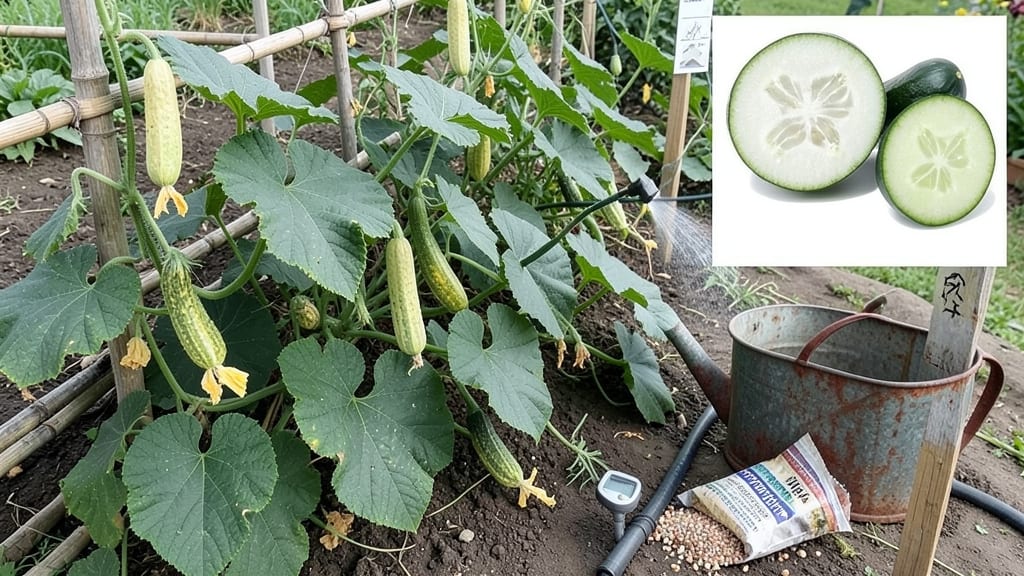
Your garden cucumbers taste bitter because they’re fighting stress—whether from heat, drought, or over-maturity—and that’s a flavor dealbreaker 🥒.
Picture this: You’ve spent weeks tending to your vines, only to bite into a cucumber that tastes like rubber. That sharp, unpleasant bite isn’t just a quirk of nature—it’s a sign your plants are struggling, and the good news is, you can fix it fast.
Bitterness often sneaks in when cucumbers mature too long on the vine, especially in hot weather. But it’s also tied to inconsistent watering, poor soil nutrition, or even the wrong variety for your climate. The key is catching these issues early and adjusting your care routine before your next harvest.
In this guide, I’ll walk you through three fast fixes—harvesting at the perfect time, tweaking your watering schedule, and optimizing soil health—to turn bitter cucumbers into sweet, crisp rewards. Let’s get your garden back on track.
3 Common reasons your garden cucumbers taste bitter (and how to fix them)
There's nothing worse than biting into a cucumber you grew yourself, only to be hit with an unexpected bitter taste. Even with proper care, your homegrown cucumbers can develop harsh flavors due to three key factors: over-maturation, environmental stress, and nutrient imbalances.
Let's explore these common culprits and how to fix them before your next harvest.
First, let's address the most frequent offender: over-mature cucumbers. When cucumbers stay on the vine too long, they begin producing cucurbitacin, a natural compound that creates bitterness. This often happens when gardeners miss the ideal harvest window or when plants produce more cucumbers than they can handle.
The good news is this is easily preventable with regular checks.
Environmental stress is another major contributor to bitter cucumbers. Extreme heat, inconsistent watering, or poor soil conditions can trigger the plant's defense mechanisms, leading to that unwanted flavor. For example, drought stress causes cucumbers to concentrate their defenses, while sudden temperature swings can disrupt normal growth patterns.
Finally, nutrient imbalances in the soil play a surprising role. Too much nitrogen can lead to leafy growth at the expense of fruit sweetness, while deficiencies in potassium or magnesium create flavor imbalances.
Even the pH level of your soil can affect how well your plants absorb essential nutrients, directly impacting taste.
Why Are My Garden Cucumbers Bitter?
- 1. Over-Maturation: Cucumbers left on vine too long produce cucurbitacin (bitter compound). Harvest when 6-8 inches long with deep green skin.
- 2. Heat Stress: Temperatures above 90°F (32°C) trigger bitterness. Provide afternoon shade or use lightweight row covers.
- 3. Watering Issues: Inconsistent moisture causes flavor imbalances. Water deeply 1-2 times daily during peak summer months.
- 4. Nutrient Deficiencies: Lack of potassium or magnesium creates bitter flavors. Test soil and amend with balanced fertilizer (10-10-10).
- 5. Genetic Factors: Some varieties (like long English cucumbers) are more prone to bitterness. Choose slicing types like 'Straight Eight' for sweeter results.
🌱 Quick Fix: Harvest daily during peak season and mulch to maintain even moisture
Let's start with the simplest solution: harvesting at the right time. I can't stress enough how critical this is. The ideal time to pick cucumbers is when they're 6-8 inches long with firm, deep green skin.
At this stage, they're packed with sweetness and crunch. Use a sharp knife or pruners to avoid damaging the vine, and check your plants every 2-3 days during peak production.
For those dealing with heat-stressed plants, consider providing afternoon shade during the hottest months. You can use shade cloth (30-50% coverage) or even temporary row covers. This simple adjustment can make a world of difference in flavor.
I've found that drip irrigation placed near the base of plants helps maintain consistent moisture without wetting the leaves, reducing the risk of both bitterness and disease.
Soil health plays a crucial role in preventing bitter cucumbers. Before planting, test your soil's pH and nutrient levels. Cucumbers prefer a pH between 6.0 and 6.8. If your soil is too acidic or alkaline, amend it with lime or sulfur as needed.
Adding compost or well-rotted manure before planting provides essential nutrients while improving soil structure for better root development.
One often-overlooked factor is companion planting. Certain plants can actually improve cucumber flavor. Try planting bush beans, radishes, or nasturtiums nearby. These companions help deter pests, improve soil health, and may even enhance flavor through natural interactions in the soil.
I've noticed a significant improvement in my cucumbers' sweetness after adding these companions to my garden beds.
If you're dealing with established plants that are already producing bitter cucumbers, don't despair. You can still take steps to improve future harvests. First, prune any overripe or bitter cucumbers from the vine to redirect the plant's energy.
Then, focus on consistent care—watering deeply in the morning and providing afternoon shade if needed. Within a few weeks, you should see an improvement in flavor as new cucumbers develop under better conditions.
Remember that some bitterness can be genetic, especially in heirloom varieties or long cucumbers. If you've tried all the fixes above and still struggle, consider switching to slicing cucumber varieties known for their sweetness, like 'Sweet Success' or 'Marketmore 76'.
These varieties are bred specifically to be less bitter and more flavorful for fresh eating.
Finally, keep detailed records of your gardening practices. Note when you planted, how often you watered, any shade you provided, and when you harvested. This information will help you identify patterns and make adjustments for next season.
Over time, you'll develop a personalized approach that consistently produces sweet, flavorful cucumbers in your garden.
How to harvest cucumbers at the perfect sweetness stage (with visual cues)
Timing your cucumber harvest is the secret to avoiding that dreaded bitterness. Most gardeners miss the sweet spot because they focus on size alone, but flavor depends on color, texture, and stem cues.
I’ve learned the hard way—overripe cucumbers turn bitter, while underripe ones lack sweetness. The key is checking your plants daily during peak production (June-August).
Start by examining the stem end—this is your first clue. For slicing cucumbers, look for a yellowing stem (not green) and a slight softness when pressed. The skin should also be deep green and uniform, not pale or mottled.
These visual cues mean the cucumber has reached peak sweetness. Ignoring them leads to over-mature fruit, which develops bitter compounds.
| Harvest Cue | What to Look For | Action |
|---|---|---|
| Size | 6-8 inches long | Harvest immediately |
| Stem Color | Yellowing (slicing types) or green (pickling) | Pick within 24 hours |
| Texture | Slight give when pressed | Harvest for best flavor |
| Stem Snap Test | Snaps easily when bent | Ready to harvest |
Pruning is another trick I swear by to prevent over-maturation. Remove any yellowing or diseased leaves near the fruit to improve air circulation and reduce stress. Also, pinch off side shoots that form in leaf axils—these compete with your cucumbers for energy.
Focus the plant’s resources on producing fewer, sweeter fruits rather than a large quantity of bitter ones.
If you’re growing bush cucumbers, harvest even more frequently—every 2-3 days—since they produce fruit faster than vining types. For trellised varieties, check the bottom of the plant first, as cucumbers ripen from the bottom up.
Pro tip: Use a sharp pair of pruners and cut the stem 1 inch above the fruit to avoid damaging the plant.
Never let cucumbers sit on the vine past their prime, especially in hot weather. Temperatures above 85°F (29°C) accelerate bitterness development. If you’re away for a few days, harvest everything you can and store extras in the fridge.
The earlier you harvest, the sweeter and crunchier your cucumbers will be—guaranteed to impress your family and neighbors!
Remember, the perfect cucumber is a balance of size, color, and texture. Master these cues, and you’ll never taste bitterness again. Happy harvesting! 🌱🥒