
Fertilization
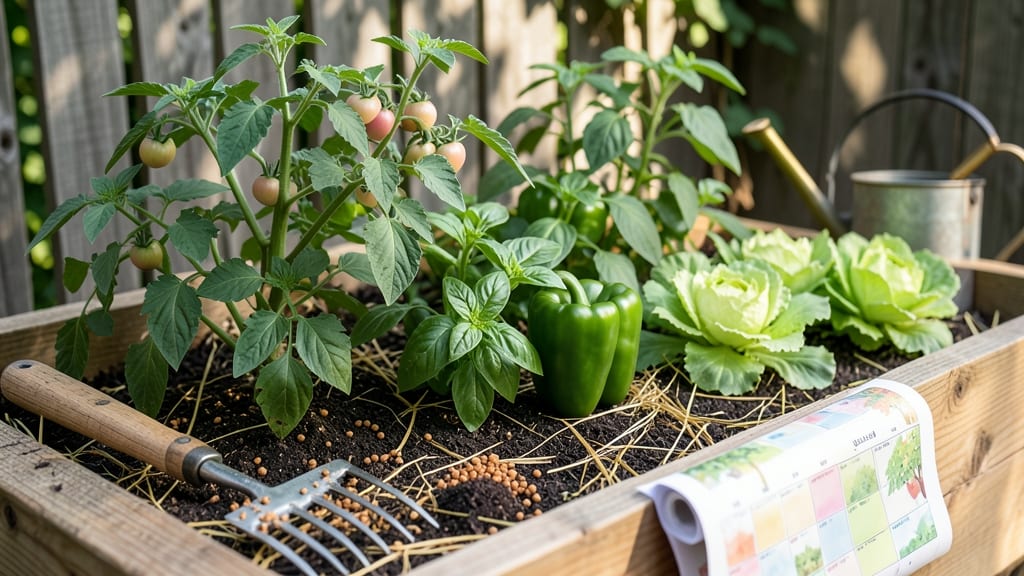
You should fertilize your garden at the right times to avoid wasting money or harming your plants — and the best schedule depends on whether you’re planting in spring, boosting summer growth, or prepping perennials for next year.
Picture this: You’ve just planted your vegetable seedlings, and by mid-July, they’re wilting despite your best watering efforts. The issue? You missed the pre-planting feed and the mid-season boost that could’ve doubled your harvest. Timing isn’t just about when—it’s about how your soil, plants, and climate work together.
Spring is the prime window for most gardens, especially for root crops and leafy greens that need a nitrogen kick to get started.
But flowers and fruiting plants often thrive with a phosphorus-rich feed later in the season, while perennials might need just a light touch in early spring and fall. Overdo it, and you’ll burn roots; skip it, and your plants will struggle to reach their potential.
In this guide, I’ll break down the exact moments to fertilize—from pre-planting in cool soil to mid-summer top-ups—plus how to read your plants’ signals (yellow leaves? That’s a clue!) and avoid the costly mistakes that even experienced gardeners make.

Best times to fertilize your garden for maximum plant growth
Fertilizing your garden at the right time is like giving your plants a perfectly timed energy boost—too early or too late, and they won’t perform their best. The key is understanding your garden’s growth stages and how seasonal shifts affect nutrient needs.
For most plants, the best fertilization windows are pre-planting in spring, early growth (4-6 weeks after planting), and mid-season boosters when plants show active growth. Soil temperature plays a huge role too—cool soil slows nutrient uptake, while warm soil (above 60°F) helps plants absorb fertilizers efficiently.
Vegetables, flowers, and lawns all have slightly different needs. For example, leafy greens like lettuce and spinach need a nitrogen-rich feed early in the season, while blooming plants like roses and petunias benefit from a phosphorus boost when buds form.
Even lawns follow a rhythm—spring and fall are prime times for grasses to establish strong roots. Ignoring these timelines can lead to wasted fertilizer, nutrient burn, or plants that struggle to thrive despite your efforts.
Here’s a quick guide to help you align your fertilization schedule with your garden’s natural cycles, ensuring you’re feeding your plants when they need it most:
| Fertilization Window | Best For | Soil Temp Requirement | Key Nutrient Focus |
|---|---|---|---|
| Pre-Planting (Early Spring) | Vegetables, perennials, lawns | 45°F–60°F (7°C–15°C) | Nitrogen (N) + organic matter |
| Early Growth (4–6 Weeks After Planting) | All plants (especially veggies) | Above 60°F (15°C) | Balanced NPK (10-10-10) |
| Mid-Season Boosters (Summer) | Flowers, fruiting plants, lawns | 70°F+ (21°C+) | Phosphorus (P) for blooms/fruit |
| Fall (Late Summer/Early Fall) | Perennials, cool-season crops | 50°F–65°F (10°C–18°C) | Potassium (K) for root strength |
Spring is your first major fertilization window because it kickstarts the growing season. For vegetable gardens, apply a balanced fertilizer (like 10-10-10) or compost 2–4 weeks before planting to give roots a nutrient head start.
If you’re planting perennials or shrubs, focus on organic matter like compost or well-rotted manure to improve soil structure. This is also the time to test your soil—knowing your pH levels and nutrient deficiencies helps you tailor your fertilizer choices.
Once your plants are established (around 4–6 weeks after planting), they enter their rapid growth phase. This is when a second fertilization pays off big time.
For leafy greens, stick with nitrogen to encourage lush foliage, while tomatoes and peppers will benefit from a phosphorus-heavy feed to support fruit development. Water deeply after fertilizing to help nutrients reach the roots without burning the plants.
Pro tip: Avoid fertilizing during extreme heat—plants struggle to absorb nutrients when soil is too dry.
Mid-season boosters are all about maintaining energy levels. In summer, when plants are flowering or fruiting, they need extra nutrients to keep up production. A liquid fertilizer or slow-release granules applied every 4–6 weeks works well.
For lawns, this is when you might switch to a high-potassium fertilizer to strengthen grass against heat stress. Flowers like petunias and marigolds will reward you with bigger blooms if you feed them a phosphorus-rich fertilizer when buds form.
Fall fertilization is often overlooked, but it’s crucial for perennials and cool-season crops. Focus on potassium to help plants store energy for winter and build stronger roots. Avoid heavy nitrogen feeds in late summer or fall—this can encourage tender new growth that won’t survive frost.
Instead, opt for a light application of compost or a balanced organic fertilizer in early fall. This gives your soil a nutrient boost without overstimulating plants before dormancy.
Timing isn’t just about the season—it’s also about the plant’s life cycle. For example, root crops like carrots and beets need most of their nutrients early in the season, while blooming plants require phosphorus when buds appear.
Always read the fertilizer label for application rates and follow up with a good watering to prevent salt buildup in the soil. And remember: less is often more. Over-fertilizing can harm
How to tell when your garden needs fertilizer (signs & soil tests)
Your plants are whispering clues about their needs—if you know how to listen. Yellowing leaves, stunted growth, or fewer blooms than usual aren’t just random misfortunes.
They’re your garden’s way of saying, "I need a nutrient boost!" Before reaching for the fertilizer, though, you’ll want to confirm what’s really going on. Soil tests and visual cues can save you money and keep your plants thriving.
Start by examining your plants closely. Older leaves turning yellow often signals a nitrogen deficiency, while purple stems or slow growth may mean your plants need phosphorus or potassium. Brown leaf tips could indicate over-fertilization or poor drainage.
Each symptom points to a different solution—sometimes it’s fertilizer, but other times it’s water, soil pH, or even pests.
Soil tests are your secret weapon for precision gardening. They reveal the NPK ratios (nitrogen, phosphorus, potassium) and pH balance of your soil, helping you tailor your fertilizer to what’s truly lacking. For example, sandy soil drains quickly and may need frequent, light feedings, while clay soil holds nutrients longer and might only need a boost every few months.
When to Fertilize Your Garden
✅ DO Fertilize When...
- Soil tests show low NPK
- Plants show yellow leaves or slow growth
- You’re pre-planting in spring (6-8 weeks before)
- Vegetables are 4-6 weeks old and actively growing
- Flowering perennials need a mid-season boost
❌ DON'T Fertilize When...
- Soil is dry or drought-stressed
- Plants are wilting or diseased
- It’s late summer/fall for perennials (encourages tender new growth)
- You’ve recently added compost (wait 4-6 weeks)
- Weather is extreme heat or frost (shock risk)
For vegetable gardens, focus on nitrogen-rich fertilizers early in the season to build leafy growth, then switch to phosphorus-heavy options when flowers or fruits appear. Flowering plants, like roses or petunias, thrive with high-phosphorus feeds to encourage blooms.
Meanwhile, lawns benefit from slow-release nitrogen fertilizers every 6-8 weeks during growing season.
Don’t forget to match your fertilizer to your soil type. Sandy soil loses nutrients quickly, so use liquid fertilizers every 2-3 weeks. Clay soil, which holds nutrients well, may only need a granular slow-release fertilizer every 8-12 weeks.
Always water thoroughly after applying fertilizer to help nutrients penetrate the root zone.
If you’re unsure whether to fertilize, start with a simple soil test kit (available at garden centers for under $20). These tests reveal pH and basic nutrient levels, so you can adjust your approach.
Remember, less is often more—over-fertilizing can burn roots and harm beneficial soil microbes. When in doubt, feed lightly and observe your plants’ response.