
Planting
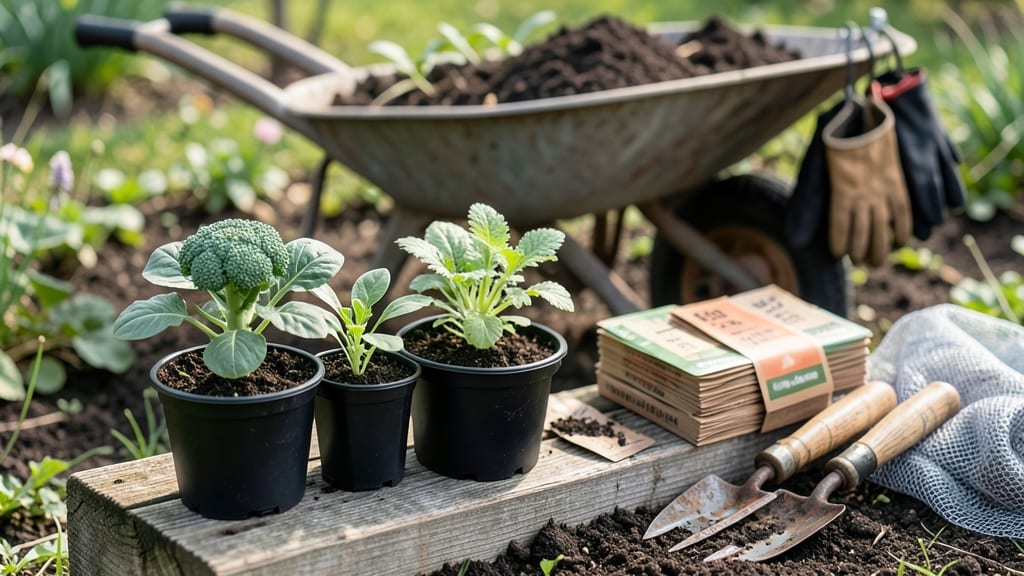
Planting a garden in Ohio after the last frost date—typically around mid-April—sets the stage for a bountiful harvest 🌱.
Ohio’s unpredictable spring weather can turn a gardener’s carefully planned planting schedule into a guessing game—but knowing the exact dates for each plant type and hardiness zone ensures your garden thrives, not just survives.
From cool-season crops like lettuce and peas to warm-season favorites like tomatoes and peppers, timing matters. Northern Ohio’s 6a zone demands extra caution, while southern Ohio’s 6b can push planting just a little later.
Here’s how to align your planting with Ohio’s climate, including when to start seeds indoors, when to transplant, and how to avoid common mistakes that waste your hard work.
Ohio planting dates by hardiness zone: exact weeks for frost-free success
Ohio spans USDA hardiness zones 5a through 6b, meaning your planting timeline can vary by up to 3 weeks depending on where you live.
In northern Ohio (zones 5a-5b), the last spring frost typically arrives April 15-22, while southern Ohio (zones 6a-6b) sees frost-free conditions 2-3 weeks earlier. These differences matter—planting warm-season crops like tomatoes too early in cooler zones risks frost damage.
For cool-season crops (lettuce, peas, spinach), you can start seeds indoors 6-8 weeks before your last frost date or direct-sow as early as late March in southern Ohio and early April in the north.
Warm-season crops (tomatoes, peppers, cucumbers) need to wait until soil temperatures reach 60°F+, usually mid-May in northern Ohio and early May in the south.
Here’s a zone-specific planting schedule to help you align your garden with Ohio’s climate quirks, including adjustments for false springs and unpredictable frost:
For perennials and shrubs, plant in early spring (March–April) while the soil is workable but before buds break. In zones 5a-5b, wait until after April 15 to avoid frost damage to tender roots.
Southern Ohio gardeners can start as early as mid-March for cold-hardy varieties like daylilies or coneflowers.
Ohio’s first fall frost typically arrives October 15-30, earlier in northern zones. Use this as your cue to harvest warm-season crops like tomatoes and peppers before temperatures dip below 40°F.
For cool-season crops (kale, carrots, radishes), you can direct-sow 6-8 weeks before your first frost—so late August to early September in most of Ohio.
Pro tip: Use row covers or cold frames to extend your growing season by 2-4 weeks in both spring and fall. These tools let you plant spinach or lettuce in early September or start warm-season crops like basil in late April without risking frost.
Just remove covers when temperatures rise above 70°F to prevent overheating.
Always check local microclimates—valleys and low-lying areas frost earlier than hills or urban heat islands. If you’re unsure, use frost-sensitive plants like basil as a frost indicator: if they survive a night, you’re likely safe to plant warm-season crops.
For container gardening, you can push limits further. Containers warm up faster in spring and cool down quicker in fall, so you might plant tomatoes 1-2 weeks earlier than in-ground gardens. Just ensure containers have drainage holes and use heat-resistant fabric pots in summer to prevent root stress.
Finally, track your own frost dates for 2-3 years to refine your schedule. Ohio’s climate shifts yearly—what was a safe last frost date in 2022 might not hold in 2025.
Keep a gardening journal with notes on frost dates, soil warmth, and plant performance to build a personalized planting calendar over time.
Best plants to start indoors vs. direct-sow in Ohio’s climate
Ohio’s variable spring temperatures make timing critical—some plants thrive when started indoors while others prefer direct sowing. Transplant shock can derail your garden if you’re not strategic. Tomatoes and peppers, for example, need a 6-8 week head start indoors to avoid stunted growth.
Meanwhile, radishes and lettuce bolt if sown too early, so direct sowing after the last frost is ideal.
For Ohio’s hardiness zones 5a-6b, I recommend starting warm-season crops like basil and eggplants indoors by March 1st. Cool-season crops like kale and carrots can go straight into the soil as early as late March, but only if soil temps stay above 40°F.
The key is balancing seedling maturity with outdoor conditions—a mismatch leads to wasted effort.
⚠️ PROS-CONS BOX: INDOOR VS. DIRECT SOWING
Indoor Starting
Direct Sowing
- Longer growing season for warm crops
- Controlled environment reduces pests
- Better for delicate seedlings
- Risk of transplant shock
- Requires grow lights/space
- Higher upfront cost
- No transplant shock
- Lower cost and effort
- Better for hardy annuals
- Limited to cool-season crops
- Slower maturity for warm crops
- Pests/diseases more likely
My 6-week pre-planting timeline for Ohio starts with tomatoes and peppers in early March under grow lights. By April 1st, these seedlings should be hardened off and ready for transplant after the last frost (mid-April).
For direct-sown crops, I wait until soil temps hit 50°F—usually late April for beans and corn, and May for squash.
To avoid transplant shock, I use biodegradable pots and bury them entirely when transplanting. For direct-sown seeds, I mark rows with stakes and twine to prevent overcrowding. Mulching after planting helps retain moisture and regulates soil temperature—critical in Ohio’s unpredictable springs.
A 5-inch layer of straw works wonders for retaining moisture.
For Ohio’s humidity-loving plants like cucumbers and basil, I prioritize air circulation by spacing seedlings 12-18 inches apart. If you’re new to indoor starting, begin with easy crops like lettuce or herbs—they’re forgiving if you miss the timing.
For high-stakes crops like tomatoes, set reminders for fertilizing every 2 weeks once they’re outdoors to boost yield.
Pro tip: Use a seedling heat mat for early starts—it speeds germination by 30% in cool Ohio springs. And always keep a garden journal to track what worked (or didn’t) each year. Next year’s garden will thank you for the notes! 🌱