
How To
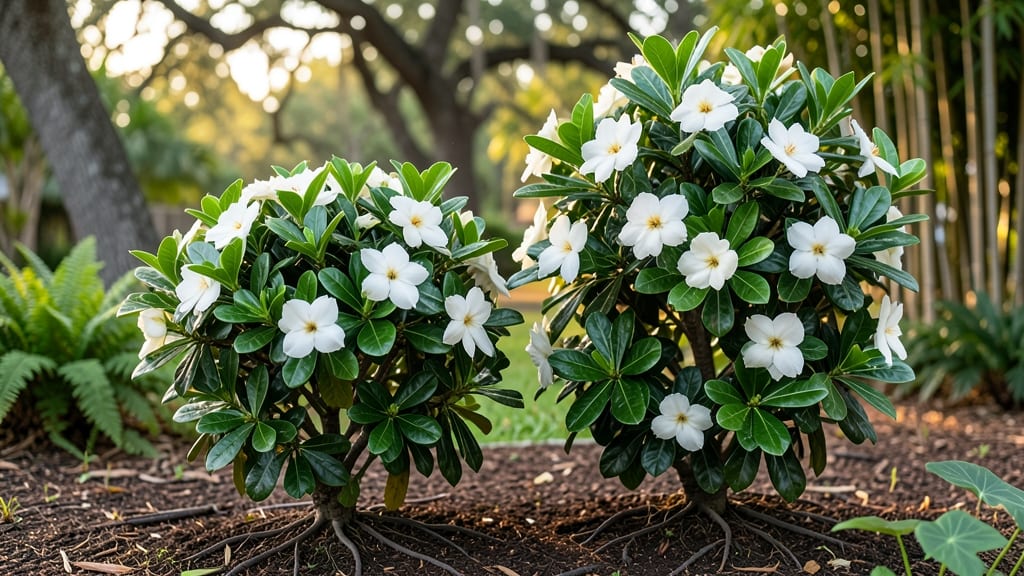
Gardenias can grow between 3 and 6 feet tall depending on the variety and care you give them, with some reaching even higher if left unchecked.
If you’ve ever wondered whether your gardenia will stretch toward the sky or stay compact, the answer lies in both its natural growth habits and your pruning strategy—because the right cuts can transform a wild shrub into a perfectly manicured blooming powerhouse.
The most common gardenia, Gardenia jasminoides 🌸, typically hits 4 to 6 feet at maturity in ideal conditions, but dwarf varieties like 'Kleim's Hardy' stay around 2 to 3 feet. Without pruning, they’ll grow taller, but that doesn’t mean they’ll bloom more—often the opposite happens.
The key is balancing height control with the right pruning techniques to keep those fragrant white flowers coming.
Sunlight, soil, and even your location in USDA Zone 9b or warmer play a huge role in how tall your gardenia will grow. Too much shade stunts growth, while harsh afternoon sun can stress the plant, leading to leggy stems.
The good news? With the right approach, you can guide your gardenia to stay at your desired height while keeping it lush and full of blooms.
In this guide, I’ll break down how to read your gardenia’s growth habits, when and how to prune for the perfect size, and the 3 most common mistakes that make gardenias grow too tall—or worse, stop flowering altogether. Let’s get started!


Natural gardenia height by variety: how tall they grow without pruning
If you’ve ever wondered how tall your gardenia will grow without pruning, the answer depends entirely on the variety and growing conditions. Most gardenias naturally reach 3 to 6 feet at maturity, but some dwarf varieties stay under 3 feet.
Understanding these differences helps you plan your garden layout or container choices.
Gardenia jasminoides, the most common variety, typically grows 4 to 6 feet tall in ideal conditions. This evergreen shrub thrives in warm climates and can even reach 8 feet in perfect growing conditions, though this is rare.
Meanwhile, Gardenia augusta tends to be slightly shorter, averaging 3 to 5 feet.
Sunlight plays a critical role in height growth. Gardenias exposed to morning sun and partial shade grow more compactly, while those in full sun may stretch taller. Poor soil drainage or nutrient deficiencies can stunt growth, while acidic, well-draining soil encourages healthy vertical expansion.
Climate also influences height. In USDA Zones 9b-11, gardenias grow vigorously year-round, reaching their full potential. In cooler zones (like Zones 7-9), they may grow slower and stay shorter unless protected from frost.
Now, let’s break down the natural height ranges of popular gardenia varieties in the comparison table below. This will help you visualize which type fits your space best—whether you’re aiming for a compact hedge or a tall privacy screen.
As you can see, Gardenia jasminoides and Gardenia fortuniana are the tallest varieties, making them ideal for privacy screens or background plantings. If you’re working with limited space, Gardenia radicans or Gardenia augusta are perfect for containers or small gardens.
Soil quality also affects height. Gardenias need acidic soil (pH 5.0-6.5) to thrive. If your soil is alkaline, amend it with peat moss or sulfur to encourage healthy growth. Poor soil can stunt a gardenia’s height by up to 30%, so testing your soil before planting is a game-changer.
Watering habits matter too. Gardenias love consistent moisture but hate soggy roots. Overwatering can lead to root rot, which weakens the plant and limits its ability to grow tall. Aim for 1-2 gallons of water per week, adjusting
Pruning techniques to control gardenia height and maximize blooms
Pruning your gardenia isn’t just about keeping it tidy—it’s the secret weapon for controlling its height while encouraging more abundant blooms.
Without proper pruning, your Gardenia jasminoides could easily reach 6 feet tall, but with strategic cuts, you can shape it into a compact, bushier shrub that bursts with fragrant flowers. The key lies in timing, technique, and knowing how much to trim.
Most gardeners make the mistake of pruning at the wrong time or cutting too aggressively, which can reduce flowering or even harm the plant. I’ve learned that spring pruning (right after blooming) is ideal for shaping, while light summer pruning helps maintain size.
Avoid heavy cuts in fall—the plant needs energy to prepare for winter. Let’s dive into the step-by-step process to keep your gardenia at your desired height while maximizing those show-stopping blooms.
-
Step 1: Choose the Right Time
Prune immediately after flowering (late spring) to avoid cutting off next year’s blooms. Never prune in fall or winter—this stresses the plant and reduces spring blooms. -
Step 2: Use the Right Tools
Grab clean, sharp bypass pruners (for small stems) and sterilized loppers (for thicker branches). Disinfect tools with rubbing alcohol to prevent disease spread. -
Step 3: Identify Target Branches
Remove dead, crossing, or inward-growing branches first. For height control, cut back up to 1/3 of the tallest stems to encourage bushier growth. -
Step 4: Make Clean Cuts
Cut just above a leaf node (where new growth emerges) at a 45-degree angle. Avoid leaving stubs—this invites disease. For thick branches, make a second cut to prevent tearing. -
Step 5: Shape Gradually
Never cut back more than 1/3 of the plant in one season. Over-pruning stresses gardenias and can delay or reduce blooming. Aim for a rounded, balanced shape to encourage airflow and sunlight penetration. -
Step 6: Post-Pruning Care
Apply a balanced, acidic fertilizer (like 10-10-10) to support new growth. Water deeply and mulch around the base to retain moisture and protect roots.
Aggressive pruning can sometimes backfire—if you cut too much, your gardenia might skip blooming the following year. I’ve found that moderate, annual pruning (removing only 10-20% of the plant’s height) yields the best results for both size control and blooms.
For example, if your gardenia is 5 feet tall and you want it at 3 feet, spread the cuts over 2-3 years to avoid shock.
Pro tip: Pinch back new growth in early summer to encourage denser foliage and more flower buds. This works especially well for young gardenias (under 3 years old) that need shaping.
Just snip the top 1-2 inches of soft, new shoots with your fingers or small pruners. It’s a gentle way to guide their growth without harsh cuts.
Remember, gardenias reward patience. With consistent pruning, your 3-foot-tall gardenia will thrive as a blooming powerhouse while staying perfectly sized for your garden or patio. The key is to prune lightly, prune often, and always time your cuts for maximum bloom potential. 🌸