
Pests
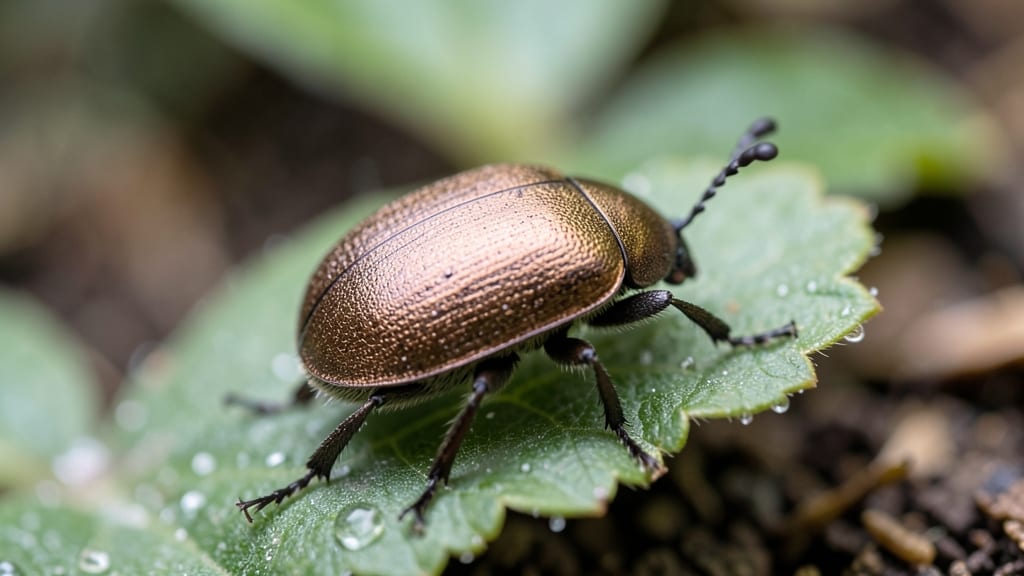
The Asiatic garden beetle is a stealthy lawn and garden destroyer that can turn your hard work into a chewed-up mess in just a few weeks.
You might not even notice them until your grass looks like a golf course after a storm, or your prized vegetables are skeletonized overnight. These pests thrive in the heat of summer, multiplying quickly and leaving behind a trail of destruction that’s hard to ignore.
But here’s the good news: with the right identification tips and control methods, you can stop them before they ruin your yard. I’ll walk you through how to spot these beetles, understand their life cycle, and use both natural and chemical solutions to keep your garden safe.
From organic sprays to preventive strategies, you’ll find everything you need to reclaim your lawn and plants—before the damage spreads any further.
How to identify Asiatic garden beetle damage and life cycle stages
Spotting Asiatic garden beetles early is key to protecting your garden. These pests have two distinct life stages—larvae and adult beetles—each causing unique damage. Larvae, often called white grubs, feed on grass roots, while adults chew leaves and stems.
Knowing their appearance and seasonal patterns helps you act before your plants suffer.
The adult Asiatic garden beetle is about 1/3 inch long with a shiny, dark brown or black body. Look for six legs and a hard exoskeleton. Unlike Japanese beetles, they lack metallic sheen and have no white patches on their sides.
Adults emerge in late spring to summer, feeding on over 100 plant species, including roses, grapes, and vegetables.
Larvae, or white grubs, are C-shaped and 1 inch long with brown heads. They thrive in moist soil and feed on grass roots, causing yellow patches that pull up easily.
Unlike Japanese beetle grubs, they have three pairs of legs instead of five. Larvae overwinter in soil and pupate in spring.
Here’s how to distinguish their damage from other pests like Japanese beetles or grubs:
| Feature | Asiatic Garden Beetle | Japanese Beetle | White Grubs (General) |
|---|---|---|---|
| Adult Appearance | Dark brown, no metallic sheen, 1/3 inch | Green with bronze wings, metallic sheen | N/A (larval stage) |
| Larva Appearance | C-shaped, brown head, 3 pairs of legs | C-shaped, brown head, 5 pairs of legs | Varies by species |
| Damage Type | Chewed leaves, notched edges, skeletonized foliage | Skeletonized leaves, scalloped edges | Yellow grass patches, roots chewed |
| Active Seasons | Adults: May–August, Larvae: Summer–Fall | Adults: June–August, Larvae: Summer–Spring | Varies by species, often summer–fall |
| Key Plants Affected | Roses, grapes, vegetables, lawns | Roses, grapes, beans, linden trees | Grass, root crops |
Adult Asiatic garden beetles are most active during daylight hours, especially on warm, sunny days. They prefer to feed on the undersides of leaves, creating notched or irregular edges. Check your plants for chewed foliage and frass (insect droppings), which appear as tiny black specks.
Larval damage is easier to spot in lawns. Look for yellow patches that feel spongy when stepped on. If you lift a section of grass, you’ll see white grubs feeding on roots. Unlike other grubs, Asiatic garden beetle larvae leave a slime trail as they move through soil.
Seasonal activity is critical for timing your response. Adults emerge in late May to June and remain active until late summer. Larvae hatch in June–July and overwinter in soil, pupating the following spring. Monitoring your garden in these months helps you catch infestations early.
To confirm an infestation, dig up a 12-inch square of lawn in the damaged area. Count the number of grubs—5 or more per square foot means it’s time to act.
For adults, shake plants over a white tray to spot the beetles. Early detection saves your garden from irreversible damage.
If you’re
Top 5 organic and chemical removal methods for Asiatic garden beetles
When Asiatic garden beetles invade your yard, quick action is essential to protect your lawn and plants. These pests thrive in warm weather and can devastate your garden in mere weeks.
The good news? You have multiple effective options—both organic and chemical—to combat them. Let's explore the top 5 removal methods ranked by effectiveness and ease of use.
For gardeners prioritizing long-term solutions, organic methods like milky spore and beneficial nematodes offer sustainable results. However, if you need immediate control, targeted pesticides or insecticidal soaps can deliver faster results.
Each method has unique pros and cons, so let's break them down to help you choose the best fit for your garden.
Asiatic Garden Beetle Removal Methods Comparison
Milky Spore
- Pros: Long-term control (3-5 years), soil-borne, safe for pets/kids
- Cons: Slow-acting (6-12 months), requires warm soil
Neem Oil
- Pros: Fast-acting, organic, disrupts feeding/breeding
- Cons: Requires reapplication, may harm beneficial insects
Beneficial Nematodes
- Pros: Targets larvae in soil, organic, long-lasting
- Cons: Best for prevention, needs moist soil
Insecticidal Soap
- Pros: Fast knockdown, organic, safe for most plants
- Cons: Short residual effect, must reapply frequently
Targeted Pesticides
- Pros: Immediate results, long residual protection
- Cons: Chemical use, potential harm to beneficial insects
If you're dealing with a severe infestation, I recommend starting with insecticidal soap or targeted pesticides for immediate results. These methods provide quick knockdown of adult beetles and larvae. For a more sustainable approach, combine milky spore with beneficial nematodes to target both larvae and adults over time.
For organic gardeners, neem oil is a versatile choice that disrupts the beetles' life cycle while being safe for most plants. Apply it in the early evening to avoid harming bees and other pollinators. Remember to reapply every 7-10 days during active beetle seasons for best results.
When using targeted pesticides, always follow the label instructions carefully. These products often contain imidacloprid or chlorantraniliprole, which are highly effective but require proper application timing. For large lawns, consider using a spreader to ensure even coverage.
No matter which method you choose, consistency is key. Asiatic garden beetles reproduce quickly, so early intervention and regular monitoring will give you the best chance of keeping your garden healthy. Combine these removal methods with preventative strategies like proper lawn care and companion planting for long-term success.
Start with the method that best fits your garden's needs and your comfort level with organic versus chemical solutions. With the right approach, you can reclaim your yard from these destructive pests and enjoy a thriving garden all season long. 🌱