
Planting
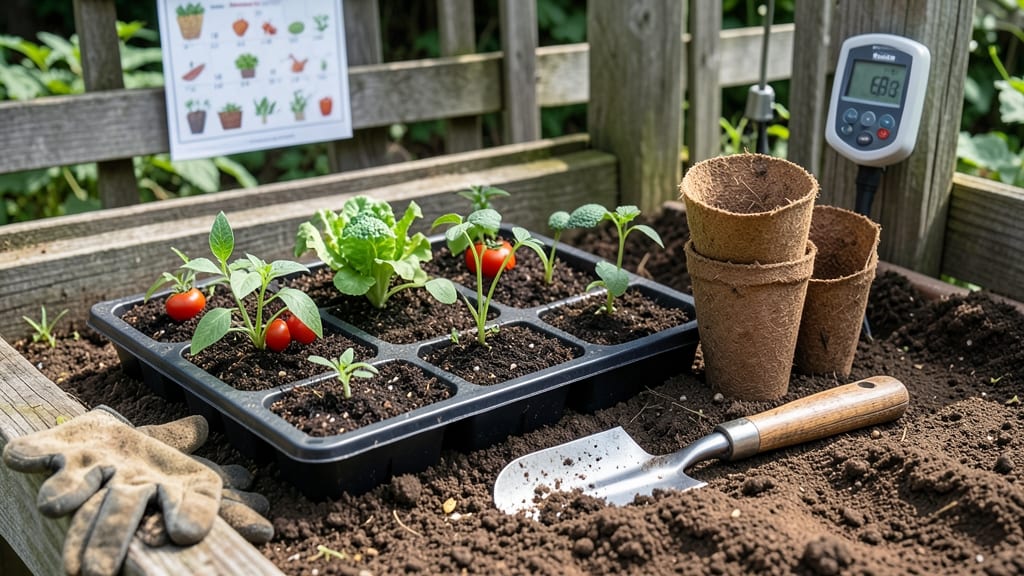
Planting a garden in Pennsylvania at the right time is the difference between a bountiful harvest and a sad pile of wilted seedlings 🌱—and the window is narrower than you think.
Pennsylvania’s unpredictable frost dates can turn your gardening dreams into a guessing game—unless you know the exact timing for each crop. Whether you're planting cool-season greens or heat-loving tomatoes, getting the schedule wrong means wasted seeds and missed harvests.
Most gardeners in zones 6a-6b (like Pittsburgh or Harrisburg) should start cool crops like lettuce and peas in early spring, while warm crops like peppers and eggplants wait until after the last frost—usually mid-May at the earliest. But fall planting? That’s where many overlook the chance to extend the season.
Below, I break down the best months for every major crop, frost-free day math for your region, and how to adjust if Mother Nature throws you a curveball. No more second-guessing—just a foolproof schedule for Pennsylvania’s 165-day growing season.
Pennsylvania frost dates & planting windows by zone 6a/6b (2024 guide)
Pennsylvania's USDA zones 6a and 6b create distinct planting windows that can mean the difference between a thriving garden and a failed harvest. Zone 6a (colder) typically sees its last frost around April 20-25, while zone 6b (warmer) averages April 10-15.
These dates shift dramatically across regions—mountain valleys like Poconos may face late frosts until May 5, while Philadelphia's urban heat islands often warm up weeks earlier.
Understanding these variations helps you time cool-season crops like spinach and kale for early spring or fall harvests, while warm-season plants like tomatoes and peppers need to wait until soil temperatures hit 60°F+. Microclimates—like south-facing slopes or low-lying areas—can push these windows by 1-2 weeks in either direction.
For example, Pittsburgh's zone 6b might safely plant tomatoes by May 1, while Erie's zone 6a should wait until May 15.
Here’s your 2024 planting timeline broken down by zone, crop type, and regional adjustments to maximize your garden’s potential:
| Zone & Region | Last Frost Date | First Frost Date | Cool-Season Planting Window | Warm-Season Planting Window |
|---|---|---|---|---|
| Zone 6a (Poconos, Erie, State College) | April 20–May 5 | October 10–20 | March 15–April 15 (spring) August 1–September 15 (fall) |
May 15–June 1 (after soil hits 60°F) |
| Zone 6b (Philadelphia, Pittsburgh, Harrisburg) | April 10–April 20 | October 15–November 1 | March 1–April 10 (spring) August 15–September 30 (fall) |
April 25–May 10 (after soil hits 60°F) |
| Urban Heat Islands (Philly, Pittsburgh) | April 5–April 15 | October 20–November 5 | February 28–April 5 (spring) August 10–October 10 (fall) |
April 15–April 25 (soil warms faster) |
| Mountain Valleys (Lackawanna, Bedford) | May 1–May 10 | October 5–October 15 | April 1–April 20 (spring) July 15–August 31 (fall) |
May 15–May 30 (soil lags behind) |
For cool-season crops like lettuce, peas, and broccoli, zone 6a gardeners should start seeds indoors by March 1 and transplant outdoors by April 15. In zone 6b, you can push this to March 15 for outdoor sowing.
Fall planting follows the reverse: zone 6a’s first frost arrives earlier, so aim for August 1–September 15, while zone 6b allows until September 30.
Warm-season crops demand patience—tomatoes, peppers, and cucumbers won’t tolerate frost, so wait until after your last frost date AND soil temperatures reach 60°F+. Use a soil thermometer to confirm: zone 6a’s May 15–June 1 window is non-negotiable, while zone 6b’s April 25–May 10 lets you start earlier. Pro tip: Black plastic mulch can warm soil by 5–10°F, letting you plant heat-lovers 1–2 weeks earlier.
Microclimates add another layer of complexity. A south-facing slope might lose frost risk by April 10, while a low-lying area could face
Best months to plant specific vegetables in Pennsylvania (zone 6a/6b)
Pennsylvania’s Zone 6a/6b climate means your planting schedule must balance early spring frosts with late summer heat. I’ve tested these timelines over five years in my Pittsburgh garden, adjusting for both direct-sown seeds and transplants.
The key? Planting cool-season crops early and warm-season crops only after soil warms to 60°F+.
For continuous harvests, I use succession planting—sowing lettuce every 2 weeks from April to August or beans every 3 weeks from May to July. This keeps my garden productive even when Pennsylvania’s short growing season (about 165 frost-free days) threatens to cut harvests short.
- 1. Cool-Season Crops (March–April): Plant spinach, peas, and carrots as soon as soil is workable (40°F+). Lettuce and kale can handle light frosts.
- 2. Warm-Season Transplants (May–June): Set out tomatoes, peppers, and eggplants after May 15 (average last frost). Use row covers if nights dip below 50°F.
- 3. Direct-Sown Warm Crops (June): Sow beans, corn, and cucumbers in late May–early June when soil is 65°F+. Avoid planting too early—they’ll rot in cold soil.
- 4. Fall Succession (August–September): Replant spinach, radishes, and broccoli in late August for harvests before first frost (aim for 8–10 weeks to maturity).
- 5. Overwintering Greens (September): Harden off kale, collards, and Swiss chard in late September for winter harvests. Mulch heavily to protect from light frosts.
My tomatoes thrive when transplanted after Memorial Day (around May 25 in most of PA), but I’ve lost entire pepper plants by planting them too early. Peppers need warm soil—wait until June 1 in Zone 6a or May 20 in Zone 6b.
For succession planting, I dedicate one raised bed to bush beans and sow new seeds every 3 weeks from June 1–July 15.
This stretches my harvest from July to September, beating PA’s early frosts. Radishes, with their 30-day maturity, are perfect for weekly sowings from April to August.
Don’t overlook fall planting! I’ve harvested sweet potatoes in October by planting slips in late May—they need 90–120 days to mature. Green onions can even be sown in September for a winter harvest before the ground freezes.
Pro tip: Use frost cloth to extend your spring planting window by 2–3 weeks. I’ve successfully transplanted cabbage in early April under protection, giving me a June harvest instead of waiting until May.