
Planting
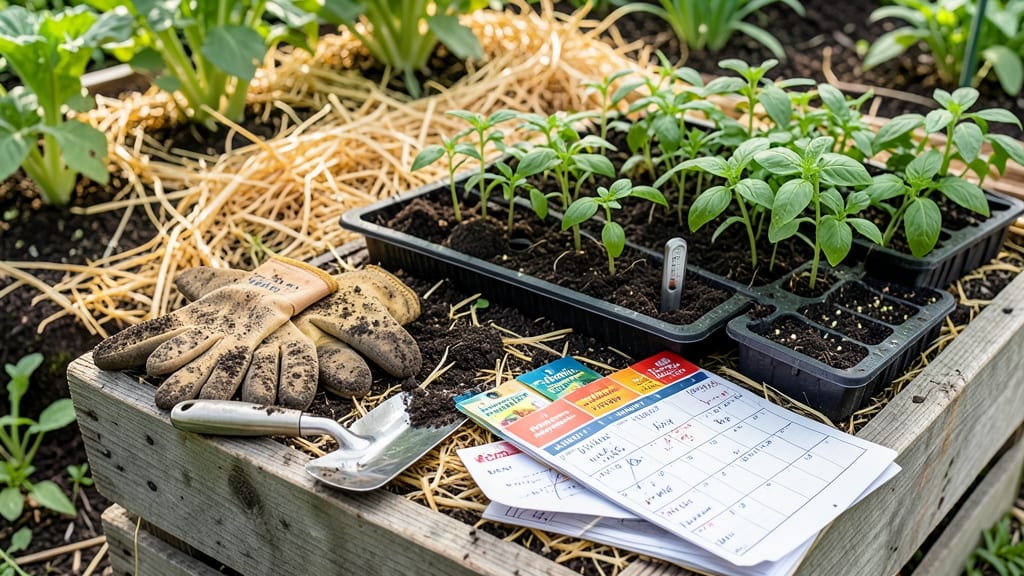
Planting your garden in Kentucky at the right time means the difference between a bountiful harvest and wasted effort, especially in USDA Zones 6A/6B where frost dates shift by weeks across the state.
Picture this: you’ve prepped the soil, ordered seeds, and dreamed of fresh tomatoes by summer—only to watch your tender seedlings freeze overnight because you planted two weeks too early. Kentucky’s mild winters and humid summers create the perfect growing conditions, but timing is everything.
Cool-season crops like lettuce and peas thrive when planted in early spring (March 15–April 30) or late summer (August 1–September 15), while warm-season favorites like tomatoes and peppers need to wait until after the last frost—typically mid-April to mid-May, depending on your region.
Below, I’ll break down the exact planting windows for Kentucky’s top crops, regional frost variations, and how to stretch your growing season without a greenhouse. Ready to turn your garden dreams into reality?
Kentucky planting calendar: last frost dates & critical deadlines by region
Kentucky’s last spring frost typically arrives between April 15 and May 15, while the first fall frost hits between October 1 and November 15. These dates mark the difference between a bountiful harvest and wasted efforts.
In USDA Zones 6A/6B, northern regions like Paducah freeze earlier, while southern areas like Bowling Green enjoy 2-3 extra weeks of warmth.
For cool-season crops like lettuce and peas, start seeds indoors 4-6 weeks before your average last frost date. In Louisville, that means mid-March for early varieties. Warm-season crops like tomatoes and peppers need soil temperatures above 60°F—wait until 2-3 weeks after your last frost to plant them outdoors.
Northern Kentucky (e.g., Covington) has a shorter growing season, so prioritize fast-maturing varieties. Southern Kentucky (e.g., Bowling Green) can push planting dates later, even trying fall tomatoes with row covers. Always check your local microclimate—valleys freeze earlier than hilltops.
In Lexington, where the average last frost is April 20, you can start spinach and kale as early as March 15 for a spring harvest.
For warm-season crops, wait until May 5 to plant tomatoes and peppers, giving them time to mature before fall frost hits around October 15.
Bowling Green’s later frost dates let you experiment with fall planting. Try broccoli or carrots in August for a harvest before November 1. Use frost cloths to protect tender crops like cabbage if temperatures dip unexpectedly.
Northern Kentucky’s shorter season demands succession planting. In Paducah, sow radishes every 2 weeks from March to July for continuous harvests. Peas thrive in cool soil—plant them by April 15 for a spring feast.
Always monitor soil temperatures with a thermometer. Warm-season crops need soil at 60°F+ to germinate, while cool-season crops grow best below 75°F. In Louisville, this means waiting until
Best crops to plant in Kentucky by season: from cool-weather greens to heat-loving tomatoes
Kentucky’s diverse climate lets you grow everything from crisp lettuce in spring to juicy tomatoes in summer. The key is matching each crop to its ideal planting window—whether it’s cool-season greens or heat-loving staples.
With USDA Zone 6A/6B frost dates ranging from mid-April to mid-October, timing is everything for a bountiful harvest.
I’ve planted everything from peppers to pumpkins in my Kentucky garden, and I’ve learned that succession planting is the secret to continuous harvests. For example, sowing radishes every 2 weeks in spring keeps them coming until summer heat sets in.
Meanwhile, cold-hardy kale and spinach thrive in fall’s cooler temps, often lasting until first frost.
- March-April: Cool-season crops like lettuce, spinach, and peas (plant 4-6 weeks before last frost).
- May-June: Warm-season crops such as tomatoes, beans, and peppers (plant 2-3 weeks after last frost).
- June-July: Succession plant radishes, bush beans, and cucumbers every 2-3 weeks for continuous harvests.
- July-August: Start fall crops like kale, carrots, and broccoli (60-90 days before first frost).
- August-September: Plant pumpkins, squash, and garlic for fall harvests and overwintering.
For cool-season crops, I always start with lettuce and spinach in early March, even if temps dip below freezing. These cold-hardy varieties like Winter Density lettuce or Bloomsdale spinach can handle light frosts.
Just cover them with row fabric if temps drop below 20°F. Peas are another great early crop—they thrive in 40-60°F soil and can be planted as soon as the ground is workable.
Once the last frost passes (usually around mid-April in most of Kentucky), it’s time for warm-season crops. I always plant tomatoes and peppers first, as they need warm soil to germinate.
Varieties like Celebrity tomatoes or Jalapeño peppers do well in Kentucky’s heat. Beans and cucumbers follow shortly after, benefiting from the state’s humid summers.
Succession planting is my go-to strategy for continuous harvests. For example, I sow radishes every 2 weeks from April through July—they mature in just 25-30 days, so you’re never without fresh ones.
Similarly, bush beans can be planted in 3-week intervals to stretch your harvest from June through September. This method also works for lettuce and bok choy in fall.
Don’t overlook fall planting! Kentucky’s fall frost dates (typically mid-October) give you plenty of time for a second harvest. I always plant kale, carrots, and broccoli in late July or early August for a 90-day harvest window.
These crops actually sweeten with frost, making them perfect for late-season eating. Garlic planted in fall also overwinters beautifully, ready for harvest the following summer.
Pro tip: Use mulch and row covers to extend your growing season. A thick layer of straw mulch keeps soil warm for early spring planting, while frost cloth protects late-season crops from unexpected chills. With these strategies, you can enjoy fresh homegrown produce from March through November—no greenhouse required! 🌱