
Planting
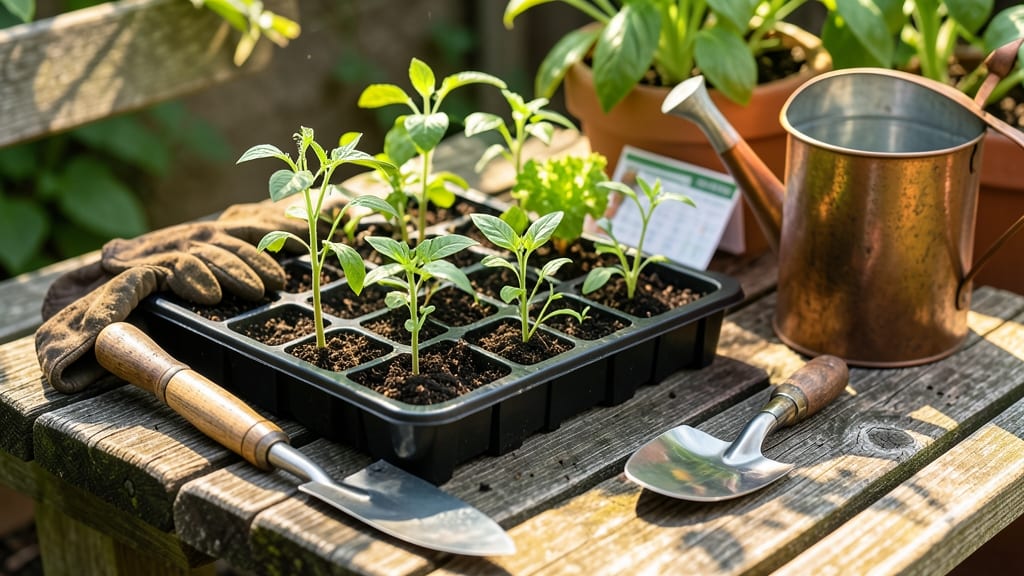
Planting a garden at the best time means the difference between a thriving harvest and a sad, wilted disappointment—yet most gardeners still guess wrong every year.
Timing your garden planting perfectly can mean the difference between lush harvests and wilted disappointment—yet most gardeners waste weeks planting at the wrong time. The secret? Matching your seeds to your climate zone's unique growing seasons.
In Zone 6a, where spring arrives around April 15 and frost lingers until October 15, early spring and late summer are your golden windows for General Garden Plants 🌱.
But even here, cool-season crops like leafy greens thrive in February, while tomatoes and peppers demand warmer soil in May.
Below, I’ll break down the exact planting windows for your zone, how to adjust for late frosts, and the one mistake that ruins timing for 90% of gardeners. No more guesswork—just peak growth.

How to determine your climate Zone for optimal planting times
Getting your planting timing right starts with understanding your USDA hardiness zone. This zone, assigned by the United States Department of Agriculture, predicts the average minimum winter temperatures in your area.
Knowing your zone helps you select cold-hardy plants and time your planting windows perfectly—whether you're growing tomatoes in Zone 7 or kale in Zone 4.
Your zone also reveals your last frost date and first frost date, two critical markers for planting. For example, in Zone 5, the last frost typically arrives around April 15, while Zone 10 gardeners might plant year-round.
Without this knowledge, you risk planting too early and losing seedlings to frost or too late and missing peak harvests.
But here's the catch: your microclimate—like a sunny south-facing slope or a shady backyard—can shift your planting window by 2-4 weeks. A microclimate map of your garden reveals these nuances, helping you plant peppers earlier in a warm microclimate or delay beans in a cooler one.
To find your zone, visit the USDA Plant Hardiness Zone Map and enter your ZIP code. You’ll see a color-coded zone (e.g., 6b) and a 10-year average low temperature for your area.
For instance, Zone 6 ranges from -10°F to 0°F, while Zone 8 stays above 10°F.
Next, check your local extension office or a frost calendar for precise frost dates. These dates tell you when to plant cool-season crops like spinach (after last frost) and when to start warm-season crops like squash (after soil warms to 60°F).
For example, in Zone 7, last frost is usually March 15, while first frost hits November 15.
| Zone | Avg. Last Frost | Avg. First Frost | Best Planting Window | Example Crops |
|---|---|---|---|---|
| 3-4 | May 1-15 | September 15-October 1 | Late May to early July | Potatoes, peas, kale |
| 5-6 | April 15-May 1 | October 15-November 1 | Mid-April to early June | Tomatoes, beans, lettuce |
| 7-8 | March 15-April 15 | November 1-December 1 | February to August | Peppers, cucumbers, basil |
| 9-10 | January-February | December-January | Year-round (with care) | Tropical plants, melons, okra |
Once you know your zone, adjust for microclimates. A south-facing wall can warm your garden by 5-10°F, letting you plant tomatoes 2 weeks earlier. Conversely, a shady spot might delay planting peppers until after Memorial Day. Use a thermometer to track soil temps—most seeds need 60°F+ to germinate.
For cool-season crops like broccoli, plant 4-6 weeks before your last frost. For warm-season crops like squash, wait until after your last frost and soil is 70°F+. In Zone 5, this might mean planting tomatoes in late May, while Zone 9 gardeners can start in March.
Don’t forget to account for seedling maturity. Fast growers like
Month-by-month planting calendar by climate Zone (with key crops)
Timing your garden starts with understanding your USDA climate zone. Whether you're in Zone 3 with harsh winters or Zone 10 with mild temperatures, the right planting window ensures your cool-season crops thrive before heat sets in.
For example, spinach and kale love the cooler months, while tomatoes and peppers need warmth to flourish. Below, I’ve mapped out the best months for planting by zone, including adjustments for early or late frosts.
Use this calendar as your growing season guide. Cool-season crops like broccoli and carrots should go in 4-6 weeks before the last frost, while warm-season crops like squash and beans need to wait until soil temperatures hit 60°F+.
In Zone 5, that might mean March for peas but June for cucumbers. The key is balancing frost dates with your plants’ maturity timelines—fast growers like radishes can handle cooler temps, while long-season varieties like corn need the full heat of summer.
⚠️ Pro Tip: Always check your last frost date (average is April 15 in Zone 6, but varies by location). For Zone 8+, you might plant year-round, but even there, heat-sensitive crops like lettuce need shade in peak summer. Below, I’ve broken it down by zone with color-coded planting windows for clarity.
| Zone | Cool-Season Crops | Warm-Season Crops | Fast Growers | Long-Season Crops |
|---|---|---|---|---|
| 3-4 | March-April (Peas, Spinach, Lettuce) |
May-June (Tomatoes, Peppers) |
Radishes, Arugula (30-45 days) |
Broccoli, Cabbage (60-90 days) |
| 5-6 | April-May (Kale, Carrots, Onions) |
June (Beans, Squash, Corn) |
Lettuce, Bush Beans (30-50 days) |
Tomatoes, Peppers (70-100 days) |
| 7-8 | Fall (Sept-Oct) (Spinach, Garlic) |
March-April (Eggplant, Okra) |
Green Onions, Cilantro (20-30 days) |
Sweet Potatoes, Melons (90-120 days) |
| 9-10 | Winter (Dec-Feb) (Peas, Lettuce) |
Year-Round (Peppers, Basil) |
Bok Choy, Radishes (25-40 days) |
Tomatoes, Eggplant (80-110 days) |
For Zone 3-4, focus on early spring planting (March-April) for cool-season crops. Use row covers to extend the season if frost threatens. In Zone 5-6, you can squeeze in a late summer planting (August-September) for fast growers like bush beans or turnips before the first frost.
Meanwhile, Zone 7-8 gardeners enjoy a longer growing season—plant warm-season crops as early as March and cool-season crops in late summer for a fall harvest. In Zone 9-10, you can grow almost year-round, but avoid planting heat-sensitive crops like lettuce during peak summer.
Adjust for microclimates—a sunny wall or shaded corner can shift your planting window by 2-4 weeks. For example, if your garden gets afternoon shade, plant tomatoes a week later than the calendar suggests.
Always monitor soil temperature (use a soil thermometer)—most seeds need 50-60°F to germinate, while warm-season crops like peppers require 70°F+. In Zone 6, I’ve had cucumber seeds rot because I planted too early when soil was still cold.
Plan ahead for succession planting. Fast growers like radishes (30 days) can be replanted every 2 weeks to keep your harvest flowing. For long-season crops like brussels sprouts (90+ days), start seeds indoors 6-8 weeks before the last frost to give them a head start.
And don’t forget perennials—plant asparagus crowns in early spring