
Planting
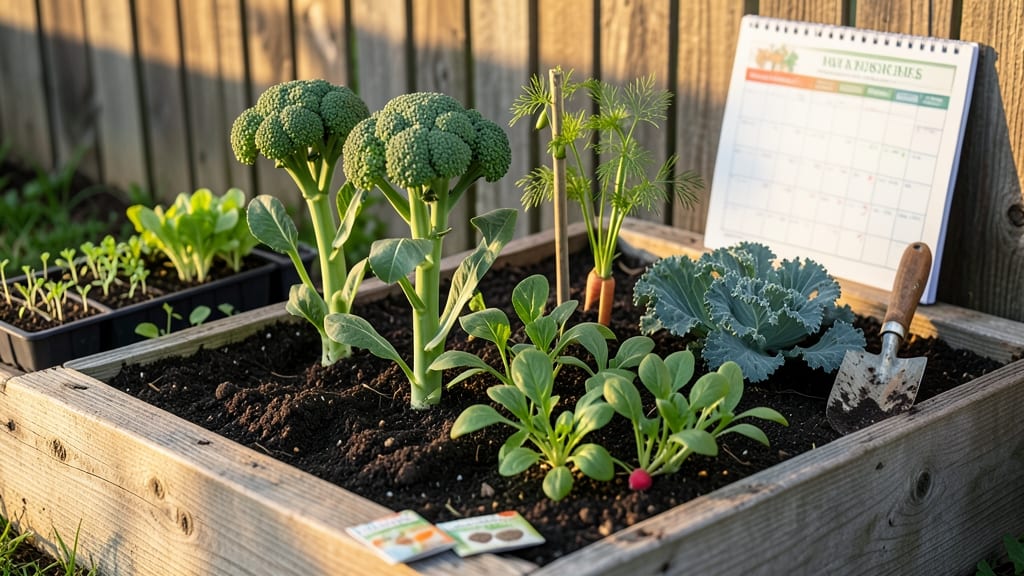
Planting a vegetable garden 🥬 in New Brunswick at the wrong time can leave you staring at empty rows or bolting greens—so timing matters more than you think.
With frost dates that shift from year to year and coastal areas warming faster than inland spots, missing the window means wasted seeds and missed harvests.
I’ve seen gardeners rush cool-season crops too early only to lose them to late frosts, or delay warm-season plants until the heat arrives and the soil turns to concrete.
Here’s the exact timing you need: when to start seeds indoors, when to transplant, and which varieties thrive in New Brunswick’s 5b climate—plus how to adjust for your specific microclimate.
You’ll walk away with a clear planting schedule, the best heat-tolerant crops for your zone, and tricks to extend your growing season by weeks. Let’s get those seeds in the ground at the right moment.
New Brunswick frost dates & planting zones: exact timing for cool-season vs. warm-season crops
New Brunswick’s USDA Zone 5b climate offers a short but productive growing season, with last spring frost dates typically landing between April 15 and May 15—depending on whether you're in coastal Saint John or inland Fredericton.
The first fall frost usually arrives between September 15 and October 15, giving you roughly 165 frost-free days to work with. These dates are critical for planning your cool-season crops (like peas and lettuce) versus warm-season crops (like tomatoes and peppers).
For cool-season vegetables, I recommend starting seeds 4-6 weeks before your last frost date—so if you're in Saint John, aim for early April, while inland gardeners should wait until mid-April. These crops thrive in cooler temperatures and can even tolerate light frosts.
Meanwhile, warm-season crops need to wait until 2 weeks after your last frost to ensure the soil has warmed enough for germination. Coastal areas may have a 2-3 week advantage over inland regions due to milder temperatures.
Here’s a quick reference for your New Brunswick planting schedule, tailored to both coastal and inland microclimates:
| Crop Type | Planting Window (Coastal) | Planting Window (Inland) | Notes |
|---|---|---|---|
| Potatoes | Early April (seed potatoes) | Mid-April (seed potatoes) | Plant 4-6 weeks before last frost; harvest before fall frost. |
| Peas | Late March - Early April | Early April - Mid-April | Sow directly; tolerates light frost. |
| Lettuce | March - Early May | April - Early June | Successive plantings every 2 weeks for continuous harvest. |
| Tomatoes | Mid-May - Early June | Late May - Mid-June | Start indoors 6-8 weeks before transplanting. |
| Peppers | Late May - Early June | Early June - Mid-June | Needs warm soil (18°C+); use black plastic mulch. |
For coastal areas like Saint John, you’ll have a slightly longer growing season due to the moderating influence of the Bay of Fundy. This means you can push your fall plantings later—think about sowing spinach or kale in early September for a harvest before the first frost.
Inland areas, however, should focus on earlier plantings and succession sowing to maximize yields before the fall frost hits.
One of my biggest mistakes early on was planting tomatoes too soon—they need the soil to be at least 15°C (59°F) to germinate properly. I learned to use a soil thermometer to check temperatures before transplanting, especially in cooler inland areas.
For peppers and eggplants, I now use black plastic mulch to warm the soil faster, which has dramatically improved my success rate.
If you're growing in containers or raised beds, these areas warm up faster in spring and stay warmer in fall, giving you a 2-3 week extension on both ends of the season.
I’ve had great luck with bush beans and zucchini in containers, as they mature quickly and can be harvested before the first frost.
For root vegetables like carrots and beets, I always aim to plant them 6-8 weeks before the last frost to ensure they have enough time to mature.
Don’t forget about fall planting! Many cool-season crops like kale, Brussels sprouts, and radishes can be sown in late July or early August for a harvest before winter sets in.
These crops actually sweeten in response to frost, making them perfect for extending your harvest into October or even November in milder coastal areas.
To stay on track, I mark my last frost date on my calendar and count backward for
Heat-tolerant vegetables for New Brunswick summers: 7 best choices that thrive in humid heat
New Brunswick’s summers can bring unpredictable heatwaves and high humidity, making it tricky to grow vegetables that thrive in these conditions. But with the right heat-tolerant varieties, you can still enjoy a bountiful harvest even when temperatures climb.
These 7 resilient vegetables are perfect for our short growing season and won’t wilt under the sun.
Before planting, ensure your soil is well-draining and enriched with compost. Mulching around plants helps retain moisture and keeps roots cool. Let’s dive into the top 7 heat-loving vegetables that will reward you with flavorful yields all summer long.
7 Heat-Tolerant Vegetables for New Brunswick
Plant after last frost (May 15)
✅ Thrives in 75-90°F
🌱 50-70 days to harvest
Direct sow after May 1
✅ Loves 80-95°F
🌱 50-65 days to harvest
Plant slips after June 1
✅ Prefers 75-85°F
🌱 90-120 days to harvest
Sow March–July
✅ Tolerates 80-90°F
🌱 45-60 days to harvest
Plant after May 15
✅ Thrives in 85-95°F
🌱 60-80 days to harvest
Transplant after May 30
✅ Loves 70-90°F
🌱 60-90 days to harvest
Transplant after June 1
✅ Prefers 80-90°F
🌱 70-90 days to harvest
For maximum yields, pair these vegetables with companion plants like basil (with tomatoes), marigolds (to deter pests), or nasturtiums (to attract pollinators). Bush beans and okra grow well together, while peppers benefit from nearby onions or garlic to repel insects.
Water deeply in the morning to prevent fungal diseases and keep roots cool. Avoid overhead watering during peak heat to reduce stress on plants. With these heat-resistant varieties and proper care, you’ll enjoy fresh produce even when temperatures soar.
Don’t forget to harvest regularly to encourage continuous production. For example, bush beans and okra produce more when picked frequently. Happy gardening, and may your summer harvest be plentiful! 🌱