
Pruning
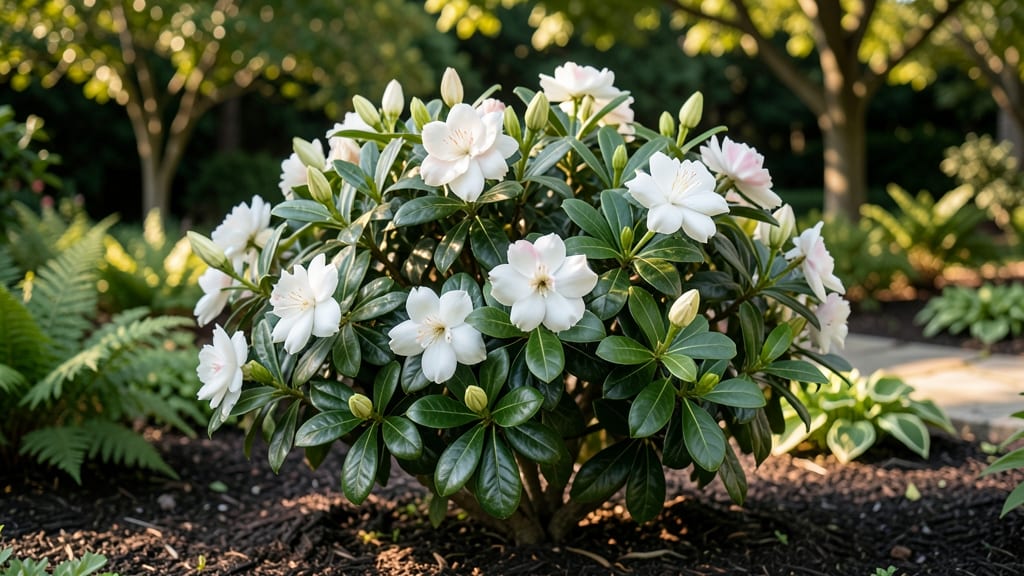
A gardenia bush height of 3 to 6 feet is the natural range, but that doesn’t mean you’re stuck with a towering shrub 🌸 — especially if you value blooms over vertical growth.
Struggling to keep your gardenia bush from towering over your garden? Overgrowth can mean fewer blooms and a messy appearance—but with the right pruning techniques, you can control height and maximize fragrant flowers.
Most gardeners assume taller bushes mean more blooms, but the truth is that selective pruning in spring encourages bushier growth and bigger flowers. Whether you’re working with a dwarf variety (2–3 ft) or a standard (4–6 ft), the key is timing and technique.
In this guide, I’ll walk you through how to prune for compact growth, when to cut back without sacrificing blooms, and the 5 mistakes that stunt height instead of controlling it.

How tall do gardenia bushes grow naturally (and when to prune for height control)
If you’ve ever wondered, "How tall do gardenia bushes grow?" the answer depends on the variety and growing conditions. Most gardenia bushes reach a mature height of 3 to 6 feet when planted in the ground, with dwarf varieties staying compact at just 2 to 3 feet.
Understanding these natural growth patterns helps you plan spacing and pruning strategies to keep your gardenia looking its best without sacrificing those iconic fragrant blooms.
Pruning is key to controlling height, but timing matters. The ideal window for pruning gardenia bushes is in late winter or early spring, just as new growth begins. This ensures you encourage fresh blooms while shaping the plant.
Aggressive pruning in fall or winter can shock the plant and reduce next year’s flowers, so patience and timing are everything.
Here’s a quick look at how gardenia height varies by type and what to expect as your plant matures:
| Variety | Mature Height | Growth Rate (Per Year) | Best Pruning Time |
|---|---|---|---|
| Standard Gardenia (e.g., 'Kleim’s Hardy') | 4–6 ft | 12–18 inches | Late winter/early spring |
| Dwarf Gardenia (e.g., 'Radicans') | 2–3 ft | 6–12 inches | Late winter/early spring |
| Semi-Dwarf Gardenia (e.g., 'Veitchii') | 3–4 ft | 10–14 inches | Late winter/early spring |
When pruning gardenia bushes, aim to remove no more than 1/3 of the oldest stems at a time. This encourages bushier growth and prevents overcrowding, which can lead to fewer blooms.
If you’re dealing with a standard gardenia that’s reaching 6 feet or taller, focus on trimming the top growth to redirect energy toward side branches and new flowers.
One common misconception is that pruning gardenia bushes too aggressively will boost bloom production. In reality, over-pruning can stress the plant, leading to fewer flowers the following season. The goal is to shape the plant while preserving its natural ability to produce those scented white blooms that gardeners love.
Think of pruning as a conversation with your gardenia—you’re guiding its growth, not forcing it.
For container-grown gardenias, height control is even more critical since space is limited. Use dwarf varieties or prune regularly to keep them under 3 feet tall. Containers also dry out faster, so combine pruning with consistent watering and acidic fertilizer to support compact growth.
A well-pruned potted gardenia can thrive on a patio or balcony while still filling your space with fragrance.
If your gardenia bush is younger than 3 years old, resist the urge to prune heavily. Young plants establish roots and energy reserves that fuel future growth and blooming. Instead, focus on light shaping and removing only dead or crossing branches.
This approach ensures your gardenia reaches its full potential height while maintaining a healthy structure for years to come.
Another tip: Prune after flowering if you notice leggy growth. This late-summer trim can encourage a fresh round of blooms before winter. Just avoid cutting back into old wood, as gardenias bloom on new growth.
Always use clean, sharp pruners to make clean cuts and reduce the risk of disease. A little care now means more blooms—and less frustration—later.
Remember, gardenia bushes thrive in partial shade and acidic soil. If your plant isn’t growing as expected, check these conditions first. Poor soil or too much sun can stunt growth, making pruning less effective.
Amend the soil with peat moss or compost and consider moving your gardenia to a shadier spot if leaves start yellowing or scorching.
With the right approach, your gardenia bush will stay at your desired height while still rewarding you with lush foliage and intoxicating fragrance.
Start with the right variety, prune at the right time, and give it the right care, and you’ll enjoy a compact, blooming beauty for seasons to come. 🌸
Step-by-step pruning guide to reduce gardenia bush height without killing blooms
Pruning your gardenia bush to control height doesn’t have to mean sacrificing those fragrant blooms you love. The key is selective pruning—targeting the oldest stems while preserving new growth. By removing 1/3 of the oldest wood in late winter or early spring, you encourage a bushier shape and more flowers.
This method works for both standard gardenias (4-6 ft) and dwarf varieties (2-3 ft), ensuring your plant stays compact without stress.
Before you start, gather your tools: sharp bypass pruners, sterilized alcohol wipes, and gardening gloves. Sterilizing your tools prevents spreading disease between cuts. Look for dead or crossing branches—these should be removed first, regardless of height goals.
Healthy stems will have green bark and buds along the length, while dead ones are brown, brittle, or hollow. Prune just above a leaf node or outward-facing bud to encourage growth in the right direction.
🌿 Step-by-Step Pruning Guide
- Step 1: Identify stems to remove—focus on the 3 oldest, thickest stems (about 1/3 of total). These are usually woody and less flexible than newer growth.
- Step 2: Cut at a 45-degree angle 1/4 inch above a leaf node or outward-facing bud. This promotes healthier regrowth and better airflow.
- Step 3: Remove only 1/3 of the bush’s height—never prune more than 30% of the plant at once. For a 6-foot gardenia, aim to reduce height by 1-2 feet per pruning session.
- Step 4: Thin out crowded branches to improve air circulation and reduce disease risk. Look for crossing or rubbing stems—these should be pruned back to the nearest healthy bud.
- Step 5: Clean up debris immediately after pruning to prevent fungal infections. Dispose of clippings in a sealed bag or compost pile (if disease-free).
After pruning, your gardenia bush will need extra care to bounce back strong. Water deeply the day after pruning to help the plant recover, and apply a balanced, acidic fertilizer (like 10-10-10) 2-3 weeks later.
This encourages new growth and bloom production. Avoid fertilizing in fall or winter, as gardenias enter a dormant phase and don’t need extra nutrients.
Monitor your gardenia for new shoots within 4-6 weeks. If you see weak or leggy growth, it’s a sign you pruned too aggressively. In this case, reduce future cuts by 10-15% and focus on thinning branches rather than height reduction.
For container gardenias, prune slightly more conservatively—these plants have limited root space and recover slower.
Prune again in early summer if needed, but avoid heavy cuts after mid-July. Late-summer pruning can delay flowering for next year, as gardenias set flower buds in late summer/fall. With the right timing and technique, your gardenia bush will stay compact, healthy, and blooming all season long.
Remember, the goal isn’t just to reduce height—it’s to encourage a fuller, more vibrant plant. By pruning selectively and caring for your gardenia post-cut, you’ll enjoy more blooms and a neater appearance without sacrificing the plant’s health. Happy pruning! 🌸