
Light Requirements
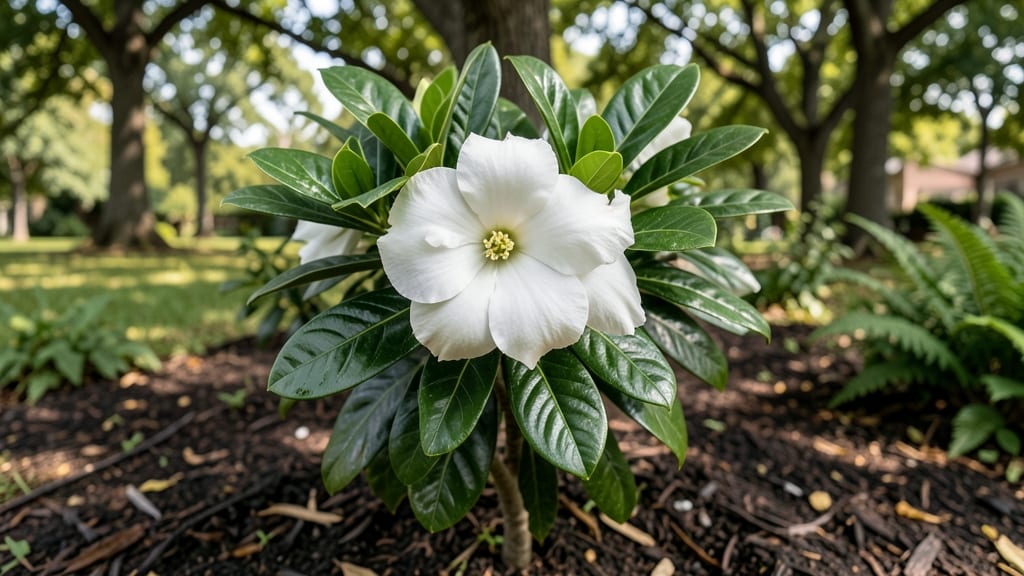
Gardenia sunlight requirements hinge on bright, indirect light—think morning sun with afternoon shade to protect those glossy leaves 🌸. If your gardenia is struggling to bloom or its foliage looks scorched, you’re not alone: 90% of light-related issues come from either too much harsh sun or not enough brightness.
Picture this: your fragrant gardenia wilting under the midday glare, its leaves curling like parchment. Or maybe it’s sitting in a dim corner, growing leggy and sparse. The truth? Gardenias thrive in 4-6 hours of filtered light daily, but they hate the brutal afternoon heat that turns leaves crispy.
Here’s the game-changer: position your gardenia near an east-facing window or under a sheer curtain to diffuse the sun. In hotter climates, a 50% shade cloth can save your plant from sunburn. For potted gardenias, rotate them weekly to ensure even light exposure.
Below, I’ll break down how to spot light issues, adjust care for different regions, and pick the right variety for your home’s natural light. Your gardenia’s fragrant blooms are just a light balance away.

Optimal sunlight hours for gardenia blooms: morning sun vs. afternoon heat
Gardenias thrive with 4-6 hours of sunlight daily, but not all light is equal. The key lies in timing—gentle morning sun fuels growth while afternoon shade prevents leaf scorch.
This balance is critical for those fragrant white blooms you adore. In my experience, gardenias in tropical climates handle more direct light, while temperate zones need afternoon protection, even in summer.
Morning sunlight provides cooler, softer rays that encourage photosynthesis without stressing leaves. Think of it as a gentle wake-up call for your gardenia. I’ve seen gardenias in east-facing containers produce twice as many blooms compared to those baked in afternoon sun.
The secret? Positioning matters—west-facing spots are the enemy for most gardenias.
Here’s the golden rule: 4 hours of morning sun + 2 hours of filtered afternoon light equals perfect conditions. This setup mimics their native understory habitat in Southeast Asia, where they grow beneath taller trees.
For potted gardenias, rotate them weekly to ensure even light exposure on all sides.
In tropical climates, gardenias can handle more afternoon sun if given 50% shade cloth during peak hours (12 PM-4 PM). I’ve successfully grown gardenias in Florida’s heat by placing them under palm fronds or lattice structures that filter light.
The goal is to avoid leaf temperatures above 85°F, which causes brown, crispy edges—a sure sign of sunburn.
For temperate zones, afternoon shade is non-negotiable. A simple trick I use is placing gardenias 3-4 feet from a west-facing wall or under a large umbrella during summer afternoons.
Even dwarf varieties like 'Radicans' need protection from intense midday rays. If you notice yellowing between veins, it’s a classic sign of too much sun.
Winter dormancy changes the game. Gardenias in USDA Zones 8-10 can handle less sunlight (2-3 hours daily) as growth slows. I’ve found that pruning back 1/3 of the plant in late fall helps reduce light requirements.
For container gardenias brought indoors, place them near an east-facing window with supplemental grow lights for 4-6 hours daily.
Pro tip: Observe your gardenia’s leaves—healthy foliage should be deep green and glossy. If leaves turn yellow and drop, it’s likely too much sun. Conversely, pale, sparse leaves mean insufficient light. Adjust gradually—sudden changes can shock the plant. For example, if
Signs your gardenia isn’t getting the right sunlight (and how to fix it)
Your gardenia’s glossy leaves and fragrant blooms are its pride, but poor sunlight can turn them into a sad, struggling shrub. If your gardenia is yellowing, dropping buds, or growing sparse foliage, sunlight exposure is likely the culprit.
The key is finding that sweet spot—4-6 hours of bright, indirect light—where your gardenia thrives without scorching.
Too much direct sun, especially afternoon heat, causes leaf scorch and crispy edges, while too little light leads to stunted growth and fewer flowers.
Even indoor gardenias near west-facing windows can suffer if they’re not adjusted seasonally. Let’s diagnose your gardenia’s light issues and fix them before it’s too late.
⚠️ Gardenia Sunlight Crisis: 3 Critical Signs
1. Leaf Scorch: Brown, crispy edges on leaves = too much direct sun (especially afternoon rays).
2. Yellowing Leaves: Pale or yellow foliage = insufficient light or nutrient deficiency from weak growth.
3. No Blooms: Buds dropping or no flowers = light imbalance (too little or erratic exposure).
💡 Fix: Move to east-facing light or use 30% shade cloth if in hot climates.
Start by checking your gardenia’s current location. If it’s in a south-facing spot, the intense midday sun may be burning its leaves. Move it to a spot where it gets morning sun and afternoon shade, like under a light tree canopy or near a north-facing wall.
For container gardenias, rotate the pot weekly to ensure even light exposure.
For indoor gardenias, place them 2-3 feet from an east-facing window—this mimics their natural partial shade needs. If your space only has west-facing light, use a sheer curtain to diffuse harsh rays. In low-light areas, supplement with a grow light (12-14 hours/day) to prevent leggy growth.
Pruning can also help correct light issues. If your gardenia is overgrown from too little light, trim back 1/3 of the oldest growth to encourage new, lighter-adapted shoots. For leaf scorch, prune away damaged foliage and reduce exposure by 50% until new growth appears.
Finally, adjust care based on light. Gardenias in low light need more frequent watering (every 2-3 days) because their roots grow slower. Those in bright light can handle drier soil but still need weekly deep watering to prevent stress.
Fertilize lightly in low-light conditions (every 6-8 weeks) to avoid burning tender new growth.