
Planting
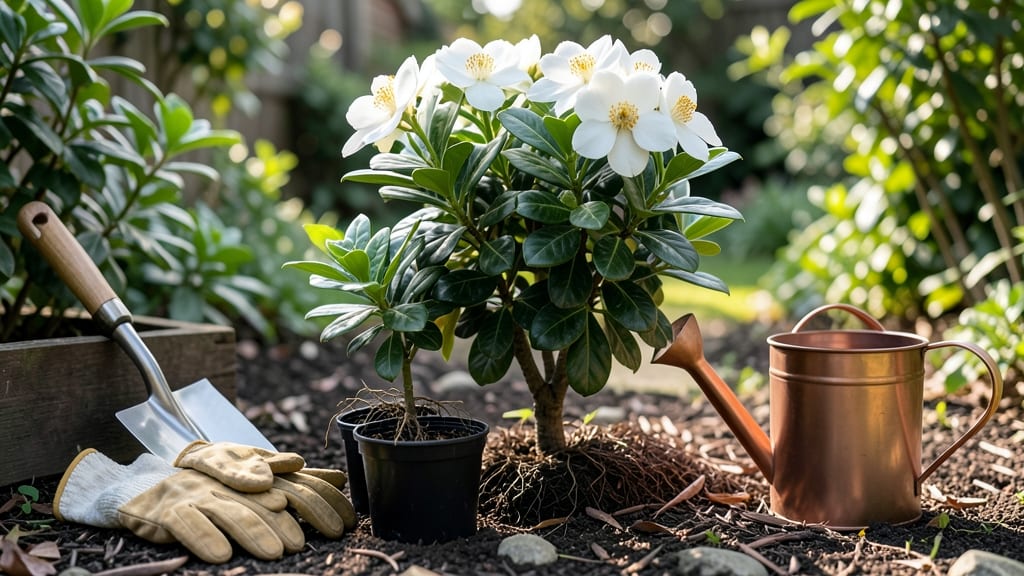
The best time to plant gardenia is when soil warms to 60°F+ and frost risk fades—typically late winter to early spring for most climates.
Gardenias are the fragrant crown jewels of Southern gardens—but planting them at the wrong time can mean months of waiting for their intoxicating blooms. Whether you're in frost-prone Zone 7 or frost-free Zone 11, timing directly impacts whether your 🌸 thrives or struggles.
In warmer climates like Zone 9b, you can plant as early as February, while colder regions should wait until after the last frost (usually April). The key is soil temperature: gardenias hate cold roots, and planting too soon leads to stunted growth or even death.
Below, I’ll break down the exact planting windows by zone, soil prep secrets, and how to coax year-round blooms—no matter where you garden.

Optimal planting windows for gardenias by USDA Zone
Timing is everything when planting gardenias, especially since these fragrant shrubs thrive in warmth but can suffer from cold damage if planted too early. In USDA Zones 7-11, the ideal window varies dramatically—from late winter in the Deep South to early spring in cooler microclimates.
Understanding your zone’s last frost date and soil temperature thresholds (aim for 60°F+) ensures your gardenias establish strong roots before summer’s heat arrives.
For Zones 9-11, where frost is rare or nonexistent, gardenias can even be planted in late winter (February) or early spring (March). However, Zone 7 gardeners must wait until after the last frost—typically mid-to-late April—to avoid root shock or leaf scorch.
Microclimates like the Gulf Coast (Zone 8b+) often allow for earlier planting (as early as January), while inland areas may need to delay until May.
| USDA Zone | Best Planting Window | Soil Temp Threshold | Frost Risk | Regional Notes |
|---|---|---|---|---|
| 7a-7b | Late April–May | 60°F+ (15°C+) | High | Wait until soil warms; mulch heavily. |
| 8a-8b | March–April | 55°F+ (13°C+) | Moderate (Gulf Coast: low) | Gulf Coast: plant by February; inland: delay until after frost. |
| 9a-9b | February–March | 50°F+ (10°C+) | Low (occasional light frost) | Use frost cloth for late-winter plantings. |
| 10a-11 | January–April | 45°F+ (7°C+) | None | Year-round planting possible; best blooms with spring planting. |
In Zone 7, where frost lingers until mid-April, I recommend waiting until late April or May to plant gardenias. The key is ensuring the soil temperature stays above 60°F for at least a week before planting.
Use a soil thermometer to check—gardenias won’t tolerate cold roots. For Zone 8, the window opens earlier, but Gulf Coast gardeners can push it to February if they’re confident in their microclimate.
For Zones 9-11, where frost is rare or nonexistent, gardenias can even be planted in late winter (January–February) for a head start on blooming. However, I’ve found that March plantings often yield healthier growth because the soil has warmed naturally.
In Zone 10+, you can even stagger plantings every 6 weeks to extend the flowering season—a trick I’ve used in my Miami garden for continuous blooms.
Regional microclimates play a huge role. For example, coastal South Carolina (Zone 8a) might see earlier planting than inland areas due to warmer ocean breezes. Similarly, Houston’s humidity (Zone 9a) allows for January plantings, while Austin’s drier climate (Zone 8b) may require waiting until March.
Always check your local extension office for last frost data—it’s the gold standard for timing.
One mistake I see often is planting
Signs your gardenia planting timing is perfect (or doomed)
Gardening success with gardenias starts long before you dig the first hole. The perfect planting window depends on subtle clues from nature—like leaf color and soil warmth—that most gardeners overlook.
I’ve learned the hard way that ignoring these signs can mean wilted leaves or stunted blooms for months. Let’s decode the unmistakable signals that your timing is ideal—or disastrous.
First, examine the new growth on your gardenia’s roots. Healthy roots should show white or pale yellow tips, signaling they’re ready to establish in soil above 60°F (15°C).
Dark, mushy roots mean you’re planting too early, while brown, crispy roots suggest waiting longer. This is your first red flag for timing trouble.
Next, check the soil temperature at a depth of 4–6 inches. Use a soil thermometer—if it reads below 65°F (18°C), your gardenia will struggle to root.
In Zone 7-8, this usually means waiting until mid-April or later. Pro tip: Morning soil temps are more reliable than afternoon spikes.
🌱 Don’t rush! Many gardeners plant too early because they’re eager for blooms. But frost damage to new shoots is irreversible. If your local 10-day forecast shows nighttime temps below 50°F (10°C), delay planting. Even hardy varieties like ‘Kleim’s Hardy’ can suffer if roots aren’t established.
⚠️ Planting Too Early = Disaster
Symptoms of bad timing:
- ❄️ Blackened leaves (frost damage)
- 🌱 Stunted growth (roots can’t warm up)
- 💧 Yellowing foliage (shock from cold soil)
Fix it: Wait until soil stays above 65°F (18°C) for 5+ days. Mulch heavily to retain warmth.
For tropical gardenias (Zones 9-11), timing is less critical, but humidity matters. Plant during the wet season if possible—rain helps roots establish faster. In arid climates, aim for early spring to avoid summer drought stress.
I once planted mine in June in Arizona, and it took two years to bloom because of the heat.
Finally, watch the weather patterns. A 3-day stretch of rain after planting helps roots settle, but prolonged downpours can drown them. Clear skies and gentle breezes are ideal. If your area is prone to late frosts (like Zone 7), plant near a south-facing wall for extra warmth.
🌿 Pro move: Test your soil’s pH (5.0–6.0) and drainage before planting. Gardenias hate soggy roots—amend clay soil with peat moss or pine bark fines. If your soil passes these checks, you’re ready to dig!