
Pruning
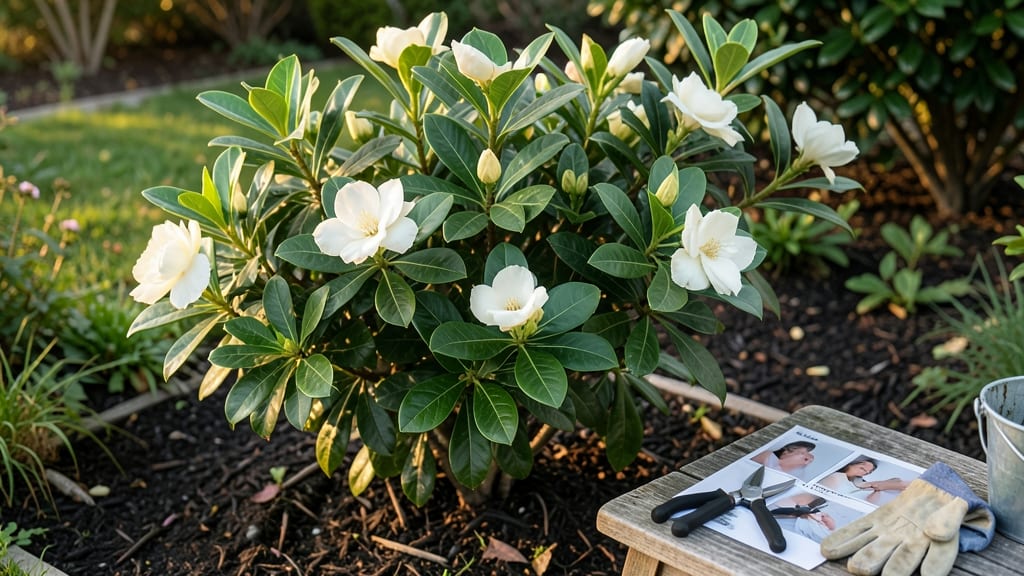
Trimming gardenias at the best time ensures lush blooms and healthy growth 🌸—and late winter is the key to unlocking their full potential.
Struggling to keep your gardenias blooming beautifully? The secret lies in timing—prune at the wrong season, and you risk stunted growth or fewer flowers. If you’ve ever watched your gardenias put out sparse blooms or leggy branches, you know how frustrating it can be.
Late winter, just as new growth begins but before spring’s rush, is when gardenias respond best to pruning. This timing helps shape the plant for stronger blooms while avoiding the stress of cutting into dormant wood.
For gardeners in USDA zones 9-11 (or those keeping them indoors year-round), this window typically falls between February and early March.
In this guide, I’ll walk you through the exact steps to trim your gardenias for maximum blooms, including how to spot the ideal moment, what tools to use, and how to avoid common mistakes that can leave your plant looking ragged. Let’s get those gardenias thriving again!
When to prune gardenias for maximum blooms: late winter timing explained
If your gardenias are struggling to produce those fragrant, creamy-white blooms, the issue might be when (or if) you're pruning them. The best time to trim gardenias isn't just any season—it's a late winter window that balances dormancy and new growth.
This precise timing ensures your plant redirects energy toward more flowers and healthier foliage come spring.
Gardenias thrive in USDA zones 7-10, but their pruning schedule shifts slightly depending on your climate. In colder zones (7-8), aim for late February to early March when frost risk fades. Warmer zones (9-10) can prune as early as January, but only if no frost is forecasted.
The key is to catch your gardenia just as it wakes from dormancy—look for swollen leaf buds or tiny green shoots peeking through.
Why late winter? Pruning too early (winter) risks damaging new growth from unexpected frosts. Pruning too late (spring) steals energy from bloom development. The 4-6 week window before spring growth ensures your gardenia has time to recover and set buds for summer blooms.
Think of it as giving your plant a fresh start before the growing season kicks in.
🌱
Spotting the perfect pruning moment is easier than you think. Start by inspecting your gardenia's leaf nodes—these are the small bumps where leaves or branches grow. When you see swollen buds (about the size of a pea) but no new leaves, it's time to prune.
Another telltale sign? Dormant branches look woody and bare, while active growth shows tiny green tips.
In USDA Zone 9b (like Florida or Southern California), I prune my gardenias in early February because the average lows are consistently above 45°F. I wait until I see 2-3 buds on each branch—this guarantees the plant will rebound quickly with new growth and more blooms by summer.
If you're in a cooler microclimate (like a high-elevation Zone 9), push pruning to mid-March to avoid frost damage.
One common mistake is pruning based on calendar dates instead of plant signals. For example, I've seen gardeners in Zone 10 prune in December because "it's winter," only to watch their plant struggle when cold snaps hit.
Always check the forecast and observe your plant—never assume a season is "safe" without verifying.
If you're unsure whether your gardenia is ready, do a quick test: Gently rub a dormant branch between your fingers. If it feels slightly soft (like a green pencil eraser), it's waking up.
If it's hard and dry, wait another 2-3 weeks. This simple trick saves weeks of recovery time and ensures your cuts encourage growth, not stress.
For container-grown gardenias, timing is even more critical because they heat up faster in pots. Prune 1-2 weeks earlier than in-ground plants—by late January in most zones—to account for their faster metabolic response.
After pruning, move pots to a slightly cooler spot (like a garage or shaded patio) for 3-5 days to help them recover before returning to full sun.
Remember, the goal of late winter pruning is to shape your gardenia while maximizing next season's blooms. By trimming at the right time, you're not just cleaning up your plant—you're setting the stage for a showstopping summer display.
With the right timing, your gardenias will thank you with double the flowers and lush, glossy leaves.
✂️
Step-by-step guide to pruning gardenias without killing the plant
Pruning your gardenia correctly is the difference between a shrub bursting with fragrant blooms and one struggling to recover. The key is precision—cutting in the right places while preserving the plant’s energy.
Start by gathering your tools: sterilized pruners, a sharp saw for thicker branches, and a disinfectant to prevent disease spread.
Before you begin, inspect your gardenia for dead or diseased branches. These are easy to spot—they’re brown, brittle, or lack leaves. Remove these first, as they drain energy from healthy growth.
Next, look for crossing branches or those growing inward; these compete for sunlight and air circulation, increasing disease risk.
⚠️ Critical Timing Alert!
Never prune gardenias in late summer or fall—this triggers new growth that won’t harden off before winter. The best time to trim is late winter (just as leaf buds swell) or early spring (after last frost). In warmer zones (USDA 9-11), prune in February-March; in cooler zones, wait until April.
When making cuts, aim for a 45-degree angle just ¼-inch above a leaf node. This encourages outward growth and prevents water from pooling on the stem. For thicker branches, cut in three stages: first undercut, then top-cut, and finally smooth the edge.
Avoid topping (cutting the top flat)—this stresses the plant and reduces blooms.
Limit your pruning to no more than 1/3 of the plant’s foliage. Over-trimming shocks gardenias, leading to fewer blooms or even defoliation. Focus on shaping the shrub while maintaining its natural form. If your gardenia is overgrown, spread the pruning over 2-3 years to avoid stressing it.
After pruning, clean up fallen debris and apply a 2-inch layer of mulch around the base. This retains moisture and suppresses weeds. Water deeply but avoid soaking the cuts, as this can introduce rot. In 2-3 weeks, fertilize with a low-nitrogen, high-phosphorus formula (like 5-10-10) to encourage blooming.
Watch for new growth within 4-6 weeks—a sign your gardenia is recovering. If you see yellowing leaves or stunted growth, you may have pruned too late or too aggressively. Adjust next year’s cuts accordingly. With proper timing and technique, your gardenia will reward you with show-stopping blooms all season long.