Tools
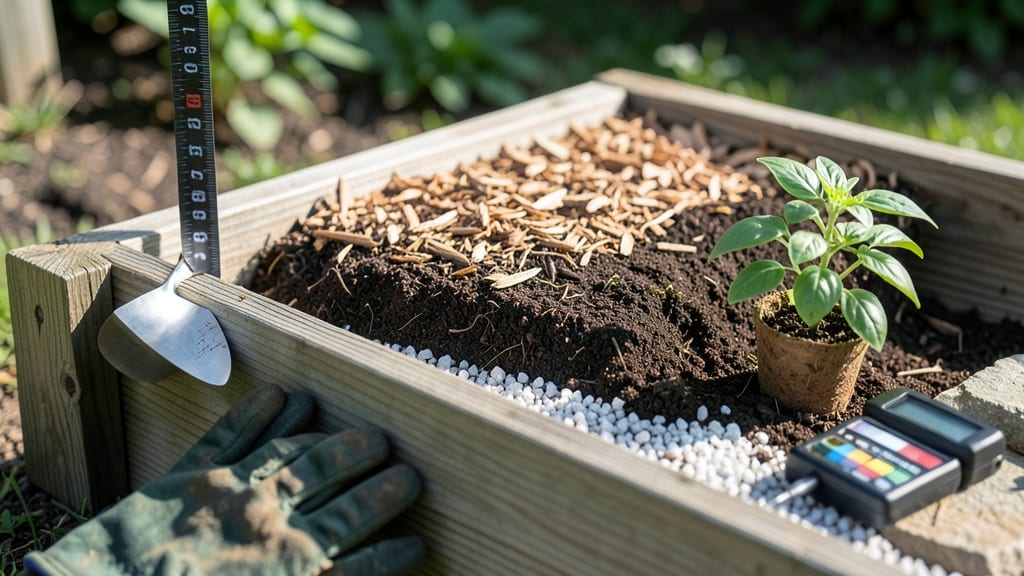
The right raised garden bed soil depth is the foundation of a thriving harvest—too shallow, and your plants will fight for space; too deep, and you’re wasting resources.
Struggling to grow lush vegetables in your raised garden beds? The secret isn’t just the soil mix—it’s the depth that determines whether your plants thrive or struggle.
Most vegetables need at least 6–12 inches of soil to stretch their roots, but root crops like carrots or potatoes demand even more—up to 18 inches for full growth. Without enough space, your plants crowd, compete for nutrients, and produce smaller yields.
In this guide, I’ll break down the ideal soil depth for every plant type, how to layer your bed for maximum root space, and the common mistakes that stifle growth—so you can build a bed that sets your garden up for success.
How deep should raised garden bed soil be for root growth?
When building a raised garden bed, soil depth isn’t just about aesthetics—it’s the foundation for healthy roots and bountiful harvests. Most vegetables need at least 6-12 inches of soil to thrive, but root crops like carrots or potatoes demand 12-18 inches to grow properly.
Shallow beds stunt growth, while deeper beds prevent root competition. The key is matching soil depth to your plants’ needs while ensuring proper drainage and aeration.
Think of your raised bed like a vertical ecosystem. The top 6 inches support surface roots and microbes, while deeper layers provide space for taproots to anchor. Without enough depth, plants struggle to access water and nutrients, leading to weak stems and poor yields.
For example, lettuce might grow in 6 inches, but potatoes need 12+ inches to bulb properly. Let’s break down the science and how to calculate the perfect depth for your garden.
🌱 Did You Know? A 12-inch-deep bed can increase vegetable yields by up to 30% compared to shallower beds, thanks to improved root development and moisture retention.
| Plant Type | Minimum Soil Depth | Ideal Depth | Notes |
|---|---|---|---|
| Leafy Greens (Lettuce, Spinach) | 6 inches | 8-10 inches | Shallow roots; avoid compaction |
| Herbs (Basil, Parsley) | 6 inches | 8-12 inches | Moderate root depth; well-draining soil |
| Root Crops (Carrots, Potatoes) | 12 inches | 16-18 inches | Deep taproots; loose, rocky-free soil |
| Tomatoes, Peppers | 10 inches | 12-14 inches | Sturdy stems; support stakes |
| Shallow Bulbs (Onions, Garlic) | 6 inches | 8 inches | Avoid deep planting; harvest early |
| Deep Bulbs (Asparagus) | 12 inches | 18+ inches | Perennial roots; long-term investment |
To calculate the ideal bed height, start with your tallest plants. For example, if you’re growing 18-inch-tall tomatoes alongside 12-inch carrots, aim for a 16-inch soil depth. Add 2-4 inches of extra space for mulch or compost on top.
Pro tip: Use landscape fabric at the bottom to block weeds while allowing drainage—this preserves your precious soil depth for roots.
Poor drainage is another silent killer of shallow beds. If your bed lacks 4-6 inches of drainage space beneath the soil (e.g., gravel or perforated pipes), roots suffocate when water pools.
Test drainage by filling a hole with water—if it drains in under 30 minutes, you’re good. If not, add a 2-inch gravel layer at the bottom before filling with soil.
Don’t overlook the soil composition itself. A mix of 60% topsoil, 30% compost, and 10% perlite ensures loose, aerated soil that roots love. For heavy clay soils, add sand or coconut coir to improve structure.
Remember, amending soil is easier (and cheaper) than digging deeper later. Start with a 12-inch base layer of quality soil, then top-dress with compost as plants grow.
For container-style raised beds (under 12 inches deep), focus on shallow-rooted plants like strawberries, radishes, or green onions. If you’re determined to grow deeper crops, consider stacked beds or deep pockets (like trench-style beds) to give roots the space they need.
Just be prepared for more frequent watering—shallow beds dry out faster.
Finally, rotate crops annually to prevent soil
Common mistakes that ruin raised bed soil depth (and how to fix them)
Even with the best soil mix, raised bed soil depth can make or break your garden. I’ve seen gorgeous beds fail because of simple mistakes—like cramming too many plants into shallow soil or ignoring drainage. These errors can stunt growth, invite pests, or even kill your plants before they mature.
One of the biggest culprits? Insufficient depth for root crops. Carrots and potatoes need 12–18 inches of soil to develop properly, yet many gardeners stop at 6–10 inches.
That’s like giving a toddler a tiny bed—they’ll just sprawl out and struggle. Let’s fix these common pitfalls before your next planting season.
⚠️ 3 Critical Mistakes That Waste Your Soil Depth
- Shallow beds (<6 inches) force roots to compete for space, stunting growth.
- Poor drainage from compacted soil or no gravel base causes rot and fungal issues.
- Overcrowding plants leads to shallow root systems and increased disease risk.
Fix: Adjust bed height, add drainage layers, and space plants by their mature size.
Let’s start with the most glaring issue: underestimating root space. I’ve seen gardeners plant potatoes or parsnips in beds that are only 8 inches deep. These crops need room to grow—up to 12 inches for parsnips and 18 inches for potatoes.
If you’re set on growing them, consider a deeper bed or a separate trench.
Another silent killer is compacted soil. Some gardeners fill raised beds with garden soil straight from the yard, which can be heavy and clay-like. This suffocates roots and blocks water flow.
The fix? Amend with compost and perlite to create a fluffy, well-aerated mix. I swear by a 60% topsoil, 30% compost, and 10% perlite blend for my beds.
Don’t forget about drainage layers. Many raised beds fail because they lack a gravel or landscape fabric base. Without it, water pools at the bottom, leading to root rot.
I always add a 2-inch layer of gravel at the bottom before filling with soil. It’s a small step that prevents a world of problems.
Finally, overcrowding turns your raised bed into a battleground for nutrients. Plants like basil and lettuce need only 6–12 inches of space, but if you pack them too closely, their roots will tangle and compete.
Check seed packets for spacing guidelines—it’s the difference between a thriving bed and a sad, stunted one.
By fixing these mistakes, you’ll give your plants the root space and drainage they need to flourish. Start with a soil depth of at least 12 inches for most veggies, and adjust for deeper-rooted crops. Your garden will thank you with bigger harvests and happier plants! 🌱