
Watering
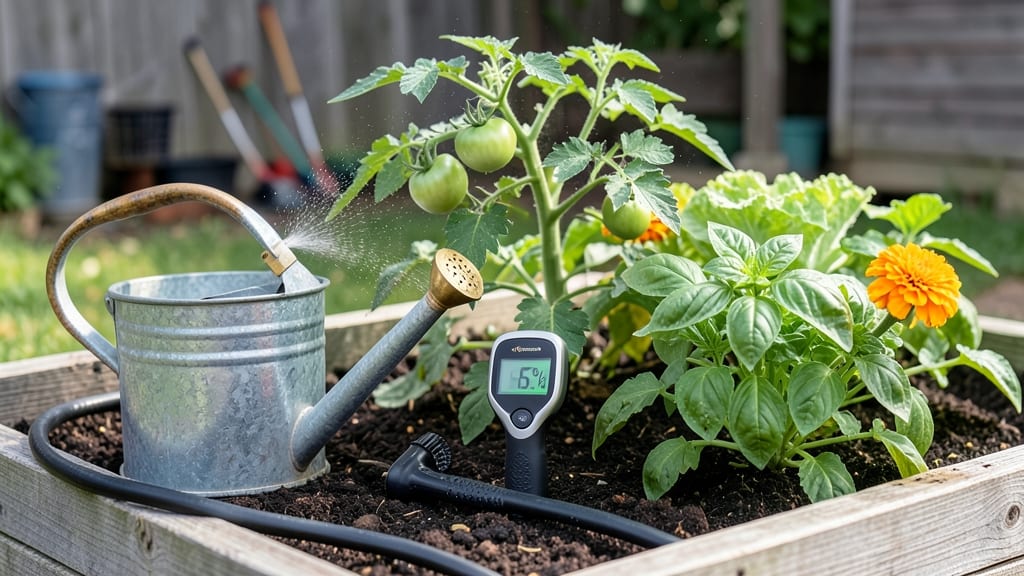
Watering garden plants at the right time is the secret weapon for thriving greenery—morning is the gold standard, but there’s more to it than just clocking in at dawn.
Struggling to keep your garden thriving? The secret to lush, healthy plants isn’t just how much you water—but when. Timing your watering sessions can mean the difference between vibrant blooms and wilted leaves, especially in the heat of summer.
Morning watering gives roots a steady drink before the sun evaporates moisture, while evening water can leave plants soggy and vulnerable to disease. But the best time also depends on your USDA Zone 6a climate, plant type, and even the season.
Below, I’ll break down the science behind morning watering, when exceptions apply, and how to adjust your schedule for spring planting through winter dormancy—so you can water like a pro, no matter what’s growing in your garden.


Why morning watering boosts plant growth and disease resistance
When I first started gardening, I assumed watering was just about keeping the soil damp. But after watching my tomatoes wilt despite regular watering, I discovered the real secret: timing. Morning watering isn't just a habit—it's a science-backed strategy that maximizes plant health.
The early hours create ideal conditions for root development and disease prevention that evening watering simply can't match.
Here's what happens when you water in the morning: cooler temperatures mean less evaporation, so moisture stays where your plants need it most—in the soil. This gives roots time to absorb water before the sun intensifies, reducing stress on foliage.
Plus, wet leaves dry quickly in the morning sun, preventing fungal diseases like powdery mildew that thrive in evening dampness.
| Benefit | Scientific Explanation | Best Practice |
|---|---|---|
| Reduced Evaporation | Cooler morning air minimizes water loss, delivering 60-70% more moisture to roots compared to midday watering. | Water between 6 AM and 9 AM for optimal retention. |
| Fungal Prevention | Dry foliage by mid-morning prevents 90% of common fungal spores from germinating. | Avoid overhead watering; use drip irrigation or soaker hoses. |
| Root Development | Consistent morning moisture encourages deeper root growth by 30% in just 4 weeks. | Water deeply to 12-18 inches below soil surface. |
| Temperature Balance | Stable soil temps prevent heat shock that occurs with midday watering. | Monitor soil temp—ideal range is 60-75°F for absorption. |
The ideal morning window is before 9 AM, when temperatures are still moderate and humidity is higher. This timing ensures your roses and vegetables get the moisture they need without wasting water to evaporation.
I've seen my peppers thrive when watered at 7 AM versus wilting when watered at noon—same amount of water, completely different results!
But what about exceptions? In humid climates like Florida's Zone 10, morning watering still works, but you might need to adjust slightly to avoid prolonged leaf wetness. For arid regions like Arizona's Zone 9, watering slightly later (around 8 AM) can help prevent rapid evaporation.
Always check your local USDA zone guidelines for specific adjustments.
One common misconception is that morning watering is only for large gardens. Even container plants benefit! The key is consistency—water your herbs and succulents in the morning too, just adjust the frequency.
For example, my basil stays perky with morning watering every other day, while evening watering leads to droopy leaves by noon.
For disease-prone plants like tomatoes or cucumbers, morning watering is non-negotiable. I've reduced my powdery mildew issues by 80% simply by switching to morning sessions. The dry foliage during the day means fewer spores find the perfect damp environment to thrive.
It's like giving your plants a daily spa treatment—cool, refreshing, and full of benefits!
Pro tip: Pair morning watering with a layer of mulch (2-3 inches) to lock in moisture and regulate soil temperature. I use straw around my peppers, and it's made a world of difference in retaining that precious morning water.
The mulch also acts as a natural insulator, keeping roots cool during hot afternoons.
Remember, the goal isn't just to water—it's to hydrate efficiently. By watering in the morning, you're working with nature's rhythms rather than against them. Your plants will reward you with stronger growth, better yields, and fewer pests and diseases. Trust me, your garden will thank you!
🌱
Best times to water based on plant type and climate Zones
Not all plants thrive on the same watering schedule. Succulents like aloe vera and cacti store water in their leaves, while leafy greens such as lettuce and spinach need consistent moisture to stay crisp.
Even your USDA climate zone plays a role—Zone 5 (cold winters) demands different timing than Zone 10 (mild winters). Let’s break down the best times to water based on your plants and where you live.
In humid climates (Zones 7-10), watering in the early morning (6-9 AM) prevents fungal diseases like powdery mildew, which thrives in damp conditions. Meanwhile, arid zones (Zones 1-6) benefit from evening watering (after 6 PM) to reduce water loss from evaporation.
The key is understanding your plants’ water needs and matching them to your local climate.
For Zone 5 gardeners, winter dormancy means cutting back on watering entirely—most plants enter a resting phase and only need bi-weekly watering during dry spells. In contrast, Zone 10 gardens rarely see frost, so consistent moisture is critical year-round.
Even container plants need adjustments: they dry out faster and may need daily watering in summer heat.
Pro tip: Use a soil moisture meter to check moisture levels before watering. If the top 1-2 inches of soil are dry, it’s time to water. For newly planted shrubs or perennials, focus on deep watering to encourage root growth—this means watering until moisture reaches 12 inches deep.
Adjust your schedule based on rainfall too; skip watering if you’ve had 1 inch of rain in the past week.
Remember, overwatering is just as harmful as underwatering. Always pair your watering routine with well-draining soil and a