
Planting
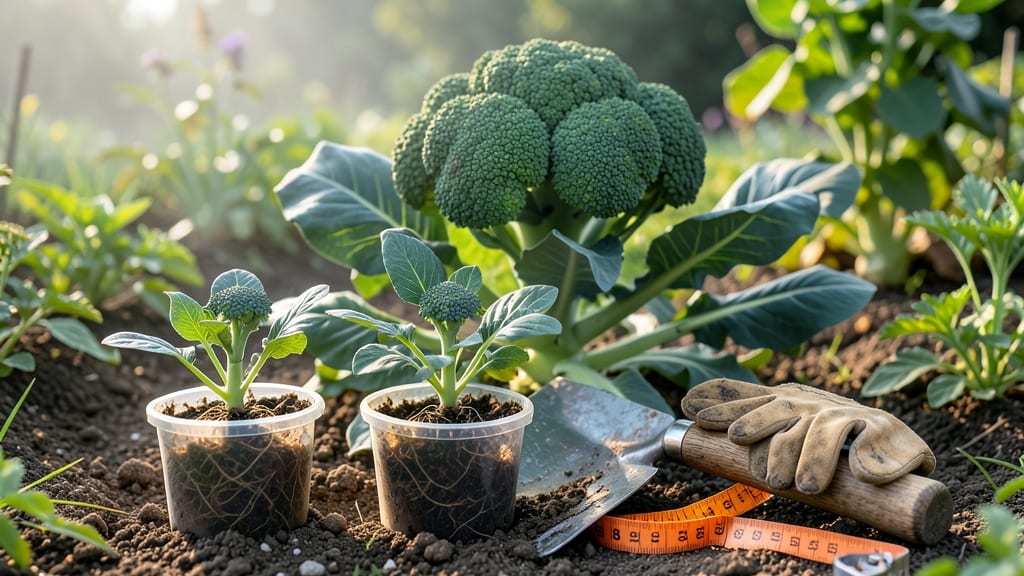
Spacing broccoli in your garden correctly is the key to harvesting those big, juicy heads you’ve been dreaming of — and skipping this step means smaller yields or even wasted space.
Picture this: you’ve spent weeks nurturing your 🥦 seedlings, only to watch them bolt or produce puny heads because they’re fighting for every inch of soil.
That’s not just frustrating—it’s a missed opportunity. The right spacing isn’t just about fitting more plants in; it’s about giving each one room to thrive.
Whether you’re growing calabrese for its towering stalks or sprouting broccoli for side shoots, the distance between plants makes all the difference. Too close, and you’ll battle diseases; too far, and you’ll leave your garden looking sparse.
Below, I’ll break down the exact spacing you need for your variety, plus how to tweak it for containers, poor soil, or small plots.
By the end, you’ll know how to arrange your broccoli for maximum yield, when to thin seedlings, and which companion plants to pair (or avoid) for a thriving garden. Let’s get those heads growing!
Optimal broccoli spacing by variety: crowding vs. isolation
Getting your broccoli spacing right isn't just about fitting more plants—it's about growing bigger, healthier heads. Different varieties have unique growth habits, and crowding one type too closely can stunt its development or invite disease problems.
Whether you're growing calabrese, sprouting broccoli, or purple varieties, the right spacing ensures strong stems and maximum yield.
Broccoli plants need space to develop their central head and side shoots (in sprouting varieties). Too little room leads to nutrient competition, while too much space wastes garden real estate. The key is balancing plant-to-plant distance with row spacing based on the variety's mature size and growth pattern.
For example, compact varieties like 'Little Sprint' can thrive in tighter spaces, while bush types like 'De Cicco' need more room to sprawl.
| Variety Type | Plant-to-Plant Distance | Row Spacing | Mature Height | Head Size | Key Notes |
|---|---|---|---|---|---|
| Calabrese (Standard) | 18-24" | 30-36" | 2-3 ft | 6-8" | Needs full sun; prone to bolting in heat |
| Sprouting (e.g., 'Calabrese Sprouting') | 12-18" | 24-30" | 2-2.5 ft | Multiple 3-4" heads | Produces side shoots; harvest sequentially |
| Purple (e.g., 'Purple Sprouting') | 12-15" | 20-24" | 1.5-2 ft | 4-6" heads | Cold-hardy; great for fall gardens |
| Compact/Dwarf (e.g., 'Little Gem') | 10-12" | 18-24" | 1-1.5 ft | 4-5" | Ideal for containers; harvest early |
| Bush (e.g., 'De Cicco') | 15-18" | 24-30" | 2-2.5 ft | 5-6" heads | Self-branching; produces multiple heads |
Notice how sprouting broccoli and purple varieties can handle closer spacing because they produce multiple harvests. This sequential harvesting makes efficient use of space, while standard calabrese varieties need more room to develop their single large head.
If you're growing multiple varieties together, prioritize taller types (like calabrese) in the north side of your garden to avoid shading shorter plants.
Proper spacing also reduces disease risk. Crowded broccoli plants create poor air circulation, trapping moisture and inviting fungal issues like downy mildew or clubroot. The 18-24 inch spacing recommended for most varieties ensures leaves dry quickly after watering, cutting down on fungal spores.
For humid climates, consider widening your spacing to 24-30 inches to improve airflow.
Another factor is soil fertility. Richer soils allow plants to grow larger, so you can sometimes reduce spacing slightly (e.g., 15 inches instead of 18) if your soil is amended with compost or aged manure.
However, never go below the minimum spacing for a variety—even with perfect soil, plants need room to develop their root systems. For example, 'Little Gem' dwarf broccoli might only need 10 inches between plants, but cramming them into 8 inches will lead to stunted growth.
For container gardening, adjust spacing based on pot size. A 12-inch pot can fit 1-2 compact broccoli plants spaced 8-10 inches apart, while a 15-gallon container can handle 3-4 sprouting varieties spaced 12 inches apart.
Always ensure containers have drainage holes to prevent root rot, which is exacerbated by crowded conditions. In containers, you'll also need to fertilize more frequently since nutrients deplete faster in limited soil volumes.
One common mistake is assuming all broccoli varieties can share the same spacing. For instance, planting 'De Cicco' bush broccoli at the same distance as calab
How to adjust broccoli spacing for soil, climate, and garden layouts
Your broccoli plants need more than just sunlight and water—they need the right space to thrive. In poor soil or humid climates, proper spacing becomes even more critical to prevent disease and maximize yield.
Whether you're working with a small garden or raised beds, adjustments can make all the difference. Let’s explore how to optimize spacing for your unique growing conditions.
In high-humidity areas, broccoli plants benefit from extra space to improve air circulation, reducing the risk of fungal diseases like downy mildew. If your soil is nutrient-poor, wider spacing allows roots to access more soil volume, improving nutrient uptake.
For small gardens, vertical growth techniques like trellising can help you grow more broccoli in less space without sacrificing health or yield.
🌱 Key Adjustments for Broccoli Spacing
| Condition | Spacing Adjustment | Why It Works |
|---|---|---|
| Poor Soil | 18-24 inches apart | Roots access more nutrients |
| High Humidity | 24 inches apart | Improves air circulation |
| Small Garden | Trellis or 12-inch spacing | Saves space vertically |
| Containers | 1 plant per 12-inch pot | Prevents root competition |
💡 Pro Tip: Always thin seedlings to avoid overcrowding, even if you adjust spacing later.
For raised beds, aim for 12-18 inches between plants, but leave 18-24 inches between rows to allow for easier maintenance. If your bed is less than 4 feet wide, consider planting broccoli on one side and companion plants like lettuce or onions on the other.
This interplanting strategy maximizes space while keeping pests at bay.
In containers, broccoli thrives with one plant per 12-inch pot. Use a well-draining potting mix and fertilize every 4-6 weeks to compensate for limited root space. If growing multiple containers, space them 12-18 inches apart to ensure adequate airflow and sunlight penetration.
If your garden is shaded, increase spacing to 24 inches to prevent competition for light. Pair broccoli with shade-tolerant companions like spinach or radishes to make the most of limited sunlight.
For trellising, choose dwarf varieties like 'Calabrese' and train vines upward using a sturdy trellis or cage. This method can double your yield in small spaces.
Always monitor your broccoli’s growth and adjust spacing as needed. If plants start to bolt prematurely or show signs of stress, they may need more room. With these adjustments, you’ll harvest larger, healthier heads regardless of your garden’s challenges. Happy growing! 🌿