Watering
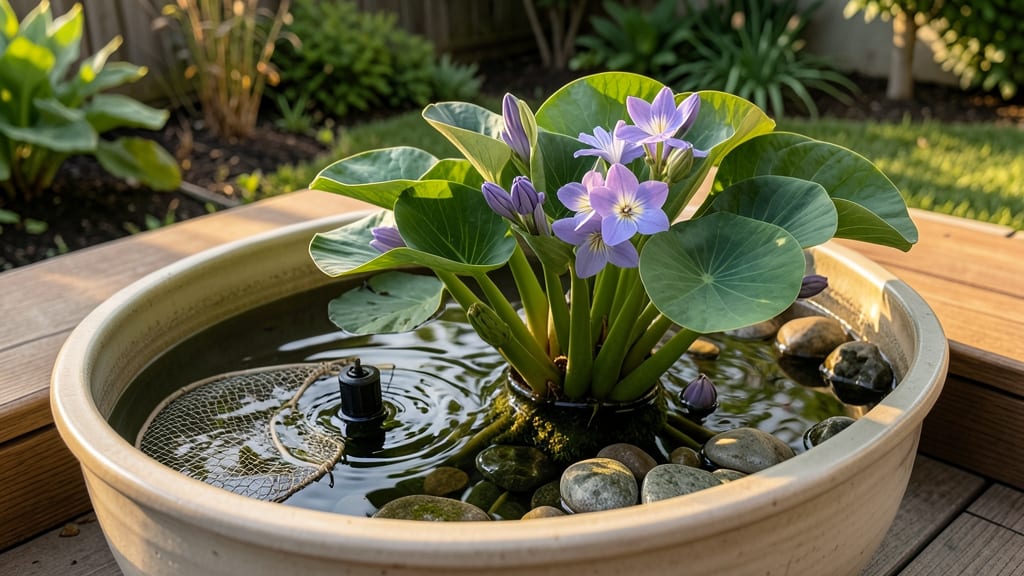
Growing container water garden plants 🌿 without soil is easier than you think—and it’s one of the most rewarding ways to bring life to a small space.
Imagine transforming a simple container into a lush, self-sustaining ecosystem where vibrant plants float effortlessly, requiring no soil, minimal maintenance, and zero risk of root rot. These aquatic wonders aren’t just beautiful; they’re nature’s air purifiers, thriving in just a few inches of water.
Whether you’re a beginner or a seasoned gardener, container water gardens offer a low-stress way to grow plants that would otherwise need a pond. No digging, no heavy pots, and no complicated setups—just add water, pick the right plants, and watch them flourish.
In this guide, I’ll walk you through the easiest floating plants to start with, how to choose the perfect container, and pro tips to keep your water garden thriving year-round—no green thumb required.
Top 10 floating container water garden plants for beginners
Floating water gardens are a dream for beginners—they require no soil, minimal upkeep, and transform any container into a thriving ecosystem. The key is choosing fast-growing, low-maintenance plants that purify water while adding beauty.
I’ve tested these 10 easiest varieties in my own containers, from 5-gallon buckets to kiddie pools, and these consistently deliver results with zero fuss.
These plants thrive in just 3-6 inches of water and spread quickly, creating a lush green canopy that blocks algae. The best part? They’re invasive-resistant in containers—unlike their wild counterparts.
Below, I’ll cover the top 10 picks, their ideal container sizes, and how to spot lookalikes that might cause trouble.
Pro Tip: Start with 2-3 plants per 10 gallons of water to avoid overcrowding. Over time, you’ll naturally prune by harvesting excess growth for compost or sharing with fellow gardeners.
| Plant | Container Size | Sunlight | Growth Rate | Lookalike Warning |
|---|---|---|---|---|
| Water Hyacinth (Eichhornia crassipes) | 10+ gallons | Full sun | Very fast | Water Lettuce (broader leaves) |
| Water Lettuce (Pistia stratiotes) | 5+ gallons | Partial shade | Fast | Duckweed (tiny, round) |
| Duckweed (Lemna minor) | 2+ gallons | Full sun to shade | Extremely fast | None (tiny and harmless) |
| Frogbit (Limnobium laevigatum) | 3+ gallons | Partial shade | Moderate | Water Hyacinth (smaller flowers) |
| Amazon Frogbit (Limnobium) | 5+ gallons | Full sun | Fast | Water Lettuce (smaller) |
| Water Spiderwort (Tradescantia fluminensis) | 2+ gallons | Partial shade | Moderate | None (unique purple stems) |
| Water Cabbage (Pistia hybrid) | 10+ gallons | Full sun | Fast | Water Lettuce (thicker leaves) |
| Water Primrose (Jussiaea spp.) |
How to choose the right container for floating water plantsSelecting the perfect container for your floating water plants is just as important as choosing the plants themselves. The right container ensures proper oxygen circulation, prevents root rot, and extends the lifespan of your aquatic ecosystem. Whether you're using a plastic tub, ceramic pot, or fiberglass basin, each material has unique benefits—and drawbacks—that directly impact plant health. First, consider the material durability. Plastic containers are lightweight, affordable, and resistant to cracking, but they may degrade under prolonged sunlight. Ceramic pots offer an elegant aesthetic and better insulation, but they’re heavier and can crack if exposed to freezing temperatures. For long-term use, fiberglass or resin containers strike a balance between durability and style while resisting UV damage. Next, prioritize container size. Most floating plants, like water hyacinth or water lettuce, need at least 6 inches of depth to establish roots and thrive. Wider containers (12+ inches in diameter) allow plants to spread naturally, while deeper ones (12+ inches) accommodate larger species like water lilies. Always leave 2-3 inches of space between the water surface and container rim to prevent spills and allow for seasonal water level fluctuations. Budget-Friendly vs. Premium ContainersBudget-Friendly
Premium Containers
Tip: For budget-friendly setups, use food-grade plastic barrels with drilled drainage holes. For premium setups, invest in fiberglass planters with built-in overflow drains.
Don’t overlook drainage needs. Even floating plants benefit from occasional water changes, so containers should have adjustable drainage holes or a built-in overflow system. For static containers, use a submersible pump to circulate water and prevent stagnation. If your container lacks drainage, place it on a drip tray or elevated stand to catch excess water and maintain stability. Finally, assess sunlight exposure in your chosen location. Most floating plants thrive in full sun (6+ hours/day), but some, like water spiderwort, tolerate partial shade. Avoid placing containers in areas with direct afternoon sun, as this can cause water to overheat and harm delicate roots. If your space is shady, opt for low-light tolerant plants like frogbit or water mint. With the right container, your floating water garden will flourish with minimal effort. Start with a medium-sized plastic tub for beginners, then upgrade to a premium fiberglass planter as your confidence grows. Remember: the best container balances functionality, durability, and aesthetic appeal to create a harmonious aquatic haven. 🌿💧 |