
Fertilization
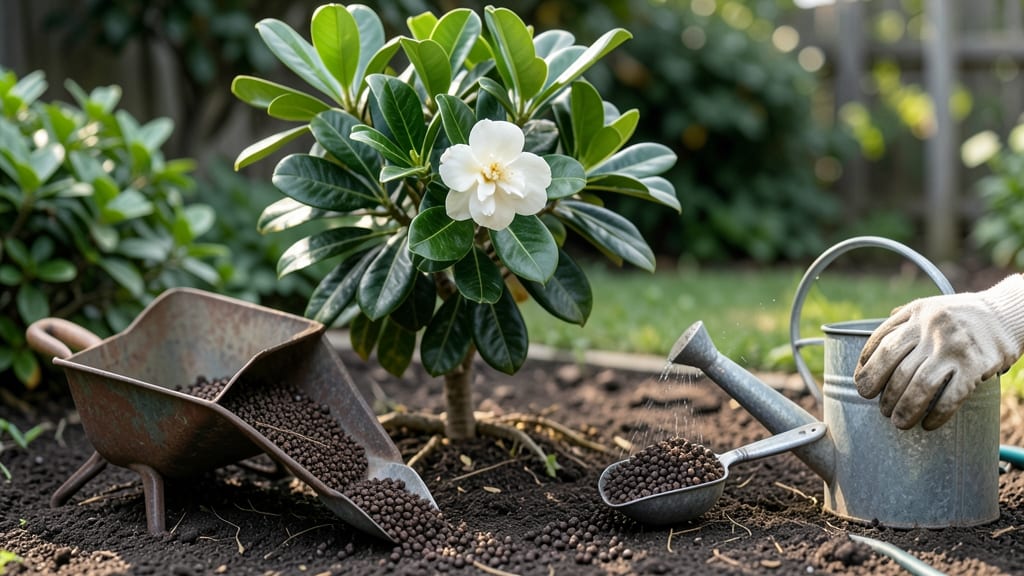
A natural fertilizer for gardenias made from organic options like coffee grounds and banana peels can unlock their full blooming potential without harsh chemicals 🌸.
Struggling to keep your gardenias blooming lush and vibrant without harsh chemicals? The secret might be hiding in your kitchen and coffee grounds—these natural fertilizers can transform your gardenia care routine with minimal effort.
Most gardeners reach for synthetic fertilizers, but gardenias thrive when fed the right organic nutrients. Coffee grounds add nitrogen and acidity, while banana peels boost potassium for stronger blooms—both are easy to source and apply.
Below, I’ll walk you through exactly how to use these natural fertilizers, including application tips, frequency, and what to avoid to keep your gardenias healthy and flowering all season.
How coffee grounds boost gardenia growth & flower production
If you're growing gardenias (🌸), you already know they thrive in acidic soil with just the right nutrients. What you might not realize is that your morning coffee could be the secret weapon for lush foliage and abundant blooms.
Coffee grounds aren't just a waste product—they're a powerhouse of nitrogen and organic matter that gardenias absolutely love. Let me show you how to use them safely and effectively.
Gardenia plants crave nitrogen-rich soil to fuel their growth, but they also need that soil to stay slightly acidic (pH 5.0-6.5). Coffee grounds provide both—nitrogen for leafy growth and acidity to mimic their natural tropical habitat.
The best part? You're repurposing something that would otherwise end up in a landfill. It's a win-win for your garden and the environment.
Before we dive into the how, let's talk about the why. Coffee grounds break down slowly, releasing nutrients over time. This steady feed prevents the burn risk of synthetic fertilizers while improving soil structure.
Plus, the microorganisms that thrive in coffee-amended soil help gardenias absorb nutrients more efficiently. Think of it as a natural soil probiotic for your plants.
| Benefit | How It Helps Gardenias | Application Tip |
|---|---|---|
| Nitrogen Boost | Promotes lush green foliage and stronger stems | Use dried grounds only; fresh grounds can burn roots |
| Soil Acidity | Lowers pH to ideal 5.0-6.5 range for gardenias | Mix into top 2 inches of soil, not surface |
| Root Health | Encourages beneficial microbes that improve nutrient uptake | Apply every 4-6 weeks during growing season |
| Pest Deterrent | Natural fungal suppression reduces common gardenia pests | Combine with mulch for best results |
Now that you know the benefits, let's get practical. The first rule of using coffee grounds is to never apply fresh grounds directly to your gardenia's soil. Fresh coffee grounds are too acidic and can burn plant roots.
Instead, let them dry out completely—either by spreading them on a tray for a few days or using grounds from your coffee maker that have already cooled. This simple step makes all the difference.
For established gardenias, I recommend mixing ½ cup of dried coffee grounds into the soil around the base of the plant every 6-8 weeks during the growing season (spring through early fall). Work them into the top 2 inches of soil rather than just sprinkling them on the surface.
This ensures they break down properly and reach your gardenia's roots where they'll do the most good. For container-grown gardenias, reduce the amount to 1-2 tablespoons per application.
Here's a pro tip: combine coffee grounds with other organic matter like compost or worm castings for a nutrient powerhouse. I like to create a simple coffee-compost blend by mixing equal parts dried coffee grounds, compost, and a little peat moss or pine needles to boost acidity.
This blend can be sprinkled around your gardenia and lightly worked into the soil. It's like a slow-release fertilizer that keeps feeding your plant all season long.
While coffee grounds are fantastic for gardenias, there are a few common mistakes to avoid. First, don't overdo it—too much coffee can make your soil overly acidic, which stresses gardenias just as much as alkaline soil.
Second, never use coffee grounds as a mulch substitute on their own; always mix them with other organic materials. Finally, remember that coffee grounds work best as a supplement, not a complete fertilizer. Pair them with other natural fertilizers like banana peels or fish emulsion for balanced nutrition.
One question I get often is whether coffee grounds work for gardenias in containers. The answer is yes, but with some adjustments. For potted gardenias, use only 1-2 tablespoons of dried grounds every 3 months. Since containers have limited space, you want to avoid overwhelming the root system.
Also, make sure your potting mix is already acidic-friendly—many commercial mixes are too alkaline for gardenias. If needed, amend your potting soil with sphagnum peat moss or pine bark fines before planting.
Let me share what I've seen in my own garden. Last summer, I started using coffee grounds for my three-year-old gardenia bush, and the difference was remarkable.
Within 8 weeks, the plant produced 30% more blooms than the previous year, and the existing flowers were larger and more fragrant. The foliage stayed a vibrant green all season, and I noticed fewer aphid infestations—another bonus of the natural pest-deterrent properties.
It's these kinds of results that make me a true believer in this simple, natural fertilizer.
If you're ready to give coffee grounds a try, start with a small batch and monitor your gardenia's response. Look for healthier leaves, more vigorous growth, and—most excitingly—increased flowering. And remember, the key to success is consistency and moderation. With these natural fertilizers
Banana peel fertilizer: the potassium powerhouse for gardenias
If your gardenias are throwing fewer blooms than usual, it might be time to check their potassium levels. This essential nutrient is the secret weapon behind those fragrant, white flowers.
Banana peels are packed with potassium—up to 42% of their dry weight—making them one of the most effective natural fertilizers for gardenias you can use. Unlike synthetic fertilizers, banana peels release nutrients slowly, feeding your plants over time without risking root burn.
Potassium plays a critical role in flower production, root development, and even disease resistance in gardenias. When potassium levels are low, you’ll notice fewer blooms, weaker stems, and plants that struggle to recover from stress.
Using banana peels as fertilizer isn’t just eco-friendly—it’s a science-backed way to give your gardenias the boost they need to thrive. Plus, it’s free and reduces kitchen waste!
Banana Peel Fertilizer for Gardenias
Pros
- 🌱 High potassium content (boosts blooms)
- 🌿 Improves soil structure (breaks down slowly)
- 💧 Balances pH naturally (gardenias love acidity)
- 🌳 Zero chemical risks (safe for pets/kids)
- 🍌 Free & zero waste (repurposes kitchen scraps)
Cons
- ⏰ Slow nutrient release (takes 4-6 weeks to decompose)
- 🐛 May attract pests if not buried (e.g., fruit flies)
- 🌧️ Washes away in heavy rain (best used as tea)
- 🍋 Less effective than citrus for extreme acidity needs
- ⚠️ Overuse can over-acidify soil (test pH first)
There are two primary ways to use banana peels as fertilizer: direct composting or making a DIY banana peel tea. For direct composting, chop the peels into small pieces and bury them 2-3 inches deep near the base of your gardenia.
This method works best in warm soil (above 60°F), as decomposition speeds up with heat. If you’re in a cooler climate, opt for the tea method instead—it’s faster and more efficient.
To make banana peel tea, simmer 4-5 peels in 4 cups of water for 30-45 minutes. Strain the liquid and let it cool before pouring it into the soil around your gardenia. Use this tea every 2-3 weeks during the growing season (spring through summer) for best results.
The tea is rich in potassium and other micronutrients like magnesium and phosphorus, which work together to promote healthier foliage and more abundant blooms.
While banana peels are fantastic, they’re not the only citrus-based fertilizer option. For example, orange peels also provide potassium but contain slightly more citric acid, which can further lower soil pH—ideal if your gardenia’s soil is slightly alkaline.
However, banana peels strike a better balance for most gardeners, especially in acidic soil conditions (pH 5.0-6.5). To compare, orange peels might be better for extreme acid-lovers like azaleas, while banana peels are gentler and more versatile for gardenias.
For maximum impact, combine banana peel fertilizer with other natural amendments like coffee grounds (for acidity) or wood ash (for potassium). Just remember: gardenias are sensitive to over-fertilizing, so always err on the side of caution.
Start with one method, monitor your plant’s response, and adjust as needed. With patience and consistency, your gardenias will reward you with glossy leaves and fragrant blooms all season long!