
Tools
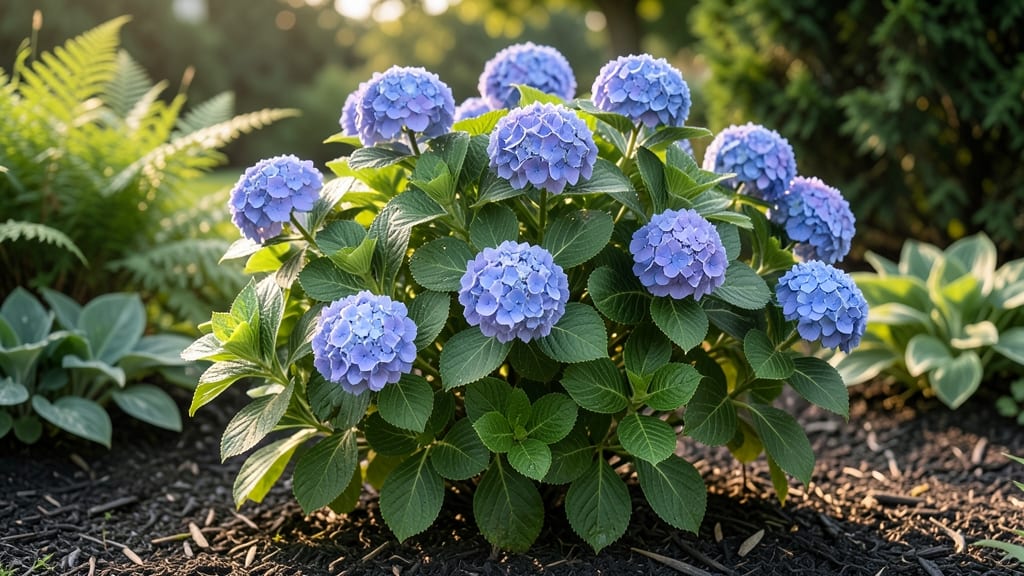
Creating an enchanted garden with vibrant colors that draw pollinators is easier than you think—and the results are magical 🌸.
Imagine a garden where every bloom feels like a secret invitation for bees, butterflies, and hummingbirds. The key isn’t just picking pretty plants; it’s weaving together seasonal color palettes that trigger pollinator instincts at the perfect moment.
Purple in spring? A surefire way to kickstart early visits. Fiery reds and oranges in summer? They’ll have bees buzzing all afternoon. And those deep autumn purples and golds? Late-season lifelines for pollinators winding down for winter.
This isn’t about random splashes of color—it’s about strategic pairings that keep your garden buzzing from bloom to bloom. Think of it like a pollinator buffet, where each color acts as a beacon, guiding winged visitors straight to your yard.
The Enchanted Garden Colors Collection makes it simple: plant the right hues together, and you’ll transform your space into a thriving, living tapestry that’s as functional as it is beautiful.
Ready to turn your garden into a pollinator paradise? I’ll walk you through the best color combos for every season, the science behind why they work, and how to keep your blooms vibrant all year long—so your garden stays enchanted, and the pollinators never leave.
Spring’s pollinator-magnet colors: blooms that spark visits early
Spring is the perfect time to transform your garden into a buzzing paradise, and the key lies in purples, blues, and whites—colors that act like nature’s neon signs for pollinators. These hues aren’t just beautiful; they’re science-backed triggers that draw bees, butterflies, and hummingbirds early in the season.
By strategically pairing plants with these colors, you’ll create a continuous bloom timeline that keeps pollinators visiting from March through June.
Why do these colors work so well? Bees see ultraviolet patterns in purple and blue flowers, while white blooms reflect UV light that guides them in. Butterflies are drawn to bright contrasts, and hummingbirds are naturally attracted to vibrant nectar-rich flowers.
Together, these colors create a visual feast that ensures your garden stays lively and active all spring.
For maximum impact, focus on early bloomers like crocus and mid-season stars like lavender. Pairing them with late spring additions like delphiniums ensures a non-stop pollinator buffet. The secret?
Plant in layers of height and color—tall spires of delphiniums behind clusters of crocus, with lavender spilling over edges. This creates a dynamic visual journey that keeps pollinators exploring.
Here’s how to maximize your pollinator-magnet colors with a strategic planting plan:
Start with crocus in early spring—their vibrant purple and white blooms appear as soon as the snow melts, giving bees their first food source of the year. Plant them in sunny spots where they’ll peek through melting snow for an instant pollinator boost.
Pair them with lavender, which blooms in April and continues through June, providing continuous nectar for bees and butterflies.
For a vertical pop of color, add delphiniums in May. Their tall blue spires create a stunning backdrop and attract large bees and butterflies. Place them at the back of borders or in containers where their height can be showcased.
Mix in salvia for hummingbirds—its spiky blue and white flowers are irresistible to these tiny birds and provide high-energy nectar.
Don’t forget phlox, a late-spring favorite that blooms in clusters of purple and white. It’s perfect for butterfly gardens and thrives in partial shade, making it a versatile addition.
Plant it in groups of 3-5 for maximum impact and to create a pollinator-friendly meadow effect. Combine it with low-growing thyme for a textural contrast that adds depth to your garden.
To keep your pollinator-magnet colors vibrant, mulch around plants with compost or straw to retain moisture and suppress weeds. Water in the early morning to reduce evaporation and keep blooms fresh.
Deadhead spent flowers regularly to encourage continuous blooming and extend the season. With these simple steps, your garden will stay colorful and buzzing from spring through early summer.
Pro tip: Add a small water source, like a shallow dish with pebbles, to give pollinators a place to rest and drink. This small addition can double your pollinator visits and create a truly enchanted garden atmosphere. 🌸
Summer’s heat-resistant enchanted palettes: red, orange, and yellow combinations
When summer’s scorching sun arrives, most gardens fade into muted greens—but not yours. Fiery reds, oranges, and yellows aren’t just heat-tolerant; they’re pollinator superhighways. These hues signal nectar to bees and butterflies while thriving in drought conditions.
The key? Choosing the right drought-resistant plants and maintaining vibrant colors through strategic care.
Red and orange blooms, like zinnia and salvia, reflect sunlight efficiently, reducing heat stress. Yellow flowers, such as black-eyed Susan and coreopsis, attract sun-loving pollinators while conserving water. Together, these colors create a heat-resistant palette that keeps your garden buzzing with life—even during dry spells.
🌻 5 Heat-Resistant Color Secrets for Summer Gardens
- 1. Choose native plants like bee balm (red) or blanket flower (orange) for built-in drought tolerance.
- 2. Mulch heavily with straw or wood chips to retain moisture and cool roots.
- 3. Water deeply at dawn to reduce evaporation and fungal risks.
- 4. Deadhead regularly to extend blooming and prevent seed production that drains energy.
- 5. Pair with silver foliage (like lamb’s ear) to reflect heat and enhance color contrast.
For a seamless summer-to-fall transition, pair red zinnias with golden coreopsis in early summer. As temperatures drop, swap in orange marigolds and yellow coneflowers for a pollinator-friendly bridge to autumn. This color rotation keeps your garden vibrant while supporting wildlife.
One of my favorite combinations is red salvia with yellow lantana. The salvia’s spiky blooms attract hummingbirds, while lantana’s clustered flowers draw butterflies. Both thrive in full sun and require minimal water once established. For a low-maintenance touch, add orange daylilies—they’re tough as nails and bloom nonstop.
To keep colors popping, fertilize lightly with a balanced 10-10-10 mix every 6 weeks. Over-fertilizing can lead to lush foliage but fewer blooms. Instead, focus on mulching and pruning dead growth to encourage vibrant flowers. A quick tip: Prune back spent blooms by 1/3 to trigger bushier, more colorful regrowth.
By embracing these heat-resistant hues, you’ll create a garden that’s not just beautiful but ecologically vibrant. The result? A summer oasis where every visit feels like stepping into a sun-drenched fairy tale—complete with winged guests sipping nectar from your fiery blooms. 🌺☀️🐝