
Fertilization
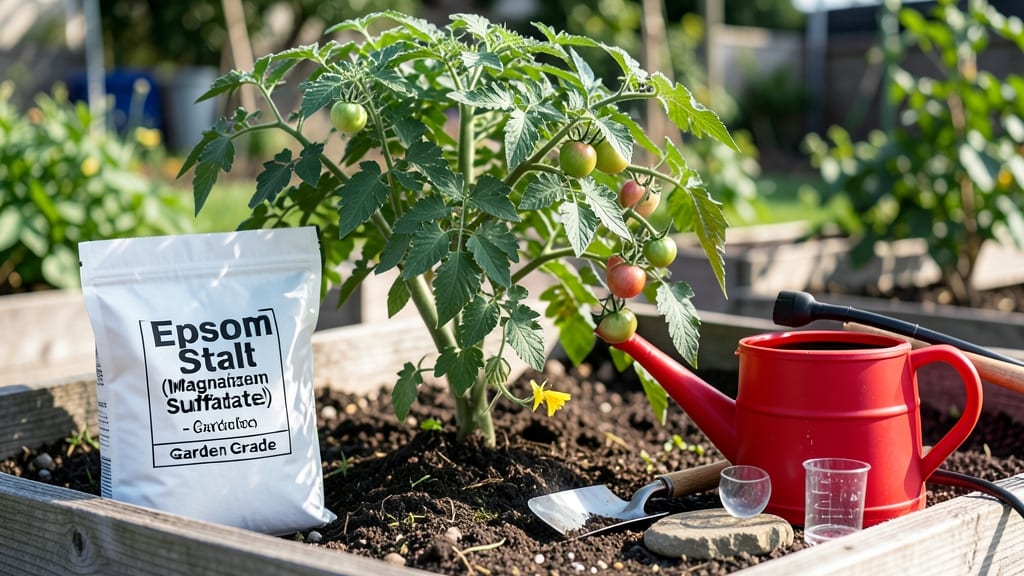
An epsom salt garden can turn struggling plants into thriving ones in just weeks, thanks to its magnesium boost.
Struggling with yellowing leaves, stunted growth, or weak stems in your 🌱 garden? Epsom salt might be the simple, cost-effective solution you’ve been missing—here’s how to use it right.
Magnesium is the secret ingredient plants crave but often lack, especially in sandy or acidic soils. A quick soil test or those telltale yellow patches between veins can reveal the problem—and Epsom salt delivers fast results without breaking the bank.
From foliar sprays to soil amendments, I’ll walk you through the best methods for your garden, plus when to skip it and what to use instead for long-term health.
How Epsom salt fixes magnesium deficiency in plants (and when to use it)
If your plants are showing yellowing leaves with green veins or weak stems, they might be screaming for magnesium. This essential mineral helps plants produce chlorophyll, the green pigment that turns sunlight into energy.
When magnesium levels drop, your garden’s health suffers—and Epsom salt (magnesium sulfate) can be the quick fix you need.
Epsom salt isn’t just for soaking sore muscles—it’s a powerhouse for gardeners. When dissolved in water, it releases magnesium and sulfur, two nutrients plants can’t produce on their own.
The magnesium boosts photosynthesis, strengthens cell walls, and even improves flower and fruit production. But how do you know if your plants need it?
Magnesium deficiency often starts with interveinal chlorosis—yellow patches between leaf veins while the veins stay green. Other red flags include stunted growth, poor flowering, and weak stems. These symptoms are common in acidic soils or after heavy rainfall, which washes away nutrients.
Before grabbing that Epsom salt, confirm the issue isn’t iron deficiency (which causes yellowing including veins) or overwatering. Test your soil’s pH—magnesium is more available in slightly alkaline soils (pH 6.5-7.5). If your soil is too acidic, Epsom salt alone won’t fix the problem long-term.
Not all plants benefit equally from Epsom salt. Heavy feeders like tomatoes, peppers, and roses love it, while succulents or cacti (which store water and nutrients differently) rarely need it. Even among veggies, leafy greens like spinach and kale show dramatic improvements faster than root crops.
The best time to use Epsom salt is during active growth phases. For vegetables, apply it when plants are 6-8 inches tall and again when flowering. For perennials, a spring and fall treatment keeps magnesium levels steady. Avoid using it in winter when most plants are dormant.
For foliar sprays, mix 1 tablespoon of Epsom salt per gallon of water and apply in the early morning or late afternoon to prevent leaf burn. For soil applications, sprinkle 1-2 tablespoons per plant around the root zone and water it in.
Overuse can lead to sodium buildup, so follow the "less is more" rule.
While Epsom salt is a quick fix, it’s not a long-term soil amendment. For lasting results, pair it with compost or organic matter to improve soil structure and nutrient retention. If your soil test shows high magnesium levels already, skip it—your plants might need calcium or potassium instead.
Pro tip: Save your Epsom salt packets! The 1-pound bags from drugstores or garden centers are perfect for small gardens. For larger areas, buy it in bulk online or at farm supply stores. Just store it in a cool, dry place to prevent clumping.
Ready to give your plants a magnesium boost? Start with one application, monitor their progress, and adjust as needed. Your tomatoes, roses, and houseplants will thank you with lush, vibrant growth! 🌿
Step-by-step guide: how to apply Epsom salt for maximum garden results
Epsom salt—magnesium sulfate—isn’t just for soaking sore muscles. When used correctly in your garden, it can revitalize struggling plants with a quick magnesium boost. The key is proper application to avoid overdoing it.
Whether you’re treating yellowing leaves or prepping soil for planting, follow these steps to get the best results without harming your plants.
Before diving in, identify your plants’ needs. Epsom salt works best for magnesium-deficient plants like tomatoes, peppers, roses, and houseplants. If your soil is already rich in magnesium, you might not need it.
Start with a simple soil test or look for signs like yellowing between leaf veins—a classic magnesium deficiency symptom.
- Step 1: Choose Your Application Method
- Soil Application: Best for long-term magnesium boost. Mix 1 tbsp per foot of plant height into the top 6 inches of soil.
- Foliar Spray: Quick fix for visible deficiencies. Dissolve 2 tbsp Epsom salt in 1 gallon of water and spray leaves evenly.
- Step 2: Apply at the Right Time
- Best Seasons: Spring (before active growth) or early summer (during flowering/fruiting). Avoid applying in fall or winter when plants are dormant.
- Avoid: Applying during extreme heat or drought conditions—it can burn roots or leaves.
- Step 3: Prepare Your Solution
- For Soil: Mix 1 tbsp Epsom salt with 1 gallon of water. Water the soil thoroughly until it reaches the root zone.
- For Foliar Spray: Use 2 tbsp per gallon of water. Spray early in the morning to allow leaves to dry before evening humidity sets in.
- Step 4: Apply Correctly
- Soil Method: Gently work the solution into the top 6 inches of soil. Water lightly afterward to help absorption.
- Foliar Method: Spray until leaves are evenly moist (avoid oversaturating). Focus on the undersides of leaves where magnesium uptake is highest.
- Step 5: Monitor and Repeat
- Frequency: Apply every 4-6 weeks during the growing season for soil treatment. For foliar sprays, repeat every 2 weeks if deficiency persists.
- Watch for Overuse: Brown leaf edges or stunted growth mean you’re overdoing it. Reduce frequency immediately.
Timing is everything when it comes to Epsom salt. For vegetables like tomatoes and peppers, apply it when the plants are flowering or fruiting to support fruit development.
For houseplants, a monthly foliar spray can keep them lush and green. Always water plants thoroughly after application to help the magnesium reach the roots.
Safety is just as important as application. Never apply Epsom salt to dry soil—it can cause root burn. Also, avoid using it on plants like blueberries or azaleas, which prefer acidic soil and can be harmed by the salt’s alkaline properties.
Always test a small area first if you’re unsure about your plant’s tolerance.
With the right approach, Epsom salt can be a game-changer for your garden. Start with a small batch to gauge your plants’ response, and soon you’ll see greener leaves, stronger stems, and healthier blooms. Happy gardening! 🌿