
Light Requirements
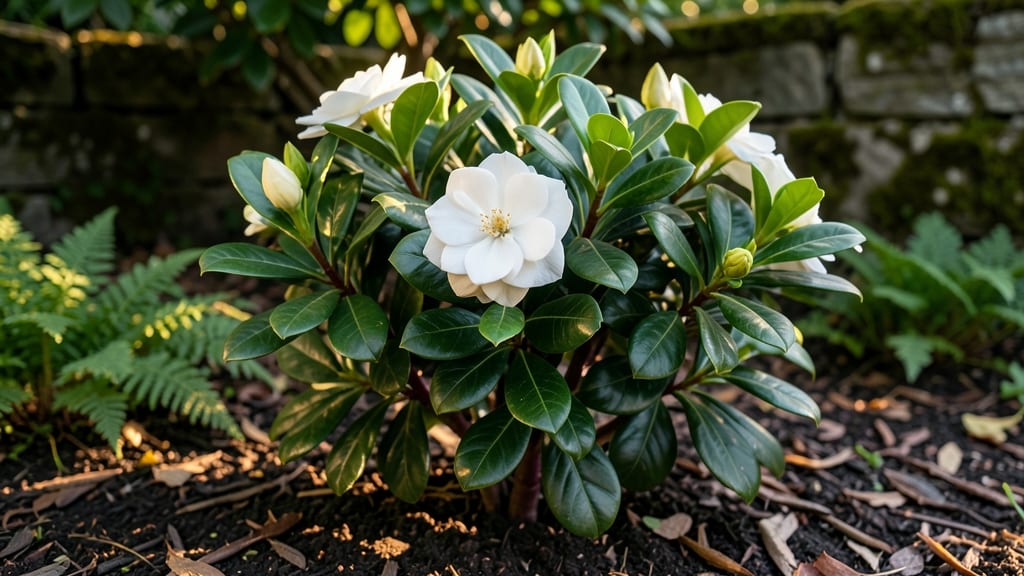
To frost-proof a gardenia with the right sun requirements, you need at least 6 hours of sunlight daily — but not the scorching afternoon kind that wilts their delicate blooms.
Struggling to keep your frost-proof gardenia blooming year-round? The secret isn’t just cold resistance—it’s mastering their sunlight needs, which can make or break those stunning flowers. Too much direct sun, and the leaves burn; too little, and you’ll be left with sparse blooms and leggy stems.
Most gardenia varieties thrive in morning sun and afternoon shade, especially in warmer climates like USDA Zone 9b. This balance keeps them happy while protecting them from frost damage when temperatures dip.
In this guide, I’ll break down exactly how much sun your frost-proof gardenia needs, where to place it for optimal growth, and how to adjust care as seasons change to keep those fragrant blooms coming.

How much sun frost-proof gardenias need for optimal blooms
Frost-proof gardenias thrive when they receive the right balance of sunlight—6 to 8 hours daily—but their exact needs depend on your climate and variety. Unlike traditional gardenias, these cold-hardy hybrids can handle slightly more sun, but too much direct afternoon heat can scorch their delicate leaves.
The key is mimicking their natural tropical habitat: bright, indirect light with protection from harsh midday rays.
Most frost-proof gardenias perform best with morning sun and afternoon shade, especially in hotter zones (USDA 8-11). This setup prevents leaf burn while ensuring enough light for those signature creamy white blooms.
If you’re growing them in containers, their sunlight needs remain the same, but you’ll need to rotate pots occasionally for even exposure.
🌸 Pro Tip: Use a light meter or observe your gardenia’s leaves—if they’re consistently pale or yellowing, it’s likely getting too much sun. Dark green, glossy leaves mean it’s happy with its current light.
| Variety | Sunlight Needs | Best Location | Seasonal Adjustments |
|---|---|---|---|
| 'Radicans' | 6-7 hours | East or north-facing window | Filter sun in summer |
| 'Kleim’s Hardy' | 6-8 hours | South-facing with afternoon shade | Add shade cloth in peak sun |
| Dwarf varieties (e.g., 'Prosperity') | 4-6 hours | Patio or balcony with partial shade | Rotate pots for even light |
| Standard gardenias (e.g., 'Veitchii') | 5-7 hours | Under high trees or trellises | Prune to avoid overcrowding |
For frost-proof gardenias in colder climates (USDA 7-8), aim for 5-6 hours of sun during spring and fall when days are shorter. In summer, extend their light exposure gradually to 6-7 hours to prevent shock.
If your gardenia is struggling, try moving it 1-2 feet closer to a light source over a week to acclimate.
Container gardenias often need more frequent monitoring because pots dry out faster and can overheat. Place them on elevated stands or use self-watering pots to maintain consistent moisture, which is critical for sun-exposed plants. A 5-gallon container is ideal for dwarf varieties, while standard gardenias thrive in 15-gallon pots.
In urban gardens with limited space, consider growing frost-proof gardenias near south-facing walls or under permeable shade cloth (30-50% shade). This setup provides indirect light while protecting them from wind and extreme temperatures.
Test your location by placing a white piece of paper where you plan to plant—if it’s too hot to touch after an hour, the spot gets too much sun.
One common mistake is assuming "more sun is always better" for frost-proof gardenias. While they tolerate more light than traditional gardenias, afternoon sun (1 PM - 5 PM) can cause leaf scorch, especially in Zones 9-11.
If you notice brown edges on leaves, move your plant to a shadier spot immediately and increase watering frequency to help it recover.
To maximize blooms, prune leggy growth in early spring to encourage bushier, sun-loving branches. Cut back stems by one-third just above a leaf node, and fertilize with an acid-loving plant food (like 8-4-8 NPK) to support new growth.
This technique ensures your gardenia gets the most out of its sunlight exposure while staying healthy through temperature fluctuations.
🌿 Key Takeaway: Frost-proof gardenias need 6+ hours of sunlight daily, but the type of light matters just as much as the duration. Prioritize morning sun and filtered afternoon light, adjust for your climate, and monitor leaf health closely to keep those fragrant blooms coming year after year.
Signs your frost-proof gardenia isn’t getting enough sun (and how to fix it)
Your frost-proof gardenia might look healthy but is secretly starving for sunlight. When these shrubs don’t get their minimum 6 hours of sun daily, they send distress signals through their growth patterns and foliage.
The first clue? Leggy, sparse stems stretching toward any available light source, often with bare branches at the bottom.
Another red flag is fewer blooms than usual—sometimes just a handful of flowers instead of the lush clusters you expect. Even worse, the leaves may start yellowing between veins, a classic sign of chlorosis caused by insufficient energy production from light deprivation.
If you’ve noticed these issues, your gardenia is silently begging for more sunshine.
Never move your gardenia from shade to full sun abruptly—it’ll scorch in 24-48 hours. Instead, acclimate gradually by adding 1-2 extra hours of sun weekly. Container gardenias need even more caution since their roots can’t regulate temperature like in-ground plants.
For container gardenias, the problem often starts with poor placement. Many gardeners tuck them in north-facing patios or under dense tree canopies, thinking they’re safe from frost. But without direct sunlight, even frost-proof varieties struggle to photosynthesize efficiently.
Check if your pot sits in a sun trap—like a south-facing balcony—but still gets blocked by buildings or trees after noon.
Here’s how to fix leggy growth and revive sparse blooms: Start by pruning back the overly elongated stems to encourage bushier growth. Cut just above a leaf node or bud to stimulate new, stronger branches.
Then, rotate your container quarter-turns weekly to ensure even light exposure on all sides.
If your gardenia is in the ground, consider relocating it to a sunnier spot—like near a south-facing wall or under a deciduous tree that drops leaves in summer.
For container gardenias, move them to a sheltered patio where they get morning sun and afternoon shade. Remember: Morning sunlight is gentler and helps prevent leaf burn.
With these adjustments, your frost-proof gardenia should rebound within 6-8 weeks, producing fuller foliage and more abundant blooms. The key is patience—don’t rush the sun exposure, and your gardenia will reward you with fragrant, healthy growth all season long. 🌸