
Shrubs
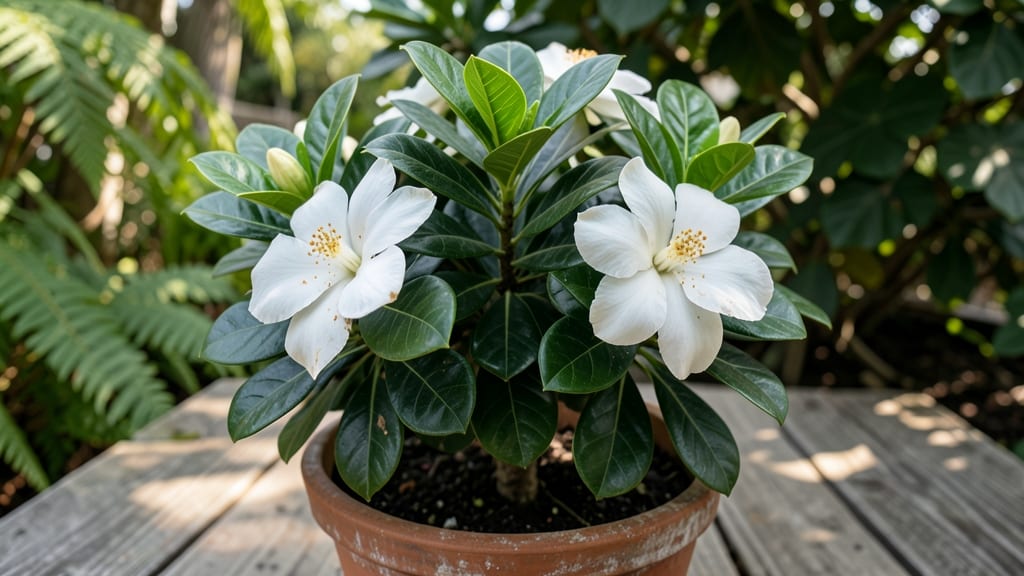
A full grown gardenia bush 🌸 can reach 6 feet tall and become the fragrant centerpiece of your garden—if you know how to care for it properly.
That intoxicating gardenia fragrance isn’t just a dream—it’s the reward for mastering the care of a mature plant, which can thrive for decades with the right pruning and attention.
But here’s the catch: gardenias demand specific conditions—from acidic soil to strategic pruning—to keep them blooming year after year. Skip a step, and you might end up with sparse flowers or leggy growth.
In this guide, I’ll walk you through pruning techniques, seasonal care tips, and the key adjustments that keep your gardenia lush, healthy, and bursting with those signature white blooms.
How to prune a full grown gardenia bush for maximum blooms
A full grown gardenia bush can reach 4-6 feet tall and become a stunning focal point in your garden. But to keep those fragrant white blooms coming year after year, proper pruning is essential.
Pruning isn't just about shaping—it's about encouraging healthy air circulation, removing dead growth, and stimulating new flower buds. When done correctly, your gardenia will reward you with abundant blooms and lush foliage for decades.
Timing is everything with gardenias. Prune at the wrong time, and you could stunt blooming or stress the plant. The best time to prune is early spring, right after the last frost but before new growth begins.
This gives your gardenia time to recover and focus energy on producing flowers for the season. Fall pruning is possible, but it's riskier and should only be done if you notice dead or diseased branches that need immediate removal.
Before you grab your pruners, gather a few essential tools: sharp bypass pruners for clean cuts, sterilized rubbing alcohol to clean tools between cuts, and gardening gloves to protect your hands. Gardenias have thorny stems, so gloves are a must.
Also, have a bucket of water nearby to rinse your tools and dispose of clippings, which can harbor fungal spores if left on the ground.
Step-by-Step Pruning Guide for Gardenia Bushes
-
Step 1: Inspect the Bush
Walk around your full grown gardenia bush and examine every branch. Look for dead wood, diseased leaves, or branches that are crossing and rubbing against each other. These are your first targets for removal.
-
Step 2: Remove Dead or Diseased Branches
Use your pruners to cut dead branches at a 45-degree angle, about 1/4 inch above a leaf node. This encourages new growth from the right spot. Sterilize your tools between cuts to prevent spreading disease.
-
Step 3: Thin Out the Center
Gardenias often develop dense centers that block sunlight and air. Gently push back the outer branches to see inside. Remove 20-30% of the oldest branches from the center to improve airflow and sunlight penetration.
-
Step 4: Shape the Bush
Step back and visualize the shape you want. Gardenias respond well to a rounded, natural shape. Trim back any overly long branches to maintain balance. Avoid cutting into old wood—focus on new growth.
-
Step 5: Encourage Flower Production
To stimulate more blooms, cut back last year's flower stems to just above a set of healthy leaves. This redirects the plant's energy toward producing new flowers rather than maintaining old growth.
-
Step 6: Clean Up
After pruning, remove all clippings from the area to prevent fungal diseases. Rake up any fallen leaves or debris and dispose of them in the trash, not the compost bin, as gardenias are prone to fungal issues.
One common mistake gardeners make is over-pruning their gardenias. Never remove more than 30% of the plant's foliage in a single session. Gardenias are sensitive plants, and aggressive pruning can shock them, leading to fewer blooms or even leaf drop.
If your gardenia is particularly large, consider pruning in two stages, a week apart, to reduce stress.
After pruning, your gardenia will need some extra care to recover. Water deeply right after pruning to help the plant adjust. For the next few weeks, keep the soil consistently moist but not soggy.
Avoid fertilizing immediately after pruning—wait 4-6 weeks to give the plant time to heal before applying a balanced fertilizer like 10-10-10 to encourage new growth and blooms.
Pruning also gives you the perfect opportunity to check for pests or diseases. Look for signs of aphids, spider mites, or fungal spots on the leaves. If you spot any issues, treat them immediately with neem oil or a fungicide designed for ornamental plants.
Prevention is key—healthy plants are less susceptible to pests and diseases.
With regular pruning, your full grown gardenia bush will continue to thrive and produce those coveted fragrant blooms for years to come.
The key is consistency—prune every year in early spring, and your gardenia will reward you with a show-stopping display of white, creamy flowers that fill your garden with their intoxicating scent.
Remember, gardenias are slow growers, so don’t rush the process. Patience and proper care will pay off in the form of a lush, blooming bush that becomes the centerpiece of your garden. Happy pruning!
Essential care tips for year-round blooming gardenia bushes
A full grown gardenia bush thrives when you mimic its natural tropical environment. The key to year-round blooms lies in understanding its soil preferences, watering needs, and light requirements. Unlike many shrubs, gardenias demand consistent care to reward you with their signature intoxicating fragrance.
Your gardenia’s acidic soil (pH 5.0-6.5) is non-negotiable—alkaline soil leads to yellowing leaves and poor blooming. Combine peat moss or pine bark with your native soil to create the perfect growing medium. I’ve found that adding a slow-release acid-loving plant fertilizer in spring jumpstarts blooming for the season.
| Care Requirement | Specification |
|---|---|
| Soil Type | Acidic (pH 5.0-6.5), well-draining |
| Watering Schedule | Deep soak weekly (spring/summer), bi-weekly (fall), monthly (winter) |
| Sunlight Needs | Partial shade (4-6 hours morning sun) |
| Fertilizer Type | Slow-release 10-10-10 (acid-loving formula) |
| Seasonal Pruning | Light prune after blooming (late spring), shape in early fall |
Your watering routine should change with the seasons. During spring and summer, water deeply every 5-7 days—enough to moisten the soil 6 inches deep. I use my finger to check moisture; if the top inch feels dry, it’s time to water.
In fall and winter, reduce to bi-weekly or monthly as growth slows. Overwatering is the #1 killer of gardenias—always ensure pots have drainage holes.
Position your full grown gardenia bush where it gets morning sunlight and afternoon shade. Harsh afternoon sun scorches delicate leaves, while too little light reduces blooming.
My gardenia in USDA Zone 7 thrives under a dappled shade tree—it gets bright light in the morning but gentle shade by afternoon. If growing in containers, rotate the pot quarter-turns weekly for even growth.
Seasonal adjustments are crucial for year-round blooms. In early spring, apply a balanced fertilizer to encourage new growth. As blooms fade, prune lightly to maintain shape and improve air circulation. In late fall, reduce watering and stop fertilizing—your gardenia needs a rest period before winter.
I’ve noticed that gardenias blooming in late summer often need a light trim after their first flush to encourage a second round.
Watch for yellowing leaves—this often signals overwatering or alkaline soil. Amend soil with sulfur or cottonseed meal to lower pH. For pests, spray with neem oil if you spot aphids or whiteflies on new growth.
My gardenia has bloomed continuously for three years using these simple adjustments, proving that consistency is key to year-round fragrance.