Vegetables
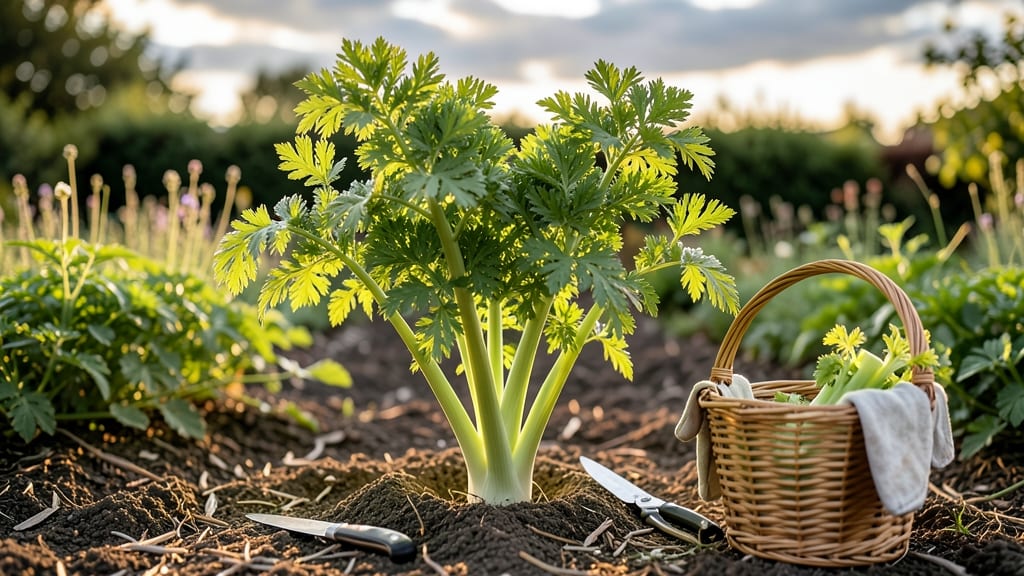
Harvesting garden celery at the right time means the difference between crisp, sweet stalks 🥬 and tough, bitter disappointment.
Picture this: you’ve nurtured your celery for months, only to pull a stalk that snaps like a dry twig instead of offering that satisfying crunch. The good news? Timing your harvest correctly is easier than you think—and it doesn’t require a green thumb.
Celery thrives in USDA Zone 6a when planted in March or April, and it’s ready to harvest between July and September, about 90 to 120 days after sowing.
The key is watching for stalks that are thick, firm, and about 1-inch in diameter, with deep green leaves that snap cleanly when bent.
In this guide, I’ll walk you through exactly when to harvest for peak flavor, how to cut without damaging future growth, and what to do if you miss the window. By the end, you’ll know how to turn your garden into a steady supply of restaurant-quality celery—no guesswork required.
Optimal harvest timing for crisp, sweet garden celery
Timing your garden celery harvest correctly transforms a simple vegetable into a gourmet delight. Celery typically reaches peak flavor and texture between 90 to 120 days after planting, but this window varies by variety and climate.
For the sweetest, crispest stalks, aim to harvest when plants are 12 to 18 inches tall with stalks about 1 inch in diameter. Understanding these cues ensures you avoid the common pitfalls of bitter, woody stalks or underdeveloped harvests.
Your local climate plays a crucial role in harvest timing. In cooler regions (USDA Zones 3-6), celery thrives in late summer to early fall (July-September), while warmer zones (7+) may extend harvests into October.
Even a light frost can sweeten celery's flavor, but avoid heavy freezes that damage the plant. Pay attention to leaf color and stalk firmness—these are your best indicators of readiness.
Here’s a quick reference to help you gauge celery maturity at a glance:
| Maturity Stage | Stalk Thickness | Leaf Color | Days to Harvest | Seasonal Window |
|---|---|---|---|---|
| Early Maturity | ½ inch | Light green | 90 days | Late summer |
| Peak Sweetness | 1 inch | Deep green | 110 days | Early fall |
| Late Maturity | 1.5+ inches | Yellowing | 120+ days | Late fall (risk of frost) |
For self-blanching varieties like 'Tall Utah' or 'Golden Self-Blanching,' you’ll notice pale stalks at the base—this natural blanching indicates sweetness. In contrast, green varieties (e.g., 'Utah Improved') rely on tight leaf clusters and crisp stalks.
If your celery has spindly stalks or pale leaves, it’s not ready—these are classic signs of nutrient deficiency or drought stress.
Climate zones also dictate your harvest window. In Zone 5 or colder, prioritize harvesting by mid-September to avoid frost damage. Meanwhile, gardeners in Zone 8+ can extend harvests until November, though stalks may become woody if left too long.
Always check your local frost dates and adjust accordingly—celery won’t survive freezing temperatures.
Pro tip: Harvest outer stalks first to encourage regrowth. This method works best for self-blanching varieties and can yield 2-3 harvests per plant if cared for properly.
After cutting, leave the inner stalks and leaves intact—they’ll continue growing with consistent water and fertilizer. This approach maximizes your garden’s productivity and minimizes waste.
Watch for yellowing leaves or hollow stalks—these are red flags that your celery has passed its prime. Overripe celery loses its crisp texture and sweetness, becoming bitter and fibrous. If you spot these signs, harvest immediately or use the stalks in soups or stocks where texture matters less.
For the best results, always harvest in the morning after dew has dried—this preserves moisture and flavor.
Seasonal variations also affect harvest timing. In spring-planted celery, expect harvests in late summer, while fall-planted varieties may mature earlier. If you’re in a short-season climate, opt for fast-maturing varieties like 'Winter pasca' (70 days) or 'Golden Self-Blanching' (105 days).
These choices ensure you still get a harvest before frost sets in.
Finally, soil temperature matters. Celery grows best in cool soil (60-70°F). If your summer heat exceeds 85°F, consider shade cloth or container growing to prevent bolting. Bolting (premature flowering) ruins the stalk’s quality, so monitor your plants closely during heatwaves.
With the right timing and care, your garden celery will deliver restaurant-quality crunch and sweetness straight to your kitchen.
How to harvest celery without damaging future growth
Harvesting celery the right way ensures you get crisp, flavorful stalks while keeping your plant healthy for future harvests. The key is using the proper cutting technique and timing your harvest to avoid stressing the plant.
Unlike root vegetables, celery regrows from its base, so how you cut matters—especially if you want a second harvest.
Start by selecting the outer stalks first. These are the most mature and won’t compromise the plant’s ability to produce new growth. Use a sharp knife or pruning shears to make clean cuts, leaving about 1 inch of stem attached to the base.
This small stub helps the plant heal faster and encourages new shoots to form.
Step-by-Step Harvesting Guide
- 🌱 Step 1: Choose Mature Stalks
Select stalks that are 12-18 inches tall with a 1-inch diameter and deep green leaves. - ✂️ Step 2: Use Sharp Tools
Grab a clean, sharp knife or pruning shears to avoid crushing the stalks or damaging the plant. - 📏 Step 3: Cut at the Base
Slice 1 inch above the soil line, leaving a small stub to promote regrowth. - 💧 Step 4: Water Immediately
Give the plant a deep watering after harvesting to reduce stress and encourage new growth. - 🌿 Step 5: Fertilize Lightly
Apply a balanced fertilizer (5-10-10) 1 week after harvesting to support regrowth. - 🌱 Step 6: Monitor for Regrowth
New shoots should emerge in 4-6 weeks. Thin them to 3-4 stalks per plant for optimal growth.
After harvesting, don’t toss the remaining plant! Celery is a perennial in warm climates and can produce multiple harvests if cared for properly. Once you’ve cut the outer stalks, focus on keeping the soil moist and fertile.
A light application of compost or well-rotted manure will give your celery the nutrients it needs to bounce back.
If your celery plant is nearing the end of its season or shows signs of decline (like yellowing leaves or woody stalks), consider composting the remaining plant.
This returns nutrients to your soil while reducing waste. For a second harvest, prioritize younger, inner stalks—they’ll be tender and sweet, perfect for salads or stir-fries.
For gardeners in cooler climates, harvest all stalks before the first frost. If you’re lucky enough to have a mild winter, protect your celery with row covers or mulch to extend its growing season.
With the right care, your celery plant can reward you with multiple harvests per season, making it a worthwhile investment for any home garden.