
Blooming
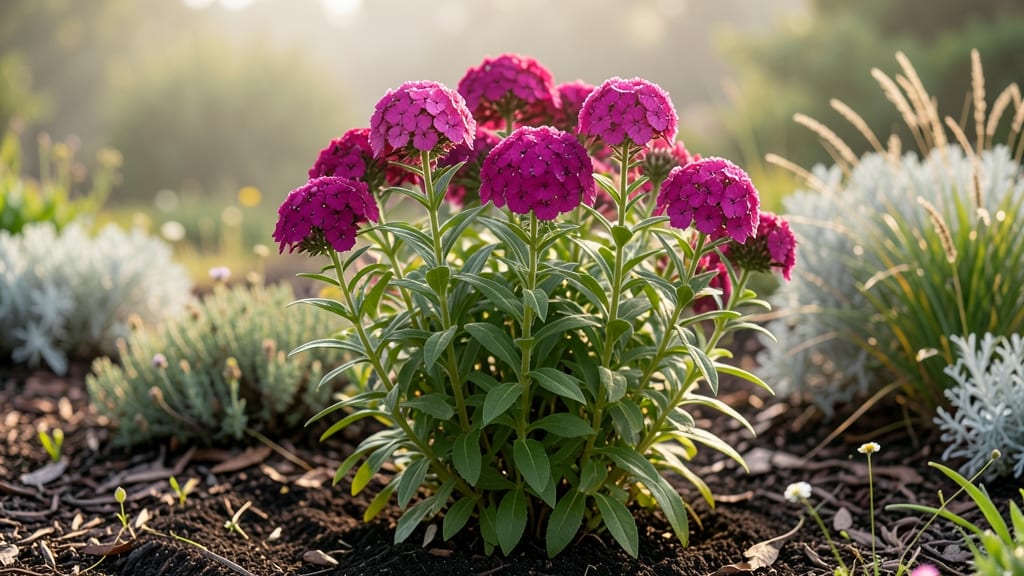
Garden phlox blooms from late spring to early fall, but the exact timing depends on your zone and variety 🌸 — and getting it right means the difference between a showstopper border and a sparse one.
If you’ve ever planted phlox only to watch it bloom late—or worse, skip blooming altogether—you’re not alone. The secret lies in knowing when your local climate triggers those vibrant clusters, and how to nudge them along if they’re running behind.
From USDA Zone 3 to Zone 9, bloom windows shift by weeks, with tall varieties like Phlox paniculata often peaking in July, while dwarf types may start as early as June.
Sunlight, soil, and even last year’s deadheading play a role in whether your phlox puts on its best show.
In this guide, I’ll break down the month-by-month bloom schedule for your zone, plus the simple tweaks—like feeding and pruning—that can stretch your phlox’s season from June to October or even later.
Garden phlox bloom time by USDA hardiness Zone: month-by-month guide
Timing is everything when it comes to garden phlox (Phlox paniculata), especially if you're planning for vibrant summer color. Understanding your USDA hardiness zone helps predict when these fragrant blooms will appear.
In cooler zones like 3-5, expect later blooms, while warmer zones 7-9 see earlier, longer-lasting flowers. Climate factors like chill hours and spring temperatures also play a role in shifting bloom windows by weeks.
For most gardeners, phlox blooms in late spring to early fall, but the exact timing varies dramatically. In Zone 3, you might see blooms as late as mid-July, while Zone 9 gardeners often enjoy flowers from May through September.
The key is knowing your last frost date and how it affects phlox’s growth cycle. Let’s break down the month-by-month expectations for each zone.
🌸
In Zones 3-4, garden phlox often waits until mid-June to bloom, with peak color in late July. This delay happens because cooler spring temperatures slow early growth.
If you’re in Zone 5 or 6, you’ll see blooms start as early as late June, with a longer peak in July and August. These zones offer the best balance for gardeners, as they provide enough warmth for robust growth without the extreme heat of southern climates.
For those in Zones 7-8, the show begins much earlier—often in May or June—and can stretch into September. The extended bloom time in these zones is partly due to milder winters and longer growing seasons.
If you’re in Zone 9, you might even see phlox blooming as early as April, with a second flush in late summer. This is particularly true for Phlox drummondii, also known as annual phlox, which thrives in warmer climates.
Climate plays a surprising role in bloom timing. For example, Phlox paniculata in Zone 6 might bloom two weeks earlier than in Zone 5 due to warmer spring temperatures. Similarly, drought stress or excessive heat can cause blooms to fade faster in Zones 8-9.
To combat this, I always mulch around my phlox plants in early summer to retain moisture and cool the roots.
Regional variations also matter. In Pacific Northwest gardens (Zone 7-8), phlox often blooms later due to cooler, wet springs. Meanwhile, in Southeastern states (Zone 8-9), blooms may start earlier but can suffer from humidity-related diseases like powdery mildew.
If you’re in a humid climate, I recommend choosing disease-resistant varieties like 'David' or 'Jeana' for longer-lasting blooms.
Another factor to consider is light exposure. Phlox thrives in full sun (6+ hours daily), but in Zones 7-9, afternoon shade can prevent heat stress and extend bloom time.
In my own garden, I’ve noticed that phlox planted in partial shade in Zone 8 blooms for an extra 3-4 weeks compared to those in full, hot sun. This is a simple tweak that can make a big difference in your garden’s color timeline.
If you’re growing Phlox drummondii (annual phlox), expect a different schedule. These varieties typically bloom from spring through early summer, with peak color in May-June. They’re perfect for Zones 7-10 and offer a shorter but vibrant display.
For perennial phlox (Phlox paniculata), the bloom time is longer, making them ideal for cutting gardens and borders.
To maximize your phlox’s bloom time, start by choosing the right variety for your zone. For Zones 3-5, opt for hardy perennials like 'Lipstick' or 'Blue Ridge', while Zones 7-9 gardeners can enjoy 'David' or 'Jeana' for extended color.
With the right care—like deadheading spent blooms and regular watering—you can push your phlox to bloom for 6-8 weeks or more.
How to extend garden phlox bloom time: proven tips for longer flowers
Garden phlox (Phlox paniculata) is famous for its vibrant clusters, but many gardeners struggle with short-lived blooms. The key to extending that colorful display lies in understanding your plant's needs and timing interventions.
With the right care, you can turn a 2-week bloom into a 6-8 week spectacle—without chemicals or complicated tricks. The secret? A mix of pruning discipline, soil science, and watering strategy tailored to your climate.
Most gardeners focus on planting phlox correctly, but post-bloom care determines how long your flowers last. Phlox naturally produces flowers in cycles, and each spent bloom signals the plant to redirect energy.
By interrupting that signal at the right moments, you can trick your phlox into producing multiple flushes of blooms. The best part? These methods work for both tall garden phlox and dwarf varieties, though timing may vary slightly by type.
Let’s dive into the five most effective techniques I’ve tested in my own garden.
🌸 5 Proven Ways to Extend Phlox Bloom Time
- Deadhead religiously—Remove spent blooms every 2-3 days to prevent seed formation and encourage new buds.
- Fertilize mid-season—Apply a balanced 10-10-10 fertilizer in early July to boost late-summer blooms.
- Water deeply in morning—Avoid evening watering to prevent fungal diseases that weaken stems and shorten bloom cycles.
- Prune lightly after first flush—Trim 1/3 of stems right after initial blooms fade to stimulate a second round.
- Mulch with compost—Retain moisture and nutrients with 2-3 inches of organic mulch to support continuous growth.
Let’s break down each method with specific timing and what to avoid, because even well-meaning gardeners can accidentally sabotage their phlox. For example, over-fertilizing with nitrogen will give you lush foliage but fewer flowers, while under-watering stresses the plant and triggers early dormancy.
The goal is to balance growth and flowering—not one at the expense of the other. Start with deadheading, as this is the simplest and most immediate way to see results.
One common mistake is waiting too long to deadhead. Many gardeners think phlox will rebloom on its own, but without intervention, the plant shifts energy to seed production. I’ve seen phlox blooms double in duration simply by snipping off faded flowers within 48 hours of wilting.
Use clean, sharp pruners and cut back to the first set of healthy leaves below the bloom—this encourages lateral branching and more flower stems. For dwarf varieties, you can even pinch back stems by 1/4 inch to promote bushier growth.
Soil health plays a huge but often overlooked role in bloom extension. Phlox thrives in slightly acidic to neutral soil (pH 6.0-7.0) rich in organic matter. If your soil is too alkaline, the plant struggles to absorb nutrients, leading to weak stems and sparse blooms.
Test your soil in early spring, and if needed, amend with peat moss or compost to improve structure and fertility. I’ve had the best results by top-dressing with compost in late spring and again after the first bloom cycle—this gives phlox a steady nutrient supply without overwhelming it.
Light exposure is another critical factor, especially in northern climates where phlox may bloom later. If your garden receives less than 6 hours of sunlight, phlox will produce smaller, fewer blooms and may even skip its second flush.
In shady spots, consider moving phlox to a sunnier location or pairing it with light-loving companions like daylilies. For container-grown phlox, rotate pots every few weeks to ensure even light exposure on all sides. The payoff? Brighter colors and longer vase life for cut flowers.
Finally, seasonal adjustments can make all the difference. In hot, dry climates, phlox may go dormant prematurely. To combat this, reduce watering slightly in late summer to encourage dormancy, then resume deep watering in early fall to trigger a late-season bloom.
In cooler regions, focus on protecting phlox from early frosts by mulching heavily and avoiding late-season pruning. With these strategies, you’ll enjoy phlox blooms from late June through September—or even later in mild winters.