
Planting
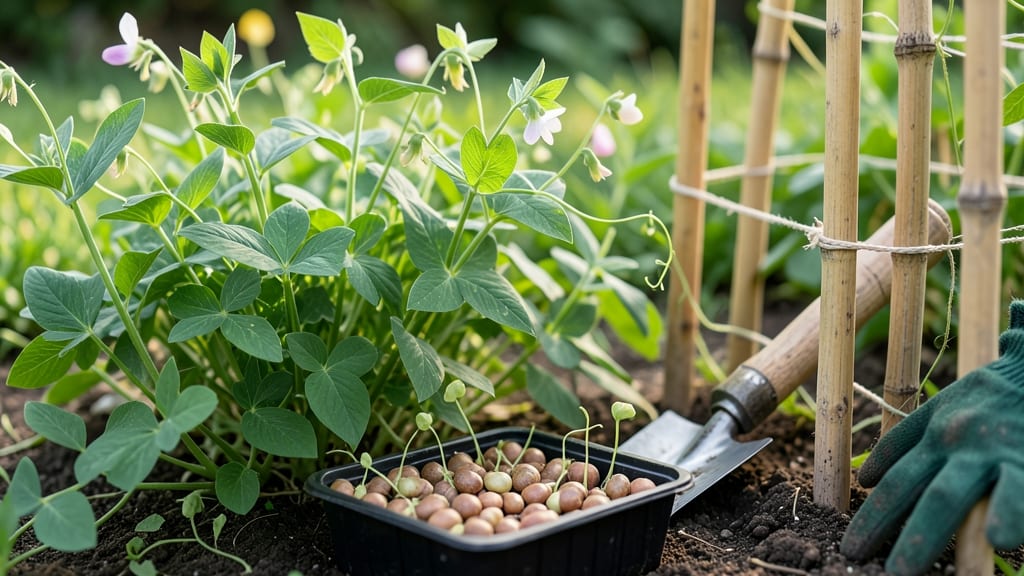
Plant garden peas about 4-6 weeks before your last frost in early spring or 70-90 days before your first frost in late summer for a second harvest.
Timing is everything when growing garden peas—plant too early, and frost will kill your tender seedlings; too late, and you’ll miss the sweet, crisp harvest. The secret lies in your USDA zone and a precise frost-free window that ensures thriving vines and abundant pods.
In Zone 6a, that means getting seeds in the ground by mid-March for spring plantings or late July for fall harvests. Southern gardeners can stretch this window further, while northern growers may need to use row covers or cold frames to protect early starts.
Below, I break down the exact frost-free dates by zone, how to adjust for your microclimate, and the 3 key mistakes that ruin pea planting timing—so you can plan with confidence and avoid wasted effort.
USDA zone planting chart: exact frost-free dates for garden peas
Garden peas thrive in cool weather, making precise planting timing critical for success. Unlike heat-loving crops, they struggle in temperatures above 80°F and require frost-free soil to germinate properly.
The key is planting 4-6 weeks before your last frost date in spring or 70-90 days before your first frost for fall harvests. Let's break down the exact windows by USDA zone to maximize your yield.
Most gardeners focus only on spring planting, but fall plantings can be equally productive in zones 3-7. The secret is selecting early-maturing varieties like 'Green Arrow' (55 days) or 'Little Marvel' (60 days) that finish before winter sets in.
Your zone determines whether you can squeeze in a second crop—something gardeners in zones 4-6 often overlook.
Soil temperature matters more than air temperature for peas. They germinate best in soil between 40-70°F.
If your soil stays below 40°F, wait until it warms naturally or use black plastic mulch to raise soil temps by 5-10°F. This is especially important in zones 3-5 where early springs can delay planting until May.
Notice how fall planting windows shrink dramatically as you move south. Gardeners in zones 9-10 can actually plant peas in winter months when soil temps are perfect (55-70°F). This is a game-changer for extending your harvest season in warm climates.
For these zones, focus on heat-tolerant varieties like 'Oregon Sugar Pod' that handle brief summer heat better than traditional types.
Microclimates can shift your planting window by 2-4 weeks. If you live near water bodies or in sheltered valleys, your last frost date may occur 1-2 weeks later than official records.
Test your microclimate by planting zinnia seeds (they germinate at 70°F) in February—if they sprout, your soil is ready for peas earlier than expected.
One common mistake is planting peas too early in cold soil. Seeds won't germinate below 40°F, and soggy soil from melting snow can cause rot before sprouting.
Use a soil thermometer to verify temperatures before planting. In zones 3-5, this often means waiting until mid-April even if your last frost is in early April.
For fall plantings, calculate backward
How to extend the pea planting season in warm climates
Living in USDA zones 8-10 means summer heat can stress or even kill your garden peas before they produce pods. But with the right strategies, you can grow peas year-round.
The key is fall planting and protecting plants from extreme heat. Start by choosing heat-tolerant varieties like 'Oregon Sugar Pod' or 'Wando', which thrive in warmer conditions.
For a successful fall harvest, aim to plant peas 70-90 days before your first frost. In zone 10, this could mean sowing seeds as late as September.
Use a planting calendar to track your local frost dates and adjust timing accordingly. This timing ensures peas mature before winter sets in.
Key Takeaway: When to Plant Garden Peas in Warm Climates
70-90 days before first frost
'Oregon Sugar Pod', 'Wando'
50-70°F (10-21°C)
30-50% for heat protection
Protect your peas from summer heat stress with shade cloth (30-50% coverage) to keep soil temperatures cool. Install it before planting and remove it once temperatures drop below 85°F.
Pair this with mulching using straw or wood chips to retain moisture and regulate soil temperature. This combo creates a cooler microclimate for your peas.
Prepare your fall planting site by enriching the soil with compost or well-rotted manure. Peas prefer loamy, well-draining soil with a pH of 6.0-7.5. Avoid fresh manure, which can burn tender roots.
Mix in a balanced fertilizer (5-10-10) at planting time to give your peas a nutrient boost without overloading them.
Water deeply once a week during fall planting, focusing on the root zone rather than overhead spraying. Use drip irrigation or soaker hoses to deliver water slowly and evenly.
Avoid wetting the foliage to prevent fungal diseases like powdery mildew, which thrive in warm, humid conditions. Early morning watering is ideal for minimizing evaporation and disease risk.
Monitor your peas for heat stress signs like yellowing leaves or stunted growth. If temperatures exceed 90°F, provide temporary shade with a lightweight row cover or move potted peas to a cooler spot.
Harvest pods promptly when they reach 1-2 inches long to encourage continuous production. With these strategies, you can enjoy fresh peas even in warm climates!