How To
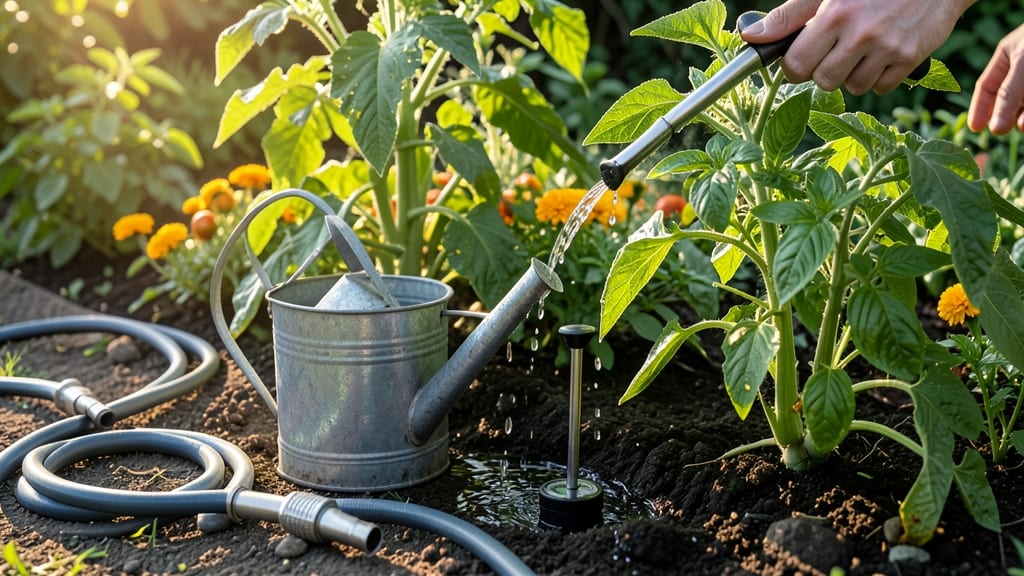
To water your garden properly, you’ll need to match the frequency to your General Garden Plants 🌱, soil type, and weather—because one-size-fits-all watering is a fast track to either soggy roots or thirsty leaves.
Struggling to keep your garden lush without drowning your plants—or letting them wilt? Watering too much or too little can make the difference between a thriving garden and a sad, brown landscape. The secret lies in understanding your plants' unique needs and adjusting your watering schedule by season.
Think about it: a spring vegetable like lettuce needs steady moisture, while a drought-tolerant shrub might survive on half as much. Then there’s the soil—sandy soil drains fast, while clay holds water like a sponge. I’ll break down the science behind it so you can stop guessing and start growing.
By the end, you’ll know exactly how often to water for each plant type, how to tell if you’re over- or underwatering, and the best times of day to water for maximum efficiency. No more wasted water or wilted dreams!
Seasonal watering schedule: how often to water different plants by month
Watering your garden isn't a one-size-fits-all task—it changes with the seasons, plant types, and even your local climate.
In spring, young plants need consistent moisture to establish roots, while summer heat demands more frequent watering to prevent wilting. Fall slows growth, reducing needs, and winter often calls for minimal watering unless you're in a mild climate.
Let's break down the ideal watering schedule by month and plant type to keep your garden thriving year-round.
First, consider your climate zone. Arid regions like Arizona need deep, infrequent watering, while tropical areas like Hawaii may require daily moisture. Temperate zones (like most of the U.S.) fall somewhere in between.
For this guide, we’ll focus on temperate climates, but adjust frequencies if you live in drier or wetter areas. Always check the top 1-2 inches of soil—if it's dry, it's time to water.
🌱
| Plant Type | Spring (Mar-May) | Summer (Jun-Aug) | Fall (Sep-Nov) | Winter (Dec-Feb) | Notes |
|---|---|---|---|---|---|
| Vegetables (Tomatoes, Peppers, Lettuce) | 1-2x/week (1-1.5") | 2-3x/week (1.5-2") | 1x/week (1") | Monthly (0.5") | Deep watering encouraged; mulch helps retain moisture. |
| Flowers (Roses, Petunias, Marigolds) | 2x/week (0.75-1") | 3x/week (1-1.5") | 1x/week (0.5-1") | Bi-weekly (0.5") | Drought-tolerant varieties need less; check soil daily in summer. |
| Shrubs (Hydrangeas, Boxwoods, Lavender) | 1x/week (1") | 2x/week (1.5") | Bi-weekly (1") | Monthly (0.5") | Established shrubs need less; young plants require more. |
| Herbs (Basil, Mint, Thyme) | 2-3x/week (0.5-1") | Daily (0.5") in containers | 1x/week (0.5") | Bi-weekly (0.25") | Container herbs dry out faster; use saucers to catch runoff. |
| Trees (Fruit Trees, Maple, Oak) | Deep watering every 2 weeks | Deep watering every 10-14 days | Monthly deep watering | Minimal watering (check soil) | Young trees need more frequent deep watering; mature trees are drought-tolerant. |
Now that you have a baseline, let’s dive deeper into seasonal adjustments. In spring, focus on establishing roots for new plants. Water deeply but less frequently to encourage roots to grow downward. For example, tomatoes and peppers need consistent moisture,
Signs your garden needs water (or too much water) and how to fix it
Your garden is like a thirsty friend—sometimes it needs a quick sip, other times it's begging for a full glass. Wilting leaves or yellowing foliage are the most obvious signs your plants are thirsty, but they can also signal overwatering if paired with mushy stems or root rot.
The key is learning how to read your plants' signals before they cry out for help.
Start by checking the soil moisture with your finger—stick it about 1 inch deep. If it feels dry, your plants need water. But if it's soggy, you're likely drowning your roots. Healthy soil should crumble easily when lightly squeezed, not stick together like wet clay.
Pay attention to leaf color too: crispy edges often mean underwatering, while droopy, pale leaves suggest overwatering.
🚨 CALLOUT-WARNING 🚨
Most gardeners water 30-50% more than their plants actually need. Root rot from excess moisture blocks oxygen, suffocating roots. Fix it: Let soil dry 2-3 inches deep between waterings, improve drainage with perlite or compost, and water deeply but less frequently.
💧 Pro Tip: Use a moisture meter or the knuckle test—if your knuckle feels dry, water is needed.
Once you've ruled out overwatering, focus on underwatering symptoms. Plants like tomatoes or peppers will show drooping leaves that don't perk up after watering, while herbs like basil may develop crispy leaf edges. Morning watering is ideal because it gives plants time to absorb moisture before evening evaporation.
If your garden feels like a desert at noon, consider mulching to retain moisture.
Don't forget to inspect the undersides of leaves for signs of pests like spider mites, which thrive in both underwatered and overwatered conditions. If you spot white webbing or yellow stippling, increase humidity with a light misting or shade cloth.
For container plants, check the weight of pots—lift them! A dry pot needs water, while a heavy one might be waterlogged.
Seasonal changes drastically alter your garden's water needs.
In summer heat, you might water every 2-3 days, while spring and fall could stretch that to once a week. Newly planted trees need deep, infrequent watering to encourage strong root growth, while annual flowers like marigolds prefer consistent moisture.
Keep a watering journal to track what works for your specific plants.
If your garden feels like a science experiment gone wrong, take a step back and adjust gradually. Overcorrecting can shock plants just as much as neglect. For reviving wilting plants, trim damaged leaves, repot if needed, and monitor closely.
With time, you'll develop a sixth sense for your garden's thirst—trust your observations over rigid schedules. Happy gardening! 🌿