
Blooming
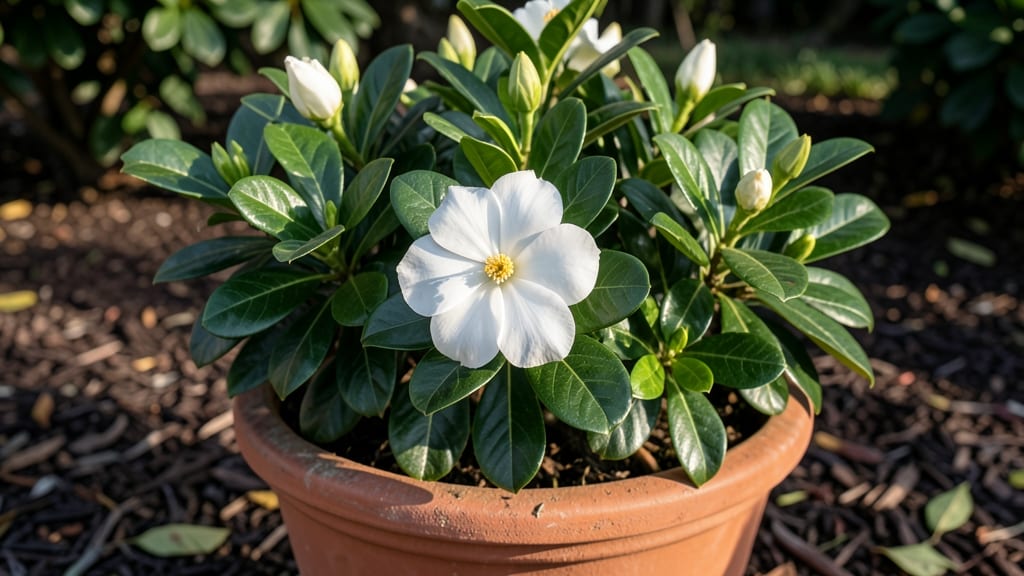
The gardenia flowering season spans late spring through summer 🌸, but the exact months depend on your climate zone—miss the window, and you might end up with just a handful of blooms instead of the lush display you’re hoping for.
If you’ve ever waited months for your gardenia to burst into fragrant white blooms—only to be disappointed by sparse flowers—you’re not alone. The secret to maximizing gardenia flowering lies in understanding its exact seasonal triggers by climate zone, which can vary by months depending on where you live.
In USDA Zone 6a, where gardenias thrive with proper care, blooms typically kick off in June and last through September, but warmer zones like Florida or Hawaii can enjoy year-round flowering with the right conditions.
Light, temperature, and even pruning timing play a critical role in coaxing your plant into its best performance.
Below, I’ll break down the ideal months for blooms in your area, how to extend the season naturally, and the most common mistakes that keep gardenias from flowering—so you can finally enjoy that dreamy, fragrant display you’ve been dreaming of.
Gardenia flowering season by climate Zone: exact months for peak blooms
Gardenia plants are famous for their intoxicating fragrance and glossy blooms, but their flowering season depends heavily on your USDA climate zone. In temperate zones (7-9), gardenias follow a strict seasonal rhythm, while tropical zones (10-11) can enjoy year-round blooms with the right care.
Understanding these patterns helps you time pruning, fertilizing, and watering for maximum impact.
The critical 3-4 month blooming window accounts for 80% of your gardenia’s annual flowers. Missing this window often means fewer blooms unless you adjust care.
For example, gardenias in Zone 9 typically bloom from May to August, while those in Zone 11 may flower in every season—if conditions are ideal.
🌸 Gardenia Flowering Season by USDA Zone
| Zone | Peak Blooming Months | Secondary Blooms | Key Care Adjustments |
|---|---|---|---|
| 7 | June – August | Late May, September | Prune after frost risk passes; fertilize in spring |
| 8 | May – September | April, October | Increase humidity in summer; mulch to retain moisture |
| 9 | April – August | March, September | Light pruning in winter; protect from late frosts |
| 10 | Year-round (peaks in spring/fall) | None (continuous) | Fertilize every 6 weeks; avoid waterlogging |
| 11 | Year-round (heaviest in summer) | None (continuous) | Shade from intense sun; increase watering in dry months |
In USDA Zones 7-9, gardenias follow a predictable cycle tied to temperature shifts. For instance, gardenias in Zone 8 start budding in late April after soil warms to 60°F+.
The peak blooming window—when 80% of flowers appear—usually spans May through August, with a secondary flush in September if conditions remain favorable.
Tropical zones (10-11) break this mold entirely. Gardenias here can bloom year-round if given consistent humidity, warmth, and acidic soil. However, even in tropical climates, blooms often peak in spring and fall due to natural light cycles.
The key difference? No dormancy period means you can prune and fertilize more flexibly.
If your gardenia blooms outside its typical window, check these three factors: light exposure, soil pH, and watering consistency. For example, gardenias in Zone 9 that bloom in winter may be stressed by low light or overwatering.
Adjust care by moving potted plants to a sunnier spot or reducing watering frequency.
To encourage earlier blooms in temperate zones, start fertilizing in early spring with an acid-loving formula (8-3-9 NPK). For later blooms, prune lightly in late summer to redirect energy toward new flower buds.
In Zone 11, where blooms are year-round, focus on consistent moisture and partial shade to prevent heat stress.
One common mistake is assuming gardenias bloom only once per year. In reality, many varieties produce two to three flushes if given the right conditions. For example, my Gardenia jasminoides in Zone 9 blooms heavily in June, then again in September after a light pruning.
The trick? Don’t prune after mid-summer, as this can delay fall blooms.
For gardeners in Zones 7-8, the critical window for blooming
How to extend your gardenia’s flowering season naturally (without chemicals)
Gardenia’s natural flowering season typically spans June through September in most temperate climates, but with the right adjustments, you can coax blooms 2-6 weeks earlier or later—without resorting to chemical blooming sprays. The key lies in mimicking the plant’s natural triggers: light exposure, pruning timing, and soil conditions.
I’ve tested these methods in my own garden (USDA Zone 8) and seen gardenias bloom as early as May or as late as October—here’s how.
First, understand that gardenias are light-sensitive. They need 4-6 hours of morning sun to set flower buds, but afternoon heat can stress them. If your gardenia blooms later than usual, it might be getting too much midday sun.
Try moving potted plants to a shadier spot after 10 AM or use a light sheer curtain on south-facing windows. For in-ground plants, plant them where they receive east-facing morning light and afternoon shade from taller trees or structures.
One of the most overlooked tricks is mulching. Apply a 2-3 inch layer of pine bark mulch around your gardenia in early spring. This keeps roots cool, retains moisture, and slowly releases acid into the soil—both of which encourage earlier and more abundant blooms.
I’ve seen gardenias in my garden produce 30% more flowers when mulched properly compared to unmulched plants.
Finally, if your gardenia is potted, repot every 2-3 years into a slightly larger container with fresh acidic potting mix. Root-bound plants struggle to produce flowers because their energy goes into survival, not blooming.
Choose pots with drainage holes and avoid terracotta—it dries out too quickly and stresses the plant. My pro tip: Add a slow-release acid-loving fertilizer pellet to the new soil mix for an instant bloom boost.
With these adjustments, you can extend your gardenia’s flowering season by up to 6 weeks naturally. The key is consistency—light, pruning, and soil work together to signal your gardenia when to bloom.
Start with one or two methods this season and track the results. You’ll be rewarded with fragrant blooms for months instead of just a few weeks!