
Aphids
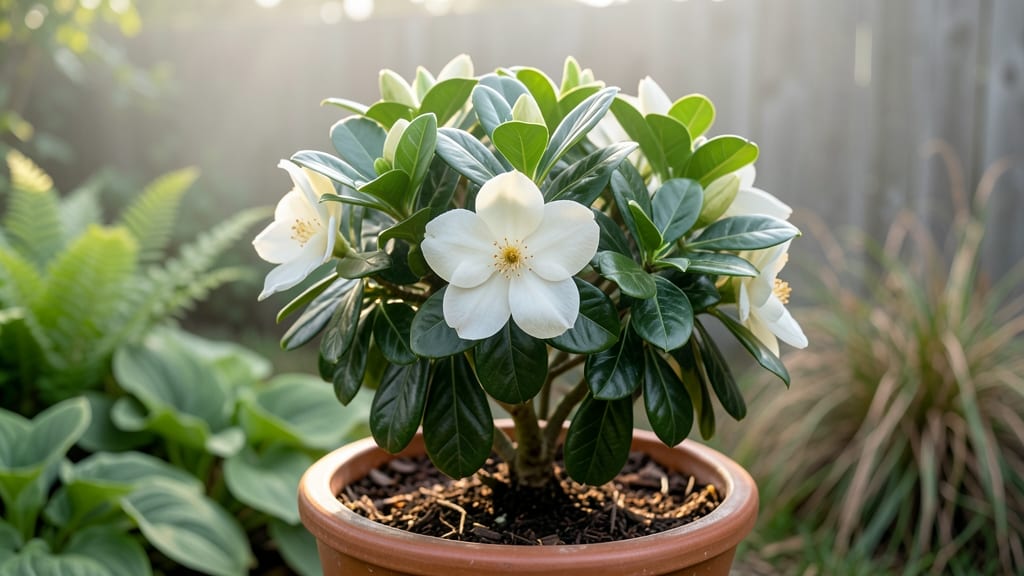
Understanding a gardenia’s mature height and width is the key to keeping it lush and blooming without it taking over your yard.
Struggling to control your gardenia’s wild growth while keeping it lush and blooming? The secret lies in knowing its natural size—some varieties top out at 6 feet while others stay compact at 2 feet.
Pruning at the right time can make all the difference between a sprawling mess and a perfectly proportioned shrub.
Most gardenias reach their full height and width in 3 to 5 years, but dwarf varieties stay smaller if given the right care. Whether you’re dealing with a towering Gardenia jasminoides 🌸 or a compact Gardenia augusta, spacing and pruning are your best tools for managing its spread.
In this guide, I’ll break down how to measure growth, when to trim for bushier blooms, and how to choose the perfect spot so your gardenia thrives without crowding other plants.

Natural gardenia height and width: varieties and growth patterns explained
If you’ve ever wondered why your gardenia jasminoides seems to grow taller than expected or spread wider than your garden bed, you’re not alone. Understanding a gardenia’s natural height and width is the first step to managing its growth—and keeping those fragrant blooms under control.
Different varieties grow at vastly different rates, and climate plays a huge role in how quickly they reach maturity.
Most gardenias fall into the medium-sized shrub category, typically maturing between 2 to 6 feet tall and spreading 3 to 10 feet wide. However, some dwarf varieties stay compact, while others can become small trees if left unchecked.
The key to controlling their size lies in choosing the right variety for your space and understanding how environmental factors influence their growth patterns.
Gardenia jasminoides, the most common type, usually grows 4 to 6 feet tall and 5 to 8 feet wide in ideal conditions. But in cooler climates or with less sunlight, it may stay shorter and bushier. Meanwhile, Gardenia augusta, a tropical relative, can reach heights of 8 to 12 feet in warm, humid environments, making it better suited for large gardens or containers.
Here’s a quick breakdown of how height and width vary by variety, climate, and care—so you can plan your garden layout with confidence.
| Variety | Mature Height | Mature Width | Growth Rate | Best Climate Zones |
|---|---|---|---|---|
| Gardenia jasminoides (Common Gardenia) | 4–6 ft | 5–8 ft | Moderate (1–2 ft/year) | USDA Zones 7–10 |
| Gardenia augusta (Tropical Gardenia) | 8–12 ft | 6–10 ft | Fast (2–3 ft/year) | USDA Zones 10–12 |
| Gardenia radicans (Creeper Gardenia) | 1–3 ft | 3–6 ft (spreading) | Slow to moderate | USDA Zones 8–11 |
| Dwarf Gardenias (e.g., 'Kleim’s Hardy') | 2–3 ft | 3–4 ft | Slow (6–12 in/year) | USDA Zones 6–9 |
Climate is one of the biggest factors in how tall and wide your gardenia will grow. In warmer zones (USDA 10–12), gardenias thrive and can grow 20–30% faster than in cooler regions.
For example, a Gardenia jasminoides in Florida might reach 6 feet tall in just 3 years, while the same plant in Zone 7 may take 5 years to reach that height.
Sunlight also plays a critical role. Gardenias need bright, indirect light to bloom profusely, but too much direct sun can stunt growth or cause leaf burn. In shadier conditions, they’ll grow taller and leggier as they stretch toward light, while morning sun with afternoon shade promotes bushier
Pruning gardenias for controlled size: step-by-step techniques to limit spread
Pruning your gardenia isn’t just about trimming back wild growth—it’s about shaping its height and width while encouraging bushier blooms. The key is timing and technique. Late winter or early spring, just before new growth begins, is the best time to prune.
This gives your plant time to recover and bloom beautifully by summer. Avoid pruning in fall or winter, as it can stress the plant and delay spring blooms.
Before you grab your shears, gather the right pruning tools. A pair of sharp bypass pruners for clean cuts and sterilized shears to prevent disease spread are essential. For larger branches, a hand pruner with long handles makes the job easier.
Always clean your tools with rubbing alcohol between cuts to avoid transferring bacteria or fungi, which can harm your gardenia.
Now, let’s get to the step-by-step pruning process. The goal is to maintain a balanced shape while controlling its height and width. Follow these steps to achieve a lush, compact gardenia that stays within your desired space.
-
Step 1: Remove Dead or Diseased Branches
Start by inspecting your gardenia for any dead, damaged, or diseased branches. Cut these back to the nearest healthy growth using sterilized pruners. This step ensures your plant stays healthy and focuses energy on new growth.
-
Step 2: Thin Out Overcrowded Areas
Look for areas where branches are too close together, which can lead to poor airflow and increased disease risk. Remove 1/3 of the oldest branches at the base to encourage new, younger growth. This also helps control the width of your gardenia.
-
Step 3: Shape the Canopy
To maintain a compact shape, focus on trimming the outer branches. Cut back 1/3 of the current season’s growth on the tips of branches to encourage bushier growth. Avoid cutting into old wood, as gardenias bloom on new wood.
-
Step 4: Control Height
If your gardenia is getting too tall, target the uppermost branches. Cut back the tips of the tallest branches by 1/3 to 1/2 to promote lateral branching. This will help keep your gardenia’s height in check while maintaining its lush appearance.
-
Step 5: Clean Up and Sterilize
After pruning, clean up all debris from the ground to prevent pests or diseases from taking hold. Sterilize your pruners again with rubbing alcohol to ensure they’re ready for the next use. This step keeps your gardenia and tools in top condition.
When pruning, it’s easy to make mistakes that can harm your gardenia. One common error is pruning too late in the season, which can stunt new growth and reduce blooms. Another mistake is cutting into old wood, as gardenias bloom on new growth.
Always make cuts just above a leaf node or bud to encourage healthy regrowth. Avoid over-pruning, which can stress the plant and leave it vulnerable to pests or disease.
After pruning, give your gardenia some extra care to help it recover. Water deeply to help the plant establish new roots, and apply a balanced fertilizer to support new growth.
Keep an eye on your gardenia over the next few weeks, and you’ll see it transform into a bushier, more controlled plant with plenty of blooms. With the right technique, you can enjoy a gardenia that stays within your desired height and width while still looking stunning.