
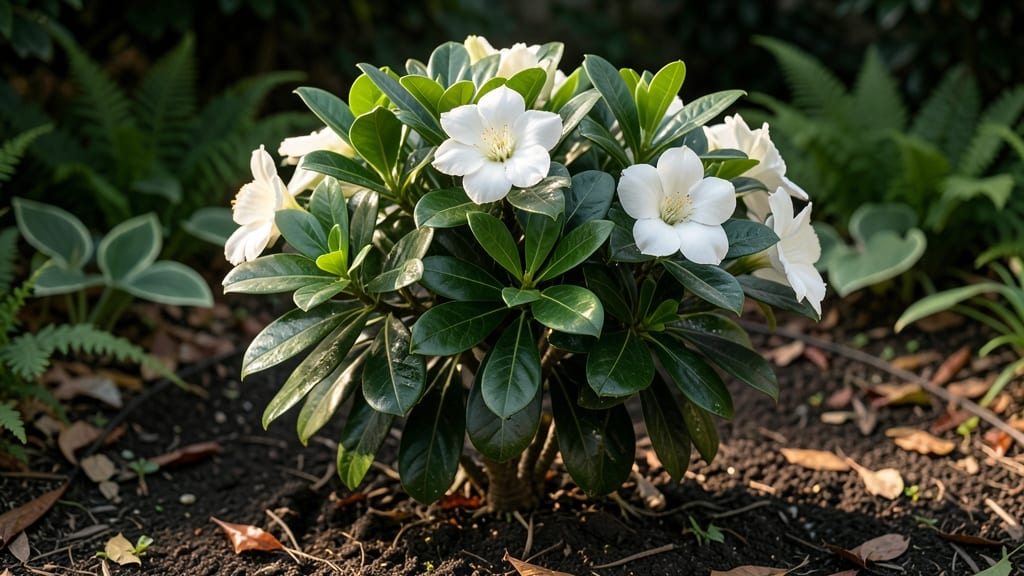
Gardenia Plant Size: How Tall They Grow by Variety and Care Needs

Planting

Gardenia Plant Size: How Tall They Grow by Variety and Care Needs

Understanding gardenia plant size is the first step to choosing the right variety for your space—because these fragrant shrubs range from compact patio plants to towering tropical giants.

If you’re dreaming of fragrant, glossy-leaved gardenias but wondering how much space they’ll need, you’re not alone. Some varieties stay under 3 feet, while others stretch toward 15 feet with proper care.

The difference often comes down to pruning, soil, and sunlight—all of which I’ll break down so you can pick the perfect fit for your garden.

Most gardenias mature between 4 and 6 feet, but dwarf types like ‘Radicans’ stay under 3 feet, making them ideal for containers or small yards. Meanwhile, standard varieties can reach 6 feet or more in ideal conditions, creating a lush, fragrant hedge or privacy screen.

Below, I’ll cover how to control their growth, the fastest-growing varieties, and when to prune for bushier blooms—so you can enjoy those iconic white flowers without overcrowding your space.

🌸 Gardenia Planting Timeline
🌸
🍂 🍁 🍂 🍁
zz
☀️
🍂
❄️
Spring Summer Fall Winter
🌱 Plant: March - April (after last frost in cooler zones)
🌸 Harvest: N/A (ornamental, not harvested)

Gardenia plant size by variety: dwarf to giant growth charts

Choosing a gardenia means balancing your dream of fragrant blooms with your space constraints. Some varieties stay compact enough for container gardens, while others grow into privacy hedges. The key difference? Genetics and care—especially pruning and sunlight exposure.

For example, the ‘Radicans’ gardenia stays under 3 feet, while ‘Kleinhovia’ can reach 12 feet. Let’s break down the size expectations for 10 popular varieties to help you pick the perfect fit for your garden.

Before we dive into specifics, remember: gardenias thrive in USDA Zones 9b-11 (or with winter protection in cooler zones). Their growth rate slows dramatically in shade or poor soil, so always plant in well-draining, acidic soil (pH 5.0–6.5) with morning sun.

With the right conditions, most gardenias grow 1–2 feet per year until they reach maturity—often between 3 to 5 years.

Variety Mature Height Spread Growth Rate Best For Care Tips
Gardenia jasminoides ‘Radicans’ 2–3 ft 3–4 ft Slow (6–12 in/year) Containers, patios Prune after blooms; use 15-gallon pots
Gardenia jasminoides ‘Kleinhovia’ 10–12 ft 8–10 ft Moderate (12–18 in/year) Privacy screens, tropical backdrops Stake young plants; mulch heavily
Gardenia jasminoides ‘Veitchii’ 3–5 ft 4–5 ft Moderate (10–12 in/year) Foundation plantings Shear annually for shape; avoid overwatering
Gardenia jasminoides ‘Fortuniana’ 4–6 ft 5–6 ft Moderate (12 in/year) Borders, hedges Fertilize monthly in spring; deadhead spent blooms
Gardenia augusta ‘Mystery’ 6–8 ft 6–8 ft Fast (18–24 in/year) Specimen plants, tropical gardens Plant in partial shade; mulch with pine bark
Gardenia jasminoides ‘Belinda’ 2.5–3.5 ft 3–4 ft Slow (6–10 in/year) Containers, balconies Use 10–15 gallon pots; avoid cold drafts
Gardenia jasminoides ‘Radicans Compacta’ 1.5–2.5 ft 2–3 ft Very slow (4–8 in/year) Tabletop displays, fairy gardens

How pruning and care affect gardenia plant size (and how to control it)

Your gardenia’s size isn’t just about genetics—it’s a direct result of pruning techniques, light exposure, and soil conditions. Without proper care, even dwarf varieties can stretch into leggy monsters, while standard types may stay compact with the right approach.

The key is understanding when and how to prune for either bushier growth or height control, plus adjusting care to match your desired shape.

Leggy gardenias often signal overcrowding or inadequate light, but they can be revived with strategic pruning and soil adjustments. The goal? A full, fragrant shrub that stays within your space—whether that’s a 2-foot patio plant or a 6-foot privacy screen.

Let’s break down the steps to control your gardenia’s size without sacrificing those show-stopping blooms.

🌱 Step-by-Step Guide to Managing Gardenia Size

  1. Step 1: Prune for Bushiness – Cut back 1/3 of leggy stems in early spring (before blooms appear). Focus on inner branches to encourage outward growth. Use clean, sharp shears to avoid tearing.
  2. Step 2: Control Height – For taller varieties, prune top growth after flowering (late summer). Trim just above a leaf node to redirect energy downward and prevent overtopping.
  3. Step 3: Adjust Light Exposure – Move plants to morning sun + afternoon shade if they stretch toward light. Too much direct sun causes leaf scorch, while too little shade leads to weak, elongated stems.
  4. Step 4: Test Soil pH – Gardenias thrive in acidic soil (pH 5.0–6.5). If pH is too high (alkaline), add sulfur or peat moss to encourage compact growth and vibrant blooms.
  5. Step 5: Fertilize Strategically – Use a balanced acid fertilizer (10-10-10) every 6 weeks in spring and summer. Avoid over-fertilizing, which can lead to excessive leafy growth at the expense of flowers.
  6. Step 6: Revive Leggy Plants – If your gardenia is overly stretched, prune back 1/2 of the height in early spring. Pair with regular watering and partial shade to promote bushier regrowth.

Pruning at the wrong time can stunt blooms—always wait until after flowering for height control, but prune before buds form in spring to encourage bushiness. A well-timed haircut keeps your gardenia lush, fragrant, and perfectly sized for your space.

For container gardenias, prune more aggressively to maintain shape, as roots are root-bound and growth is limited. In-ground plants, however, can spread wider if given room—so mulch around the base to keep roots cool and encourage outward growth instead of upward.

Remember: Soil health is just as critical as pruning. Amend heavy clay with compost or pine bark to improve drainage, which prevents root stress and leggy growth. A happy gardenia is a compact, blooming powerhouse—not a towering, sparse shadow of its potential.

With these steps, you’ll transform your gardenia from a wild, unruly shrub into a manicured, fragrant centerpiece—no matter how much (or little) space you have. Happy pruning! 🌿

★★★★★5.0(15 reviews)
Categories Planting