
Watering
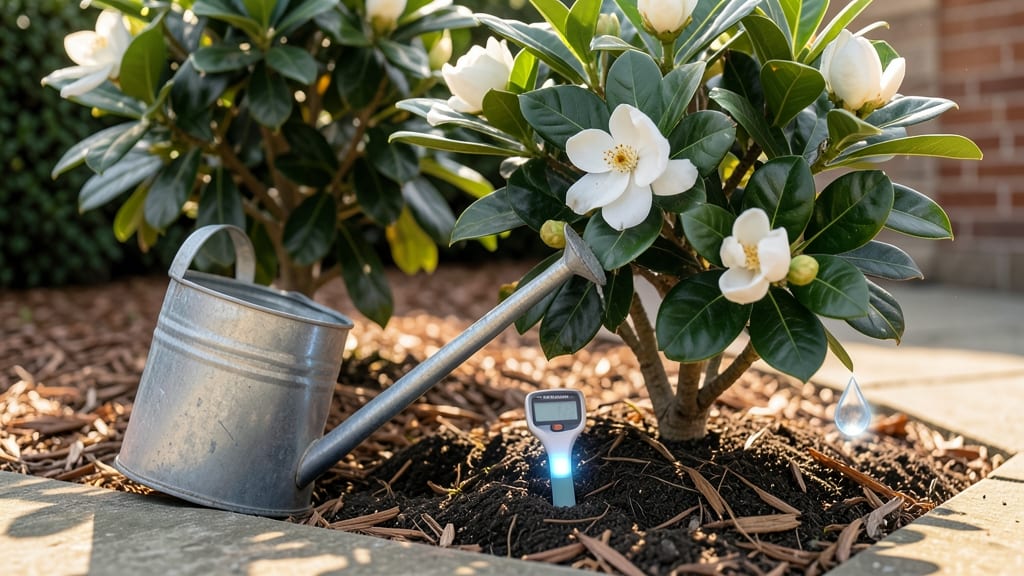
Mastering gardenia water requirements is the key to keeping your 🌸 fragrant blooms thriving year after year.
Struggling to keep your gardenia blooming as beautifully as it should? The secret often lies in mastering its water needs—too much or too little can turn lush foliage into wilted disappointment. These tropical favorites crave consistent moisture but hate soggy roots, making the balance trickier than it looks.
In this guide, you’ll learn how to read your gardenia’s thirst cues, adjust for your climate, and avoid the most common watering mistakes that lead to yellow leaves or dropped buds. Whether you’re dealing with humid summers or dry winters, these tips will keep your plant happy and blooming.
From morning watering routines to the best mulching strategies, we’ll break down everything you need to know for perfectly moist soil—without the guesswork.


How much water does a gardenia need for optimal growth?
Gardenia plants thrive when their water needs are met just right—neither soggy nor bone-dry. As an acid-loving shrub, gardenias crave consistent moisture in their root zone, but their delicate roots can rot if overwatered.
The key is deep, infrequent watering that mimics natural rainfall patterns while accounting for your local climate and soil type.
In my experience, gardenias planted in well-draining soil (like sandy loam) need about 1-1.5 inches of water weekly during the growing season. However, container-grown gardenias dry out faster and may require watering every 3-5 days in hot weather.
The trick is to let the top 1-2 inches of soil dry out between waterings—stick your finger in the soil to check!
Here’s the science-backed breakdown you’ve been waiting for—because every gardener’s soil and climate differ, I’ve created a quick-reference table to guide your watering schedule:
Your gardenia’s soil type plays a huge role in water retention. Sandy soil drains quickly, so you’ll need to water more frequently, while clay soil holds moisture longer but risks suffocating roots.
If your gardenia is in heavy clay, amend the soil with organic matter like compost or peat moss to improve drainage. Pro tip: Mulch around the base with pine bark or shredded leaves to lock in moisture and regulate soil temperature.
Seasonal adjustments are critical—summer heat demands more frequent watering, while winter slows down growth. In hot climates, I’ve found that gardenias need watering every 2-3 days in peak summer, especially if they’re in full sun.
Conversely, in humid regions, reduce watering slightly to prevent fungal diseases like powdery mildew, which thrives in damp foliage.
One common mistake I see is watering gardenias on a strict schedule without checking soil moisture. Instead, use the "finger test": Insert your index finger into the soil about 1-2 inches deep.
If it feels dry, it’s time to water. This method prevents both overwatering (which causes root rot) and underwatering (which leads to leaf drop and bud failure).
For container gardenias, pay extra attention to drainage. Ensure pots have holes at the bottom and use a well-draining potting mix blended with perlite or orchid bark. I’ve learned the hard way that plastic containers can trap moisture—opt for terracotta or fabric pots if you’re concerned about root health.
Always water until you see excess moisture drain from the bottom, then empty the saucer to prevent waterlogging.
Another pro tip: Water your gardenia in the early morning (between 6-10 AM). This allows foliage to dry quickly, reducing the risk of fungal infections like botrytis blight. Avoid evening watering, as damp leaves overnight create the perfect environment for pests and diseases.
If you must water in the evening, use a soaker hose to deliver moisture directly to the roots without wetting the leaves.
Watch for these visual cues to fine-tune your watering routine: Wilting leaves signal underwatering, while yellowing leaves or mushy stems indicate overwatering. Adjust your schedule based on these signs, and
Signs your gardenia is overwatered or underwatered (and how to fix it)
Your gardenia thrives on balance—especially when it comes to water. Too much moisture leads to root rot, while too little causes bud drop and wilted leaves. The key is observing subtle cues like leaf color, soil texture, and growth patterns.
I’ve learned that yellowing leaves or mushy stems scream "overwatered," while crispy edges and drooping foliage signal dehydration.
Start by checking the soil moisture 1-2 inches below the surface. Stick your finger in—if it feels damp, hold off on watering. Gardenias prefer consistently moist (not soggy) soil, especially during blooming season.
In containers, soil dries faster, so I water mine every 3-5 days in summer, adjusting for humidity and heat.
⚠️ WARNING: Common Watering Mistakes ⚠️
For overwatered gardenias, I trim affected leaves and repot the plant in fresh, well-draining soil. Adding perlite or sand helps aerate compacted soil.
If roots look mushy or black, prune them with sterilized shears and let the plant dry out before watering again. Morning watering is best—it gives excess moisture time to evaporate.
When underwatering is the issue, give your gardenia a deep soak until water drains from the pot’s bottom. I mulch around the base with organic matter (like pine bark) to retain moisture.
In extreme heat, I water twice daily—once in the early morning and again in the late afternoon—to combat evaporation.
Don’t ignore leaf discoloration or bud drop—these are early warnings. I test soil pH (gardenia loves acidic soil, 5.0–6.5) and adjust fertilizers if needed. A moisture meter ($10 at garden centers) takes the guesswork out of watering.
Trust your plant’s signals: healthy gardenias have glossy leaves, firm stems, and fragrant blooms.
Consistency is key. I’ve revived struggling gardenias by sticking to a watering schedule and monitoring soil conditions. If your plant’s leaves feel spongy or stems wilt instantly when touched, act fast—adjust your routine before it’s too late.
With the right balance, your gardenia will reward you with show-stopping blooms all season. 🌸