
Companion Plants
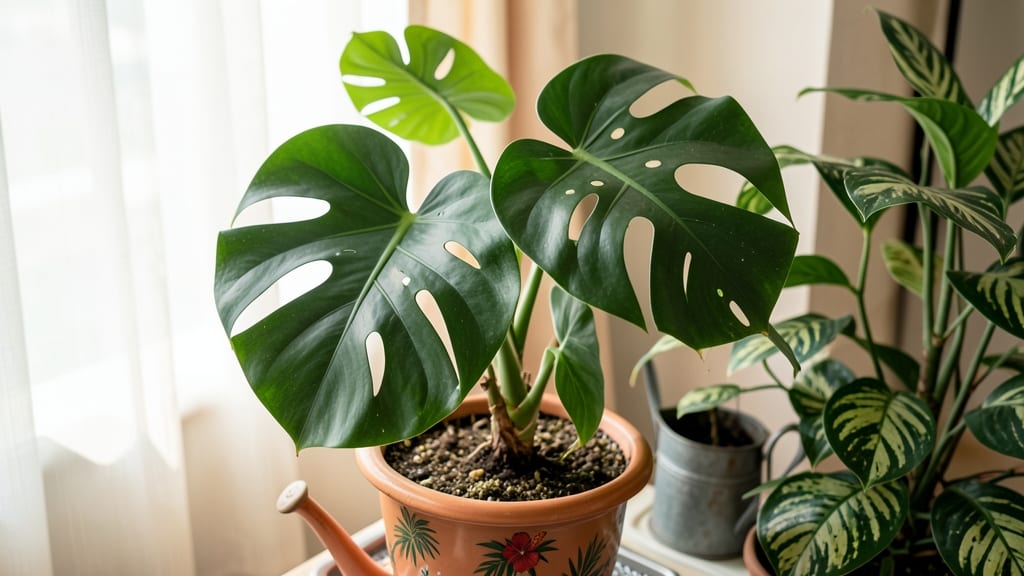
Gardening tropical plants 🌴 thrives when you nail humidity—the one factor most gardeners overlook until the leaves start curling.
Picture this: Your hibiscus is wilting in a sunny corner, even though you’re watering it daily. The problem isn’t drought—it’s the dry air sucking moisture right out of the leaves. Tropical plants need 60-80% humidity to stay lush, and indoor air is usually stuck at 30-50%.
Here’s the good news: You don’t need a fancy greenhouse. With a few simple tweaks—like grouping plants, using pebble trays, or even placing them near the kitchen sink—you can recreate their natural environment. I’ll show you exactly how, plus the three biggest humidity mistakes that are secretly killing your foliage.
By the end, your tropical plants won’t just survive—they’ll thrive year-round, whether you’re in a humid climate or battling dry indoor air. Let’s fix that crispy-edge problem for good.
How humidity levels affect tropical plants: key thresholds
Tropical plants thrive when humidity levels mirror their native rainforest environments, typically between 60% and 80%. When humidity drops below 50%, your tropical foliage will start showing signs of distress, like brown leaf edges or crispy tips.
This is because these plants evolved in environments where moisture lingers in the air, not just the soil. Understanding these thresholds can mean the difference between a lush, vibrant plant and one struggling to survive.
Most tropical plants, from orchids to ferns, rely on high humidity to regulate their water intake and prevent dehydration. When humidity is too low, plants lose moisture through their leaves faster than they can absorb it from the soil.
This imbalance causes leaf scorch and stunted growth. Even hardy tropical varieties like monstera or bird-of-paradise will show stress if humidity falls below 60% for extended periods.
🌱 Did you know? Some tropical plants, like calatheas, are so sensitive to humidity that they’ll drop leaves entirely if conditions aren’t ideal. This isn’t just about aesthetics—dropping leaves is their way of conserving energy in hostile conditions.
| Plant Type | Ideal Humidity | Signs of Low Humidity | Care Tips |
|---|---|---|---|
| Orchids | 70-80% | Brown tips, wrinkled leaves | Mist daily, use pebble trays |
| Ferns | 65-75% | Crispy fronds, slow growth | Group with other plants, humidifier |
| Calatheas | 70-80% | Leaf drop, yellowing | Avoid drafts, mist leaves |
| Monstera | 60-70% | Brown spots, slow fenestration | Humidifier near plant, rotate weekly |
| Philodendrons | 55-70% | Dry leaf edges, curling | Group plants, pebble tray |
Measuring humidity is easier than you think. A hygrometer is the gold standard, but you can also use DIY methods like the hair curl test. Simply place a strand of human hair over a piece of paper and mark its position.
If the hair straightens, humidity is rising; if it curls further, it’s dropping. While not as precise, this method works in a pinch and costs nothing. For more accuracy, invest in a $10-$20 hygrometer from your local garden center.
If your tropical plants are showing signs of stress, don’t panic—adjustments can often reverse the damage. Start by grouping plants together to create a microclimate with higher humidity. This works especially well for small spaces where a humidifier isn’t practical.
Place pots on pebble trays filled with water and pebbles to increase local humidity without overwatering the soil.
💧 Pro Tip: Avoid misting leaves in the evening, as this can promote fungal growth. Instead, mist in the morning when leaves have time to dry. For large tropical plants, consider placing them near bathrooms or kitchens, where steam from showers or cooking naturally boosts humidity.
Even with the right humidity levels, airflow
5 Humidity hacks to transform your indoor tropical garden
Indoor tropical plants like monstera and philodendron thrive when humidity mimics their natural rainforest homes. But dry indoor air can leave leaves crispy and brown. The good news? You don’t need expensive equipment to boost moisture levels. Small, strategic changes can make a huge difference in just days.
Start by understanding your space. Bathrooms and kitchens naturally produce humidity from showers and cooking, making them perfect spots for tropical plants. Even a simple DIY spray bottle can revive wilting foliage. Let’s dive into five budget-friendly hacks that’ll transform your indoor jungle.
-
🌱 Group plants together
Cluster 3-5 plants in one area to create a microclimate. Their combined transpiration raises humidity naturally. Perfect for small spaces like windowsills or bookshelves. -
🪴 Use pebble trays
Fill a shallow tray with pebbles and water. Place pots on top—evaporation increases humidity around roots. Ideal for drought-sensitive plants like ferns. -
💧 DIY spray bottles
Fill a spray bottle with room-temperature water and mist leaves daily. Avoid soggy soil—focus on foliage. Best for large-leafed plants like calatheas. -
☁️ Position near moisture sources
Place plants 6 inches from bathrooms or kitchens. The steam from showers or boiling water adds free humidity without extra effort. -
🌡️ Invest in a humidifier
For larger setups, a $30 humidifier covers 300 sq ft. Set it to 60-70% humidity—ideal for orchids and palms. Run it near your plant collection.
For small spaces, focus on grouping plants and pebble trays—both require minimal investment. A single pebble tray can raise humidity by 10-15% around your plants. If you’re working with a larger setup, combine a humidifier with strategic placement near moisture sources like bathrooms.
Pro tip: Rotate your plants every 2-3 weeks to ensure even humidity exposure. This prevents one side from drying out while the other thrives. Monitor leaves for crispy edges—a sign humidity is too low—and adjust your hacks accordingly.
With these five tricks, your tropical plants will reward you with glossy leaves and rapid growth. Start with one hack this week, and watch your indoor jungle flourish without breaking the bank.