
Tools
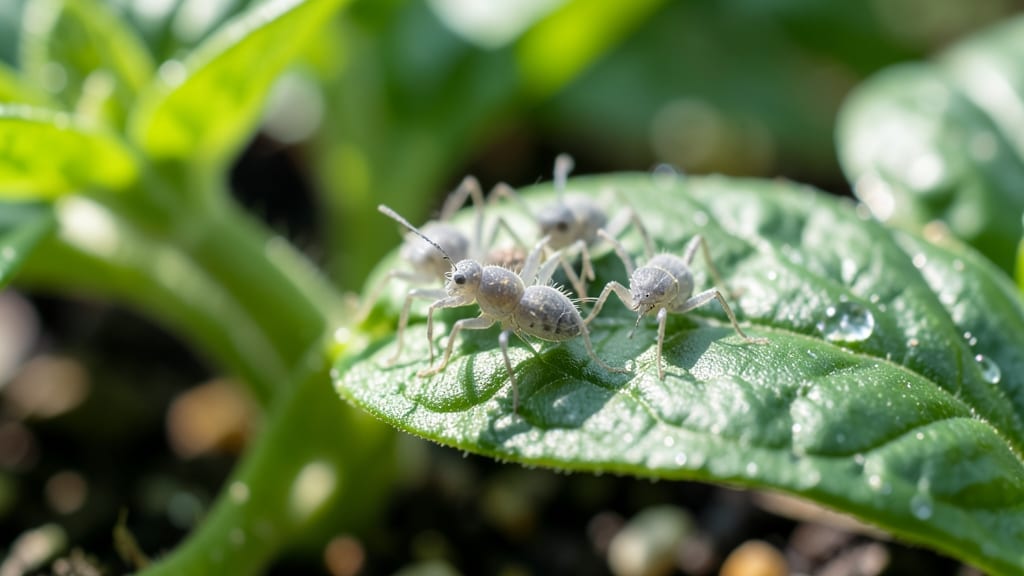
Gray bugs in your garden 🐛 can turn a thriving plot into a battleground overnight, leaving you scrambling to identify the culprit before your plants suffer.
Picture this: You step into your backyard expecting a peaceful morning, only to spot tiny gray invaders clinging to your leaves or skittering across the soil. These pests—whether aphids, fungus gnats, or slugs—often fly under the radar until their damage becomes visible.
The good news? With the right fast identification and removal methods, you can reclaim your garden before it’s too late.
Most gardeners assume gray bugs are harmless or that chemical sprays are the only solution—but there are natural, chemical-free ways to tackle them. From neem oil sprays to diatomaceous earth, we’ll cover the most effective remedies tailored to each type of gray pest.
No guesswork, just actionable steps to protect your plants.
In this guide, you’ll learn how to spot these bugs early, eliminate them quickly, and keep them from returning. Whether you’re dealing with a sudden infestation or want to prevent one, these strategies will save you time, money, and frustration.
Common gray garden bugs: identification guide by appearance & behavior
Gray bugs in your garden aren’t always easy to spot, but their presence can signal serious trouble for your plants. These tiny invaders often hide under leaves or blend into soil, making identification tricky.
The key to protecting your garden lies in recognizing their unique traits—whether it’s their size, movement patterns, or seasonal activity. Let’s break down the most common gray garden pests so you can act fast before they cause damage.
Many gardeners assume all gray bugs are harmful, but some—like gray aphids or earwigs—can actually be beneficial in small numbers. Others, such as fungus gnats or gray beetles, can wreak havoc on your plants if left unchecked.
Understanding their life cycles and preferred habitats helps you choose the right removal methods. Below, we’ll compare the most frequent offenders with visual cues to make identification effortless.
Visual identification is your first line of defense. Most gray bugs share a muted color palette, but their body shape, leg structure, and wing patterns (if applicable) set them apart. For example, gray aphids cluster in groups, while earwigs hide in damp areas. Use the table below to compare their key features and determine which pest is invading your garden.
| Bug Type | Size (Adult) | Color & Markings | Body Shape | Legs/Wings | Seasonal Activity |
|---|---|---|---|---|---|
| Gray Aphids | 1/16" (1.6mm) | Matte gray, sometimes black | Pear-shaped, soft | No wings (nymphs) | Spring to Fall |
| Spider Mites | 1/50" (0.5mm) | Gray to reddish-brown | Round, tiny | 8 legs, no wings | Summer (dry heat) |
| Fungus Gnats | 1/8" (3mm) | Grayish-black, long legs | Slender, mosquito-like | Long wings, 6 legs | Indoor/outdoor year-round |
| Earwigs | 1/2" (12mm) | Gray-brown, pincers | Oval, flattened | 6 legs, no wings | Spring to Fall (moist areas) |
| Gray Beetles | 1/4" to 1/2" (6-12mm) | Matte gray, hard shell | Oval, rounded | 6 legs, wing covers | Summer evenings |
One of the most common gray bugs you’ll encounter is the gray aphid, which often clusters on the undersides of leaves. These pests suck plant sap, leaving behind sticky residue (known as honeydew) that can attract ants and promote fungal growth.
Their soft bodies make them easy to crush between your fingers, but they reproduce rapidly, so manual removal alone won’t solve the problem long-term.
Spider mites, though tiny, can cause significant damage by weaving fine webs on leaves. Unlike aphids, they thrive in hot, dry conditions and often go unnoticed until your plants start yellowing. Check the undersides of leaves with a magnifying glass—you’ll spot their speck-like bodies and delicate webbing if they’ve infested your garden.
If you’re dealing with fungus gnats, you’ll likely notice them hovering near damp soil or houseplants. These grayish-black flies lay eggs in moist potting mix, and their larvae feed on roots, stunting
Natural removal methods for gray bugs: chemical-free solutions that work
Once you’ve identified the gray bugs invading your garden, the next step is removing them safely without harming your plants or the environment. Chemical-free solutions are not only safer but often more effective in the long run, as they target pests while preserving beneficial insects and soil health.
My go-to methods include organic sprays like neem oil and insecticidal soap, which disrupt the life cycle of gray bugs without leaving toxic residues. For a more hands-on approach, homemade remedies like soapy water or diatomaceous earth can be incredibly effective when applied correctly.
Here’s how to weigh your options for the most effective chemical-free solutions tailored to your garden’s needs:
Pros & Cons of Natural Gray Bug Removal Methods
- Pros: Kills eggs & adults, safe for most plants
- Cons: Strong odor, requires reapplication
- Pros: Fast-acting, biodegradable
- Cons: Must be reapplied after rain
- Pros: Inexpensive, easy to make
- Cons: Can harm beneficial insects
- Pros: Long-lasting, non-toxic
- Cons: Loses effectiveness when wet
- Pros: Prevents infestations naturally
- Cons: Requires planning & space
- Pros: Sustainable, eco-friendly
- Cons: Slow to establish
For aphids or spider mites, a neem oil spray (mix 1 tbsp neem oil with 1 tsp mild soap in 1 quart water) works wonders when sprayed directly on infested leaves. Reapply every 7-10 days or after rain to maintain effectiveness.
If you prefer a homemade solution, a soapy water spray (1 tsp castile soap per quart of water) can knock out soft-bodied bugs like aphids instantly. Just be sure to avoid spraying beneficial insects like ladybugs, which help control pests naturally.
For earwigs or gray beetles, sprinkle diatomaceous earth around plant bases and garden beds. This fine powder dehydrates bugs on contact but is harmless to humans and pets once settled. Reapply after watering to maintain its effectiveness.
Finally, cultural controls like pruning infested foliage and introducing companion plants (e.g., marigolds or basil) can deter gray bugs before they become a problem. Pair these methods with beneficial insects like lacewings or predatory mites for a holistic approach.