Plants
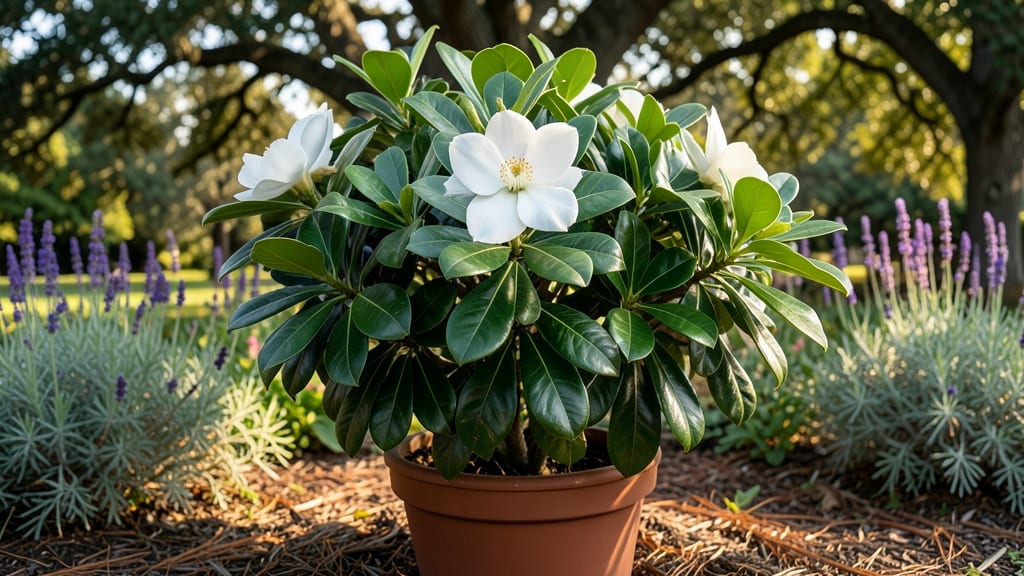
Gardenias grow to sizes ranging from compact shrubs to towering plants, depending on the variety you choose 🌸—and knowing their mature dimensions helps you plan your garden layout from the start.
If you’re dreaming of fragrant gardenias but wondering whether they’ll fit in your garden—or your patio—knowing their mature size is key to planning.
These tropical favorites vary dramatically by variety, from dwarf types that stay under 3 feet to standard shrubs that reach 6 feet or more, and choosing the right type could mean the difference between a low-maintenance beauty and a space-hogging headache.
For example, Gardenia jasminoides, the most common type, typically matures between 3 and 6 feet tall with a spread of 3 to 5 feet, making it ideal for hedges or specimen planting in larger gardens.
Meanwhile, dwarf varieties like ‘Radicans’ stay under 3 feet, perfect for containers or small spaces.
In this guide, I’ll break down the mature size ranges of popular gardenia varieties, share tips for managing growth through pruning and sunlight, and help you pick the perfect type for your space—whether you’re aiming for a fragrant hedge or a potted patio centerpiece.
Gardenias mature size by popular variety: a complete growth chart
Choosing a gardenia isn’t just about its intoxicating fragrance—it’s also about space. Some varieties stay compact enough for patio pots, while others grow tall enough to rival small trees.
The G. jasminoides family alone spans from 3-foot dwarfs to 20-foot giants, so knowing the mature size helps you pick the perfect plant for your garden’s layout.
Gardenias thrive in USDA Zones 7–10, but their size varies wildly. A ‘Radicans’ gardenia might fit snugly in a 5-gallon container, while a ‘Veitchii’ needs a 10-foot radius to spread.
Below, I’ve broken down the most popular varieties with real-world comparisons—think basketball hoops, dining tables, and small cars—to help you visualize their scale.
| Variety | Mature Height | Spread | Growth Habit | Size Comparison |
|---|---|---|---|---|
| ‘Kleim’s Hardy’ | 6–10 ft | 8–12 ft | Upright, multi-stemmed | Taller than a basketball hoop |
| ‘Radicans’ | 3–5 ft | 4–6 ft | Trailing, mounding | Height of a dining table |
| ‘Veitchii’ | 15–20 ft | 10–15 ft | Tree-like, single trunk | Taller than a small car |
| ‘Fortuniana’ | 8–12 ft | 6–10 ft | Bushy, rounded | Height of a garage door |
| ‘Mystery’ | 4–6 ft | 5–7 ft | Compact, dense | Slightly taller than a person |
| ‘August Beauty’ | 3–5 ft | 4–5 ft | Bushy, upright | Height of a refrigerator |
| ‘Clew’s Cream’ | 5–8 ft | 6–8 ft | Vigorous, spreading | Taller than a door frame |
| ‘Radicans’ (Dwarf) |
How gardenia size affects care: sun, pruning, and container needsYour gardenia’s mature size isn’t just about aesthetics—it directly impacts how much sunlight it needs, how aggressively you should prune, and whether it’ll thrive in a container or ground planting. A dwarf variety like ‘Radicans’ might need just 5 gallons of soil and partial shade, while a standard gardenia like ‘Veitchii’ demands full sun and deep root space. Let’s break down how size shapes care to keep your plant happy and blooming. For container gardeners, size is the #1 factor. A 5-gallon pot works for dwarf varieties (3–5 ft tall), but larger gardenias (6+ ft) need 12+ inches of soil depth and 15-gallon containers to prevent root binding. Without proper root space, your plant will stunt growth and produce fewer flowers—even with perfect sunlight and water. ⚠️ callout-warning
⚠️ Size Shock Warning!
Planting a large gardenia in a too-small container causes root circling, leading to leaf drop and poor blooms. Always match pot size to mature root ball—never upsize later! For ground plants, ensure 3x the spread in soil depth (e.g., 6-ft spread = 18-inch deep hole). Sunlight needs shift with size: Dwarf gardenias (3–5 ft) thrive in morning sun + afternoon shade, while tall varieties (6+ ft) crave 6+ hours of direct sun daily. A Kleim’s Hardy (5–6 ft) in a shady spot will grow leggy and sparse, but the same plant in full sun blooms 3x more abundantly. Use reflective mulch (like white gravel) to boost light for container plants. Pruning frequency also depends on size. Dwarf gardenias need light trims once a year (after blooming), while large varieties benefit from quarterly shaping to control height and encourage airflow. Here’s my pruning timeline for ideal shape:
Containers add another layer: Dwarf varieties in 5-gallon pots need weekly watering, while large gardeniasself-watering pots or moisture meters to avoid over/under-watering. Pro tip: Elevate containers 2 inches off the ground to prevent root rot from poor drainage. For ground plants, mulch depth matters—3 inches of pine bark keeps roots cool and retains moisture, but never pile mulch against the trunk (this suffocates stems). Larger gardenias also need staking in windy areas; use hidden bamboo stakes for a clean look. With the right size-based care, your gardenia will reward you with year-round fragrance and lush growth. 🌿 |