
How To
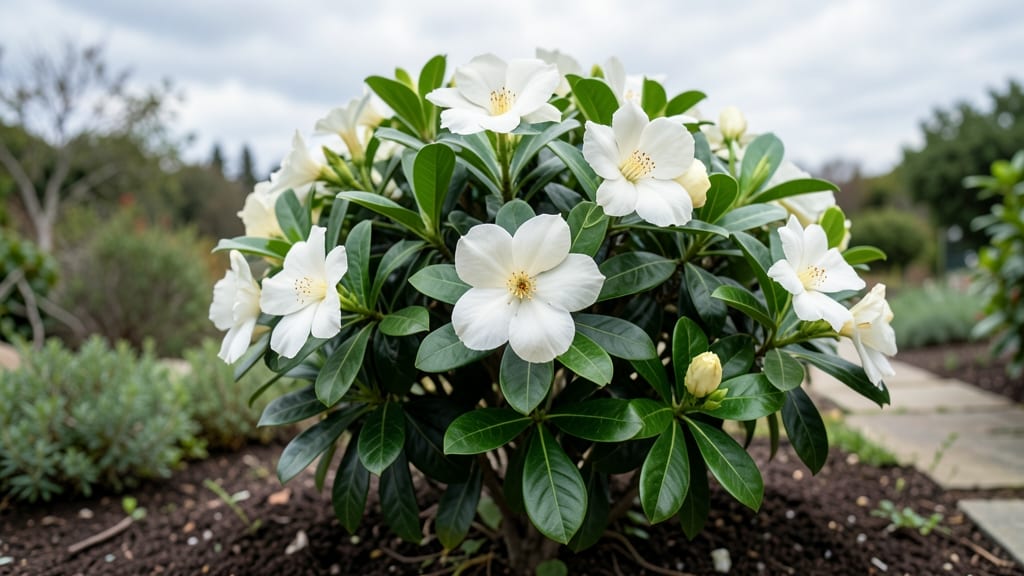
Gardenias grow to sizes ranging from compact shrubs under 3 feet to towering 6-foot giants, depending on the variety and care you provide.
If you’re dreaming of fragrant gardenias but worried about space, understanding their mature size is key—some varieties stay small enough for containers, while others need room to sprawl near a patio or fence.
The most common type, Gardenia jasminoides, typically reaches 3 to 6 feet tall with a similar spread, but dwarf varieties like ‘Kleim’s Hardy’ stay under 2 feet—perfect for small gardens or balcony pots.
In this guide, I’ll break down the size differences by variety, share pruning tips to control growth, and help you pick the right gardenia for your space—so you can enjoy those sweet, intoxicating blooms without overcrowding your yard.
Gardenia size by variety: compact vs. large-growing types
Choosing the right gardenia variety depends on your space and vision. Some stay under 3 feet, perfect for containers, while others reach 10+ feet—ideal for privacy screens. The key is matching the mature size to your garden layout.
Below, I’ll break down popular varieties from dwarf to giant, including their growth habits and spacing needs for optimal blooms.
Most gardenias belong to the Gardenia jasminoides species, but hybrids like Gardenia augusta can vary wildly in size. For example, the Radicans type spreads aggressively, while Fortuniana stays compact.
Understanding these differences helps you avoid overcrowding or underutilized space. Always check the mature width too—some varieties spread wider than they grow tall!
Here’s a quick reference for 10+ gardenia varieties, ranked from smallest to largest, with their ideal spacing for full bloom potential:
If you’re working with limited space, Radicans or
Pruning gardenias for size control: when, how, and why it matters
Gardenias reward you with glorious blooms and intoxicating fragrance, but their size can quickly become unruly if left unchecked. Pruning isn’t just about aesthetics—it’s essential for air circulation, flower production, and preventing disease.
With the right techniques, you can keep your gardenia compact and bushy while encouraging more blooms. Let’s dive into the when, how, and why of pruning these beauties.
First, understand that gardenias grow at a moderate pace, typically reaching 3-6 feet tall and 3-5 feet wide at maturity. However, without pruning, some varieties can sprawl well beyond these dimensions.
For example, the Gardenia jasminoides often tops out at 6 feet, while dwarf varieties like 'Kleim’s Hardy' stay under 3 feet. Pruning helps maintain their natural shape and prevents them from becoming leggy or overcrowded.
⚠️ Warning: Over-Pruning Can Stunt Growth!
Gardenias bloom on old wood, meaning their flowers develop on last year’s growth. Cutting back too aggressively in late summer or fall can reduce next year’s blooms. Never prune more than 1/3 of the plant at once, and avoid heavy cuts after mid-summer. Always use sharp, sterilized tools to prevent disease.
Timing is everything when pruning gardenias. The best time to prune is late winter or early spring, just as new growth begins. This encourages vigorous spring blooming and gives the plant time to recover before summer heat.
Avoid pruning in fall or winter, as this can leave the plant vulnerable to cold damage and reduce flowering. Light pruning to remove dead or diseased branches can be done year-round, but major shaping should wait for spring.
Gather your tools before you start: bypass pruners for clean cuts, sterilized shears for small branches, and gloves to protect your hands from thorns. Begin by removing dead, crossing, or weak branches first. Then, shape the plant by cutting back overgrown stems to just above a leaf node or bud.
Aim for an open, rounded shape to maximize airflow and sunlight penetration. Never leave stubs—always cut at a 45-degree angle just above a bud.
Aggressive pruning can backfire if done incorrectly. For instance, cutting back more than 1/3 of the plant in one session can shock the gardenia, leading to fewer blooms the following season. Instead, prune gradually over a few years to maintain size without sacrificing flowers.
If you’re dealing with a very overgrown gardenia, spread the pruning over two spring seasons to avoid stress. Always step back and assess the plant’s shape after each cut—this helps you avoid over-pruning.
Common pruning mistakes include cutting too close to the trunk, which removes the plant’s ability to produce flowers, and pruning after flowering season, which can reduce next year’s blooms.
Another mistake is using dull or dirty tools, which can tear branches and introduce diseases like powdery mildew. After pruning, sterilize your tools with rubbing alcohol, and consider applying a balanced fertilizer to support new growth.
With the right approach, your gardenia will thrive with lush foliage and abundant blooms all season long.