
How To
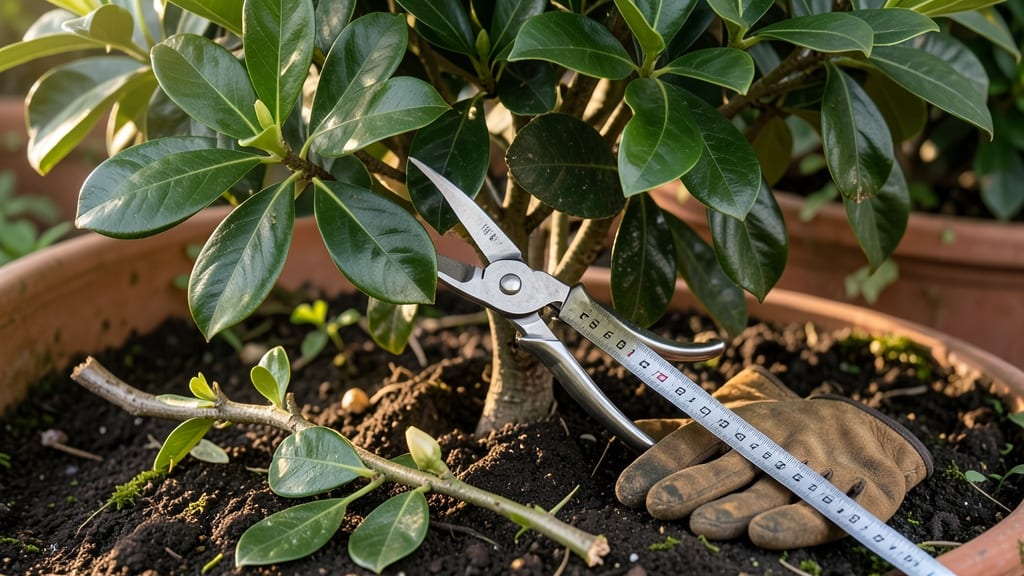
Cutting back gardenias too far can shock these fragrant shrubs 🌸 and stunt their blooms, but knowing how far you can safely prune is the secret to keeping them lush and flowering year-round.
Struggling to keep your gardenias blooming beautifully while avoiding the dreaded shock that can kill your plant? The key lies in understanding how far you can safely prune these delicate yet stunning shrubs—without sacrificing their health or future flowers.
Most gardeners hesitate to prune because they fear damaging the plant, but with the right technique, you can encourage more blooms and healthier growth. The trick is cutting back no more than one-third of the plant at a time, focusing on dead or overgrown branches while preserving the shape.
In this guide, I’ll walk you through the exact steps to prune your gardenias—when to do it, which tools to use, and how to avoid common mistakes that leave your plant stressed. You’ll learn how to revive even over-pruned gardenias and keep them thriving for years.
Safe pruning limits for gardenias: how far you can cut without harming the plant
Pruning gardenias can feel like walking a tightrope—cut too much, and you risk plant shock or stunted blooms; cut too little, and your shrub becomes overgrown and leggy. The golden rule for gardenias is never remove more than one-third of the plant's foliage in a single pruning session.
This guideline ensures your gardenia retains enough energy to recover and continue producing those fragrant white blooms you love.
Gardenias are sensitive plants, and their growth zones play a critical role in their ability to bounce back. Each year, these shrubs grow from dormant buds located along their stems.
If you prune too aggressively, you risk cutting off these essential growth points, leaving your plant vulnerable to disease and reducing its ability to flower. Think of it like trimming your hair—you wouldn’t shave your head in one go, would you?
Understanding the 1/3 rule is your first step to safe pruning. This means if your gardenia is 4 feet tall, you should never cut back more than 1 foot and 4 inches in a single session.
For mature gardenias, this translates to removing only the oldest, leggiest stems while preserving the healthier, younger growth that will support future blooms.
Timing is just as important as the amount you cut. The best time to prune gardenias is late winter or early spring, just as new growth begins to emerge. This timing aligns with the plant’s natural cycle and gives it the entire growing season to recover.
Avoid pruning in fall or winter, as this can leave your gardenia vulnerable to cold stress and reduce its ability to harden off for dormancy.
Now, let’s break down exactly how far you can safely cut back gardenias based on their growth stage and health. The following table compares pruning limits for young gardenias, mature gardenias, and overgrown gardenias that need rejuvenation.
| Pruning Scenario | Max Height Reduction | Best Time to Prune | Growth Zones to Preserve |
|---|---|---|---|
| Young Gardenias (1-2 years old) | Up to 1/3 of new growth (e.g., 6 inches for a 2-foot plant) | Early spring after last frost | Lower dormant buds on stems |
| Mature Gardenias (3+ years old) | Up to 1/3 of total height (e.g., 1.5 feet for a 4.5-foot plant) | Late winter or early spring | Healthy outer stems with buds |
| Overgrown Gardenias (Needs Rejuvenation) | Up to 1/2 of height in stages (e.g., 2 feet over 2 years) | Early spring for 2 consecutive years | Inner buds on remaining stems |
When pruning, always look for healthy growth zones—these are the areas where new leaves and blooms will emerge. Focus on cutting just above a leaf node or bud, which is the small bump where a leaf or branch grows out.
This ensures your gardenia has a strong foundation to regrow. Avoid cutting into old wood, as this rarely produces new growth and can leave your plant looking bare.
Another critical tip is to sterilize your pruners with rubbing alcohol before and after each cut. Gardenias are prone to fungal infections, and dirty tools can introduce harmful pathogens.
Always make clean cuts at a 45-degree angle, about 1/4 inch above a bud. This angle helps water runoff, reducing the risk of rot and disease.
If you’re dealing with an overgrown gardenia that needs rejuvenation, spread the pruning over two growing seasons. For example, in the first year, reduce the height by 1/3, and in the second year, trim another 1/3.
This gradual approach gives your plant time to recover and maintain its blooming potential. Patience is key—rushing the process can lead to plant stress and fewer flowers.
After pruning, give your gardenia a light fertilizer to encourage new growth. Use a balanced 10-10-10 fertilizer and apply it in early spring, following the package instructions. Pair this with consistent watering—keep the soil moist but not soggy—to help your gardenia recover and thrive.
Within a few weeks, you should see fresh green leaves and, eventually, new blooms.
Remember, the goal of pruning gardenias isn’t just to shape the plant—it’s to encourage healthier growth and more abundant blooms.
By following the 1/3 rule and timing your cuts correctly, you’ll keep your gardenias looking their best while ensuring they continue to reward you with their intoxicating fragrance for years to come. 🌸
Step-by-step guide to pruning gardenias for maximum blooms without shock
Pruning your gardenias at the right time and with the right technique can transform your plant from a sparse bloomer into a fragrant, lush beauty. The key is patience—never cut more than one-third of the plant in a single session.
This rule ensures your gardenia retains enough leaves to photosynthesize and fuel new growth. I’ve learned the hard way that aggressive pruning can shock these tropical shrubs, leading to leaf drop or even bloom failure.
Timing is everything with gardenias. Early spring, just as new growth begins, is the best time to prune for shaping and encouraging blooms. Summer pruning is limited to removing spent flowers (deadheading) to redirect energy.
Avoid pruning in fall or winter, as your plant needs all its resources to harden off for dormancy. I always mark my calendar to prune after the last frost in USDA Zone 6a—typically by early May.
How Far Can You Cut Back Gardenias?
-
Step 1: Identify Dead or Weak Wood
Use sterilized pruners to remove any brown, mushy, or crisscrossing branches. These won’t regrow and can harbor disease. Cut back to the nearest healthy bud or leaf node. -
Step 2: Shape for Airflow
Thin out overcrowded branches to improve air circulation. Aim to cut back no more than 1/3 of the plant’s height per year. For example, if your gardenia is 4 feet tall, limit cuts to 1 foot or less. -
Step 3: Encourage New Growth
Make cuts just above a leaf node or outward-facing bud. This directs energy to new shoots that will produce more blooms. Avoid cutting into old wood—it won’t regenerate. -
Step 4: Deadhead Spent Blooms
In summer, pinch off wilted flowers at the base. This prevents seed formation and encourages continuous blooming. Use your fingers or small pruners for precision. -
Step 5: Clean and Sterilize Tools
After each cut, wipe pruners with rubbing alcohol to prevent bacterial spread. I keep a small bottle in my gardening toolkit for quick disinfection between plants.
After pruning, your gardenia will need extra care to recover. I always water deeply the day after pruning to reduce stress and apply a balanced fertilizer (like 10-10-10) to support new growth.
Within 4-6 weeks, you should see fresh shoots emerging from the pruned areas. If you notice yellowing leaves or stunted growth, you may have pruned too aggressively—cut back further next time.
Shaping your gardenia isn’t just about aesthetics—it’s about light penetration and airflow. I like to create an open, rounded shape to ensure sunlight reaches the inner branches.
This prevents fungal issues like powdery mildew, which thrives in dense, shaded foliage. If your gardenia leans toward one side, prune the longer branches to encourage upright growth.
Remember, gardenias are slow growers, so resist the urge to prune heavily. Over time, your patience will pay off with larger, more abundant blooms and a healthier plant. I’ve seen gardenias I’ve pruned carefully for years produce dozens of fragrant flowers in a single season—proof that gentle pruning works!