
Light Requirements
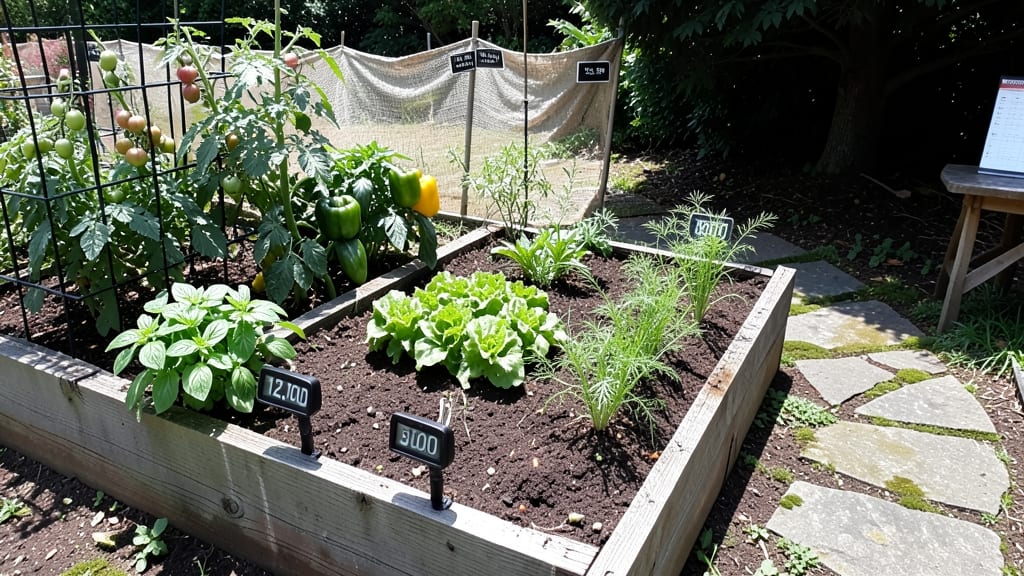
A vegetable garden needs 6 to 8 hours of sunlight daily 🌱 to thrive, but not all plants demand the same intensity—some will bolt in too much heat, while others languish in shade.
Picture this: you’ve spent weeks preparing your soil, only to watch your tomatoes turn bitter or your lettuce bolt into seed stalks. The culprit? Sunlight—or the lack of it.
Too little, and your plants stretch weakly; too much, and they scorch. Getting it right is the difference between a bumper crop and a sad salad.
Most vegetables fall into three categories: full-sun lovers (think tomatoes, peppers, and cucumbers), partial-shade tolerators (like leafy greens and herbs), and low-light survivors (such as radishes or spinach). Knowing which is which saves you from guessing—and from wasted space in your garden.
In this guide, I’ll break down the exact light needs for each type of vegetable, how to measure sunlight in your yard, and clever tricks to stretch those sunny hours when your space is limited. Let’s turn your garden into the productive powerhouse it’s meant to be.

Sunlight requirements for vegetable gardens: full sun vs partial shade explained
Sunlight is the lifeblood of your vegetable garden—without enough, your plants won’t thrive. But how much is "enough"? Full sun typically means 6-8+ hours of direct sunlight daily, while partial shade ranges from 3-6 hours.
Understanding these distinctions ensures your tomatoes burst with flavor and your leafy greens stay crisp. Let’s break down what each category means for your garden’s success.
Most vegetables fall into one of three sunlight categories: full sun-lovers, partial shade-tolerant, or low-light adaptable. Misplacing a plant can lead to stunted growth, poor yields, or even plant death.
For example, tomatoes and peppers wilt in shade, while lettuce and spinach bolt in scorching heat. Knowing these needs helps you design a thriving, efficient garden layout.
Here’s how sunlight intensity affects your plants:
| Sunlight Category | Daily Sunlight Needs | Best Plants | Growth Implications |
|---|---|---|---|
| Full Sun | 6-8+ hours | Tomatoes, Peppers, Cucumbers, Corn, Eggplants | Maximizes fruit/flower production; poor yields in shade |
| Partial Shade | 3-6 hours | Leafy Greens, Beets, Carrots, Radishes, Bush Beans | Prevents bolting; ideal for hot climates |
| Low Light | <3 hours | Spinach, Kale, Swiss Chard, Green Onions, Lettuce | Slower growth; risk of legginess |
Full sun plants like tomatoes and peppers need intense light to develop sweet flavors and robust structures. Without enough sun, they’ll produce fewer fruits and may become prone to diseases like blossom end rot.
On the other hand, leafy greens thrive in partial shade, where they avoid bolting (premature flowering) and retain their tender texture.
Partial shade is a game-changer for gardeners in hot climates. Plants like bush beans and carrots perform better with morning sun and afternoon shade, reducing stress. Even herbs like basil benefit from partial shade in peak summer to prevent wilting.
Think of partial shade as a balance—enough light for growth but protection from extreme heat.
Low-light conditions are tricky but not impossible. Vegetables like spinach and kale tolerate minimal sunlight, but their growth will be slower. To compensate, use reflective surfaces (like white walls or mulch) to bounce extra light onto plants. Containers near south-facing windows can also extend growing seasons in shady spots.
Sunlight also affects flavor and nutrition. For example, tomatoes grown in full sun develop deeper colors and richer sweetness due to higher sugar production. Conversely, peppers in partial shade may produce fewer but larger fruits. Pay attention to these nuances to optimize your harvest’s quality and quantity.
If your garden has limited sunlight, prioritize low-light vegetables in shady areas and use vertical gardening (like trellises) to maximize exposure. For full sun plants, consider container gardening near sunny walls or use grow lights as a supplement. Every garden is unique—adjust based on your space and microclimates.
Pro tip: Observe your garden’s sunlight patterns for a week. Note which areas get morning sun, afternoon shade, or full-day exposure. This helps you map out the perfect spots for each plant type. With the right placement, even a small garden can yield abundant, healthy vegetables all season long.
Remember, sunlight isn’t just about hours—it’s about intensity and consistency. A plant getting 6 hours of weak morning light won’t thrive like one basking in 6 hours of midday sun. Tailor your garden’s layout to match your plants’ needs, and you’ll see the difference in growth, flavor, and productivity.
How to measure and optimize sunlight in your garden for maximum growth
Assessing sunlight in your garden is the first step to creating a thriving vegetable patch. Many gardeners assume all plants need the same amount of light, but sunlight requirements vary dramatically—from 6+ hours for tomatoes to just 2-4 hours for leafy greens.
Start by observing your space during peak sunlight hours (10 AM to 2 PM) to identify sunny, partially shaded, and low-light areas. Use a simple sunlight journal to track how light shifts throughout the day and seasons.
Once you’ve mapped your garden’s light zones, you can strategically place plants where they’ll thrive. Full-sun lovers like peppers and cucumbers should go in the brightest spots, while shade-tolerant crops like lettuce can thrive in dappled light.
If your garden lacks ideal sunlight, don’t worry—reflective surfaces and vertical gardening can help redirect light to where it’s needed most.
🌱 How Much Sunlight Does Your Vegetable Garden Need?
- Full Sun (6+ hours/day): Tomatoes, Peppers, Cucumbers, Squash, Corn, Beans
- Partial Shade (3-6 hours/day): Lettuce, Spinach, Kale, Swiss Chard, Radishes, Green Onions
- Low Light (2-4 hours/day): Arugula, Bok Choy, Mustard Greens, Microgreens, Some Herbs (e.g., Parsley)
- Adjustable with Tools: Use row covers for extra light or shade cloth (30-50%) to protect heat-sensitive plants
If your garden has uneven sunlight exposure, consider using trellises or vertical planters to grow vining plants like cucumbers or pole beans upward, where they can access more light.
For containers, rotate them weekly to ensure even exposure, especially if your garden space is limited. Reflective mulch or light-colored surfaces can also bounce extra sunlight onto plants.
For precise measurements, use a sunlight calculator app or DIY method: Place a white board in your garden for a few hours and measure the shadow it casts at different times. This helps you determine how much direct sunlight each area receives.
If your garden is too shady, try pruning nearby trees or relocating plants to sunnier spots during cooler months when shadows are longer.
Don’t forget that seasonal changes affect sunlight exposure. What’s full sun in summer may become partial shade in winter. Plan ahead by rotating crops or using seasonal shade solutions like temporary shade cloths. With the right adjustments, even the shadiest garden can produce a bountiful harvest!
Optimizing sunlight isn’t just about placement—it’s about understanding your plants’ needs and adapting your garden layout to match. Start small, observe, and adjust as you go. Your vegetables will thank you with healthier growth and bigger yields! 🌿