
Watering
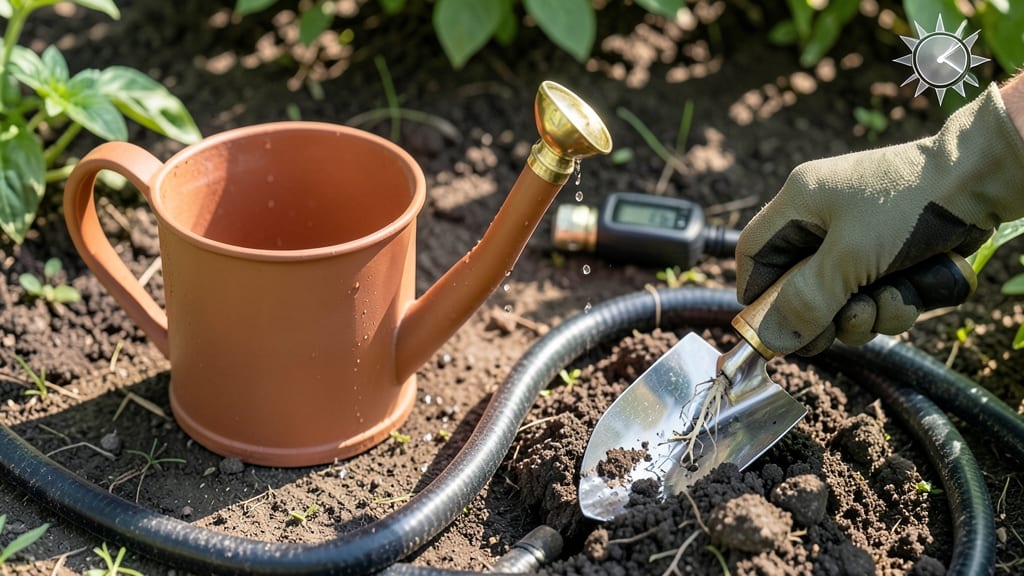
Watering your garden the right way means knowing how often your plants actually need it—because overdoing it or skipping it can both kill your 🌱 plants faster than you think.
Most gardeners guess and end up drowning their roots or watching their soil dry into dust. The truth? Your watering schedule isn’t one-size-fits-all—it depends on what’s growing, your soil type, and even the weather. But with a few simple checks, you’ll never second-guess your hose again.
From thirsty tomatoes to drought-loving lavender, I’ll break down exactly how often to water each plant, plus how to tell when your soil is too wet or too dry. No more guesswork—just a science-backed routine that keeps your garden thriving all season long.
Ready to master the art of watering? Let’s dive into the plant-specific schedule that’ll save you time, water, and wilting disappointment.
Plant-specific watering schedules: how often to water common garden plants
Watering your garden isn't a one-size-fits-all task—each plant has unique needs. Vegetables like tomatoes and peppers crave consistent moisture, while succulents and lavender thrive on neglect. Understanding these differences prevents both underwatering and overwatering, two common mistakes that stunt growth or invite pests.
The key is matching your watering schedule to each plant's natural habitat and growth stage.
For example, leafy greens such as lettuce and spinach need 1 inch of water per week, while root vegetables like carrots prefer deep, infrequent watering to encourage strong taproots. Herbs like basil and cilantro demand regular moisture, but rosemary and thyme can survive with minimal water.
Below, we break down the ideal watering frequency for your most common garden plants.
Pro Tip: Always water deeply—aim for 6-12 inches down—to encourage deep root growth. Shallow watering leads to weak roots and thirsty plants. Use a moisture meter or the finger test (stick your finger 1-2 inches into soil; if dry, water) to gauge needs accurately.
| Plant Type | Watering Frequency | Notes | Best Time to Water |
|---|---|---|---|
| Vegetables (Tomatoes, Peppers, Lettuce) | 1-2 inches per week (3-4x/week in summer) | Deep watering; avoid wetting leaves | Early morning (6-9 AM) |
| Herbs (Basil, Cilantro, Parsley) | 1 inch per week (daily in pots) | Keep soil consistently moist | Morning or evening |
| Flowers (Roses, Petunias, Marigolds) | 1-1.5 inches per week (2-3x/week) | Mulch to retain moisture | Early morning |
| Drought-Tolerant (Succulents, Lavender, Sage) | Once every 2-3 weeks (soak deeply) | Well-draining soil required | Late morning (avoid evening) |
| Shrubs (Boxwood, Hydrangeas, Azaleas) | 1 inch per week (deep watering) | Established shrubs need less frequent water | Morning or late afternoon |
| Trees (Fruit Trees, Ornamental) | Deep watering every 7-14 days | Focus on root zone; mulch heavily | Early morning or evening |
If you're growing container plants, they dry out faster than in-ground varieties. Potted herbs and vegetables may need daily watering in hot weather, while succulents in pots can go 3-4 weeks between waterings. Always check soil moisture before watering—containers lack the moisture-retaining properties of garden soil.
Seasonal adjustments are critical. In summer, most plants need 20-30% more water due to heat and evaporation, while winter watering should be reduced by 50% or more, depending on your climate. Rainfall also plays a role—adjust your schedule if you've had recent showers.
A simple rule: 1 inch of rain = 1 inch less watering from your hose.
Watch for visual cues like wilting leaves or crispy edges, which signal underwatering. Conversely, yellowing leaves or mushy stems often mean overwatering. Adjust your schedule based on these signs and your local climate. For instance, desert plants
How to adjust your watering schedule for soil type, climate, and season
Your garden's watering needs aren't one-size-fits-all. The same tomatoes planted in sandy soil versus clay soil will demand completely different watering routines. Even your local climate and seasonal shifts rewrite the rules—what works in humid summers fails in dry winters.
Let's break down how to fine-tune your schedule like a pro.
Start by understanding your soil type. Sandy soil drains like a sieve, while clay holds moisture like a sponge. A simple soil moisture test—stick your finger 1-2 inches deep—reveals when to water.
In sandy gardens, you might water daily in summer, but clay-heavy plots could need water only every 5-7 days. Climate plays tricks too: hot, dry regions demand deep, infrequent watering, while humid areas need light, frequent misting to avoid fungal diseases.
- 🌱 Test soil moisture daily in sandy soil—water when top inch feels dry.
- 💧 Clay soil? Wait until 2-3 inches deep are dry before watering deeply.
- ☀️ Hot climates need morning watering to reduce evaporation and fungal risks.
- 🌧️ Humid areas should water lightly and frequently to prevent leaf diseases.
- ❄️ Winter watering? Cut back to every 10-14 days unless planting evergreens.
Seasonal adjustments are non-negotiable. In spring, young plants need consistent moisture to establish roots, while summer demands deep watering to combat heat stress. Fall slows growth, so reduce watering, and winter often requires minimal watering unless you're nurturing frost-sensitive plants.
Watch for wilting leaves (underwatering) or yellowing foliage (overwatering)—both are red flags.
Containers complicate things further. Potted plants dry out faster than in-ground gardens, so check soil moisture daily in summer heat. Mulch helps retain moisture, but avoid piling it against stems to prevent rot.
For container gardens, aim for 1-2 inches of water per week, adjusting for pot size and drainage holes. Pro tip: Group containers together to create a microclimate that retains humidity.
Don’t ignore the weather forecast. A week of rain means skipping your schedule entirely, while a heatwave calls for emergency watering. Use a rain gauge to track precipitation—most gardens need 1-1.5 inches of water weekly, including rainfall.
Adjust your schedule based on what nature provides, not just your hose timer.
Signs of overwatering include mushy stems, yellow leaves, and root rot, while underwatering shows as crispy leaf edges and stunted growth. When in doubt, lift a plant gently—if the soil clumps together, it’s too wet.
If it falls apart like sand, it’s time to water. Trust your observations over rigid schedules, and your garden will thrive year-round.