
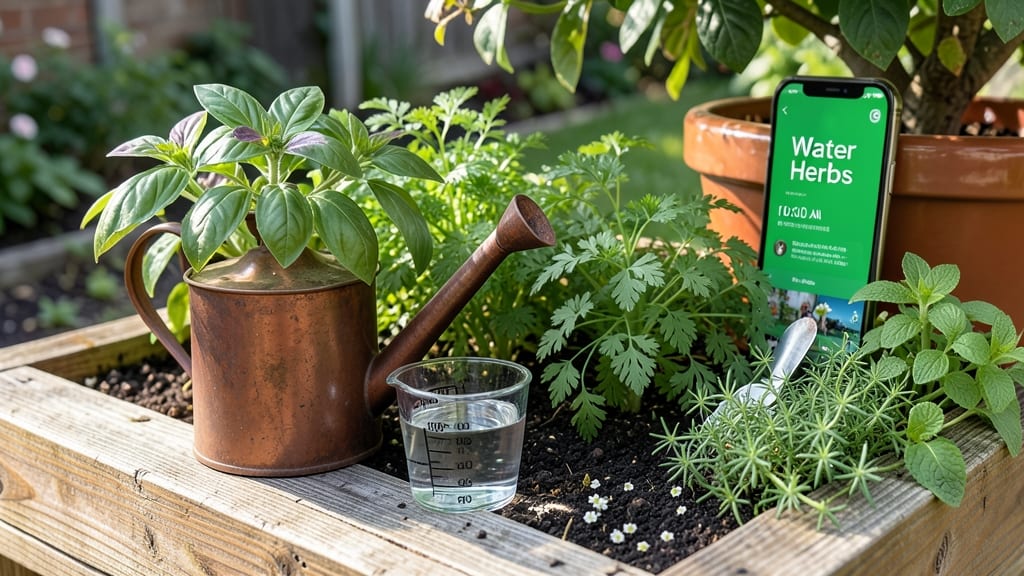
How Often to Water Herb Garden: Soil Test Tricks for Zero-Wilting Success

How To

How Often to Water Herb Garden: Soil Test Tricks for Zero-Wilting Success

Watering your herb garden the right way keeps those 🌿 fresh leaves vibrant and your kitchen stocked with flavor — but most of us are guessing how often to water, and that’s how you end up with crispy rosemary or mushy basil.

Here’s the truth: herbs hate soggy roots just as much as they despise thirsty soil, and the "every few days" rule doesn’t work for rosemary vs. cilantro. I’ll break down the exact schedule by plant type, soil, and season so you never over- or under-water again.

Think about it: one extra cup of water can drown your thyme in a pot, while skipping a day in summer wilts your parsley faster than you can say "pesto." The key is learning your herbs’ signals — and I’ll show you how to read them like a pro.

By the end, you’ll have a foolproof routine that saves time, money, and your poor, wilting herbs. Ready to master the art of watering? Let’s dive in.

💧 Frequency
Every 3-5 days (varies by herb and climate) Every 3-5 days (adjust for heat/wind)
🌿 Water Need
Medium Herbs prefer consistent moisture but dislike soggy soil; most are drought-tolerant once established.
🌅 Best Time
Morning Before 10 AM to reduce evaporation and fungal risk to reduce evaporation and fungal risk
🥛 Amount
1-2 Cups per plant (potted) or Deep soak (in-ground) ~250-500ml (potted), 1-2L (in-ground)

The perfect watering schedule for herb gardens by plant type

Watering your herb garden isn’t a one-size-fits-all task—each herb has unique needs that can make or break its growth. Overwatering leads to root rot, while underwatering causes wilting and stunted flavor. The key is understanding how often to water based on herb type, soil conditions, and climate.

Let’s break down the ideal watering schedule for 12+ common herbs to keep them thriving all season long.

Most herbs prefer consistent moisture but hate soggy soil. A general rule is to water when the top 1-2 inches of soil feel dry. However, container herbs dry out faster than in-ground plants, and drought-tolerant herbs like rosemary need less frequent watering.

Below, I’ve organized the best watering schedule by herb type, including adjustments for hot climates, containers, and seasonal changes.

5 Soil test tricks to determine when your herbs Really Need Water

Watering your herb garden isn’t about sticking to a rigid schedule—it’s about reading your soil like a book. Too much water drowns roots, while too little stresses plants, and both can turn your basil or thyme into a sad, wilted mess.

The key? Learning to test soil moisture accurately. I’ve tested these tricks in my own garden, and they’ve saved my herbs from both root rot and dehydration.

Most gardeners guess based on time, but herbs like cilantro and parsley need consistent moisture, while rosemary and sage prefer drier conditions. Instead of relying on a calendar, use these soil test tricks to water only when your herbs truly need it.

Trust me, your plants will thank you with vibrant growth and bold flavors.

  1. 1
  2. The finger test: Stick your index finger 1-2 inches into the soil. If it feels dry, water deeply. For potted herbs, check the top inch—if dry, it’s time.
  3. 2
  4. The weight check: Lift your pot—if it feels light, the soil is dry. A heavy pot means moisture remains, and you can wait 1-2 more days.
  5. 3
  6. Visual soil cues: Dark, dry soil at the surface or cracked earth signals thirst. For in-ground herbs, pull back mulch to check moisture levels.
  7. 4
  8. The stick test: Insert a wooden chopstick vertically. If it pops out clean, water. If soil clings, wait. Works best for well-draining soil.
  9. 5
  10. Herb-specific wilting signs: Basil droops dramatically; thyme turns grayish. Adjust watering based on the plant’s stress signals.

Overwatering is the silent killer of herb gardens, and these tricks help you avoid it. For example, my rosemary nearly died last summer because I watered it like my basil.

Once I switched to the weight check and finger test, it thrived with minimal water. Pro tip: Water in the morning to reduce evaporation and fungal risks.

If you’ve already overwatered, don’t panic. Gently loosen the soil around roots to improve aeration, and hold off on watering for 3-4 days. For potted herbs, empty excess water from saucers to prevent root rot.

Yellowing leaves or mushy stems? That’s your cue to act fast. Herbs are resilient, but they need your help to bounce back.

Adjust your routine based on your local climate and container type. In-ground herbs hold moisture longer than pots, so check soil more frequently for container-grown herbs. Mulch around your plants to retain moisture and regulate temperature—this can cut watering needs by up to 30%.

With these tricks, you’ll master the art of perfect herb hydration in no time.

Remember, the goal isn’t to water on a schedule but to water based on your herbs’ actual needs. Next time you’re unsure, grab your finger and dig in—your thyme and parsley will reward you with lush, flavorful growth. Happy gardening! 🌿

★★★★★4.7(5 reviews)
Categories How To
Herb Watering Frequency (Summer) Watering Frequency (Spring/Fall) Watering Frequency (Winter) Notes
Basil Every 1-2 days Every 3-4 days Every 10-14 days Hates dry soil; keep evenly moist
Cilantro Every 2-3 days Every 4-5 days Every 10-14 days Dries out quickly; prefers cool weather
Rosemary Every 5-7 days Every 7-10 days Every 3-4 weeks Drought-tolerant; overwatering kills it
Thyme Every 5-7 days Every 7-10 days Every 3-4 weeks Low water needs; prefers dry conditions
Parsley Every 2-3 days Every 4-5 days Every 10-14 days Keep soil moist but not waterlogged
Oregano Every 5-7 days Every 7-10 days Every 3-4 weeks Drought-resistant; avoid overwatering
Mint Every 2-3 days Every 4-5 days Every 10-14 days Aggressive spreader; water deeply
Chives Every 3-4 days Every 5-7 days Every 10-14 days Moderate water needs; tolerates some drought
Sage Every 5-7 days Every 7-10 days Every 3-4 weeks Drought-tolerant; prefers dry soil
Dill Every 2-3 days Every 4-5 days Every 10-14 days Keep soil consistently moist
Lavender Every 7-10 days