
Size
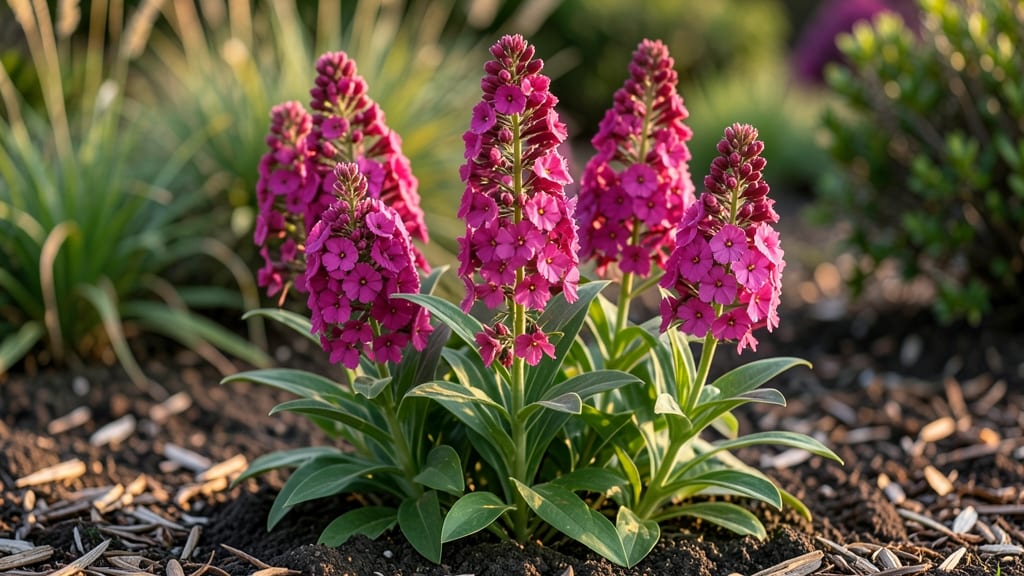
Garden phlox 🌸 grows anywhere from 1 foot to over 4 feet tall, depending on the variety you choose—and that range can change how you design your garden.
If you’re dreaming of vibrant summer blooms but wondering whether garden phlox will tower over your garden or stay neatly contained, their height varies dramatically by variety—some reach waist-high while others barely brush your knees.
Tall varieties like Phlox paniculata can soar up to 5 feet, making them perfect for borders or the back of flower beds, while dwarf types stay compact at just 12 inches, ideal for containers or edging.
Below, I’ll break down the height zones by variety, how sunlight and soil affect growth, and the simple pruning tricks to keep your phlox looking its best all season.


Garden phlox height by variety: dwarf to giant types explained
Garden phlox (Phlox spp.) is one of the most versatile perennials for summer color, but their height can vary from 6 inches to over 4 feet, depending on the variety.
Choosing the right type ensures your garden stays balanced—whether you need dwarf phlox for borders or tall phlox as a dramatic backdrop. Understanding these height ranges helps you plan spacing, sunlight exposure, and even pruning strategies for fuller blooms.
Most gardeners overlook how soil fertility and sunlight influence phlox height. For example, Phlox paniculata—the classic summer phlox—can grow 3 to 5 feet tall in rich, well-drained soil with full sun, while the same variety might stay shorter in poorer conditions.
Meanwhile, creeping phlox (Phlox subulata) rarely exceeds 12 inches, making it perfect for rock gardens or ground cover.
Here’s how to match phlox varieties to your garden’s needs, from tiny mounds to towering spikes, along with their ideal USDA hardiness zones and bloom times:
| Variety | Height Range | USDA Zones | Best For | Bloom Time |
|---|---|---|---|---|
| Phlox subulata (Creeping Phlox) | 6"–12" | 3–9 | Rock gardens, slopes, borders | Spring (April–May) |
| Phlox stolonifera (Moss Phlox) | 12"–18" | 4–8 | Ground cover, woodland edges | Late spring (May–June) |
| Phlox paniculata (Garden Phlox) | 24"–36" | 4–8 | Backdrop, cut flowers, borders | Summer (June–August) |
| Phlox maculata (Wild Blue Phlox) | 18"–24" | 3–8 | Wildflower meadows, cottage gardens | Spring (April–May) |
| Phlox ‘David’ (Tall Hybrid) | 36"–48"+ | 4–9 | Statement plants, tall borders | Summer (July–August) |
The shortest phlox, like Phlox subulata, thrives in USDA zones 3–9 and spreads quickly, making it ideal for rock gardens or steep slopes where taller plants might topple. Its spring blooms appear earlier than most varieties, offering color when few other perennials are in season.
For containers or window boxes, stick to dwarf types under 12 inches to avoid spilling over edges.
On the opposite end, giant phlox like ‘David’ can reach 4 feet or more and needs staking in windy areas. These varieties shine in cottage gardens or as cut-flower stalks, providing weeks of blooms if deadheaded regularly.
Plant them 18–24 inches apart to allow airflow, which reduces powdery mildew—a common issue with dense phlox clusters.
If you’re unsure which height to choose, consider your garden’s focal points. For small spaces, mix dwarf phlox (6"–12") with mid-height varieties (18"–24") to create layers of color.
In larger gardens, tall phlox (36"+) can anchor perennial borders or mixed beds, especially when paired with grasses or shrubs that complement their late-summer blooms.
One critical factor often overlooked is pruning. Tall phlox varieties benefit from early-season pinching to encourage bushier growth, while dwarf types may need light trimming after blooming to maintain shape. Always use clean, sharp shears to avoid damaging stems, and sterilize tools between cuts to prevent disease spread.
For container gardening, opt for compact varieties like ‘Emerald Blue’ (12" tall) or ‘Sherwood Purple’ (18" tall). These stay manageable in 5–7 gallon pots and can be moved to extend their bloom season.
Just ensure pots have drainage holes—phlox hates soggy roots and will quickly decline in waterlogged soil.
Pro tip: Mulch around phlox in early spring with 2–3 inches of organic matter (like shredded bark) to retain moisture and suppress weeds. This is especially helpful for taller varieties, which can struggle
How to control phlox height naturally: pruning & spacing tips
Managing garden phlox height starts with understanding their natural growth patterns. Tall varieties like Phlox paniculata can reach 3-5 feet if left unchecked, while dwarf types like Phlox subulata stay compact at 6-12 inches.
The key to controlling their size lies in pruning techniques and proper spacing—both of which I’ve perfected over years of growing these showy perennials.
Many gardeners make the mistake of treating all phlox the same, but their growth habits vary widely. For example, border phlox (like ‘David’) needs 18-24 inches of space to thrive, while tall garden phlox should have 2-3 feet between plants.
Without this spacing, they’ll crowd each other, leading to leggy stems and fewer blooms—a common issue I see in overcrowded beds.
⚠️ Height Surprises Ahead!
Did you know Phlox paniculata can double in height from year 1 to year 3 if unpruned? Many gardeners underestimate their mature size, leading to crowded, floppy plants. Tall varieties (3-5 ft) need full sun and regular pruning to stay compact, while dwarf types (6-12 in) thrive in partial shade with minimal maintenance.
To keep your phlox bushy and blooming, I recommend deadheading spent flowers throughout the summer. This simple task encourages more lateral branches to form, preventing the plant from growing tall and leggy.
For tall garden phlox, I also cut back 1/3 of the stems in early spring to promote compact growth and prevent flopping.
Spacing is just as critical as pruning. Plant dwarf phlox (like Phlox subulata) 6-12 inches apart in rock gardens or front borders, while tall varieties need 2-3 feet of space to avoid competition.
I’ve learned the hard way that cramming phlox too close leads to powdery mildew and weak stems—a recipe for floppy, unattractive plants.
For seasonal maintenance, I prune tall phlox back to 6-12 inches in late fall or early spring. This rejuvenates the plant and prevents overgrowth the following year.
Avoid heavy pruning in summer, as this can reduce flowering. Instead, focus on removing dead blooms and thinning crowded stems to improve airflow.
One common mistake I see is over-fertilizing, which leads to excessive foliage but fewer flowers. Use a balanced fertilizer (like 10-10-10) in early spring and avoid late-season feeding, which can stimulate new growth that won’t harden off before frost.
Mulch around the base with 2-3 inches of organic matter to suppress weeds and retain moisture without smothering the plant.
With the right pruning schedule and spacing strategy, you can keep your phlox neat, healthy, and blooming for years. Start with variety-specific care, and don’t forget to monitor growth throughout the season—adjusting as needed to maintain your desired height and shape.
Your garden (and your neighbors!) will thank you for the controlled, vibrant blooms all summer long. 🌸