
How To
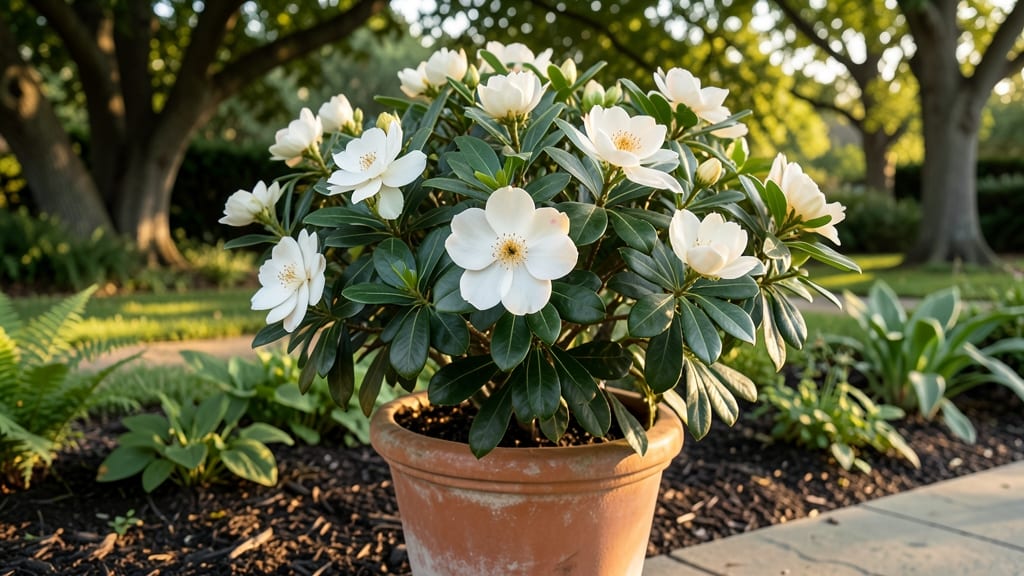
Gardenias grow between 2 and 6 feet tall, depending on the variety and growing conditions—so if you're picturing a tiny potted plant, think again.
If you’ve ever dreamed of fragrant gardenias filling your yard but worry about them sprawling uncontrollably, you’re not alone. These tropical beauties can reach heights that surprise even seasoned gardeners—but with the right techniques, you can shape them to fit your space perfectly.
Some varieties, like the popular G. jasminoides, stay compact at 2–3 feet, while others, such as G. augusta, can tower up to 6 feet if left unchecked. The good news? Pruning and container choices give you full control over their size without sacrificing those intoxicating blooms.
In this guide, I’ll break down how to manage gardenia growth naturally—whether you want a bushy accent plant or a taller landscape statement. You’ll learn the best pruning times, how to encourage bushier growth, and even whether your gardenia can thrive in a pot.


Natural Gardenia height ranges: what to expect by variety
When planning your garden, knowing how tall gardenias grow helps you choose the perfect spot for these fragrant shrubs. Gardenias vary widely in size, from compact dwarf varieties to towering standard shrubs, making them versatile for containers, borders, or hedges.
The species and cultivar you select will determine whether your gardenia stays under 3 feet or reaches 6 feet or more at maturity.
Most gardenias belong to the Gardenia jasminoides species, the most popular for home gardens. However, other species like Gardenia augusta and Gardenia radicans offer unique growth habits and fragrances. Climate also plays a role—warmer zones like USDA Zones 8-11 encourage faster, taller growth, while cooler climates may stunt height slightly.
Let’s break down what to expect from each variety.
🌱 Key Takeaway: Gardenias grow at different rates based on variety, care, and climate. Pruning and sunlight exposure can influence their final height by up to 20%.
| Variety | Mature Height | Growth Rate | Best For |
|---|---|---|---|
| Gardenia jasminoides (Standard) | 4–6 ft | 1–2 ft/year | Landscapes, hedges |
| Gardenia jasminoides 'Kleim's Hardy' (Semi-Dwarf) | 3–4 ft | 1 ft/year | Borders, containers |
| Gardenia jasminoides 'Radicans' (Trailing) | 2–3 ft (spreading) | 6–12 in/year | Trellises, hanging baskets |
| Gardenia augusta (Dwarf) | 2–3 ft | 6–10 in/year | Containers, patios |
| Gardenia jasminoides 'Veitchii' (Large) | 5–7 ft | 1.5–2 ft/year | Privacy screens, large gardens |
If you’re growing Gardenia jasminoides, the most common variety, expect it to reach 4–6 feet tall in ideal conditions. This species thrives in USDA Zones 7–11 and can grow up to 2 feet per year with proper care.
For example, the 'Radicans' cultivar is unique because it trails instead of growing upright, making it perfect for trellises or hanging baskets where height isn’t the primary concern.
For smaller spaces, dwarf gardenias like Gardenia augusta stay between 2–3 feet tall and are ideal for containers or patio gardens. These varieties grow more slowly, adding only 6–10 inches per year, which makes them easier to manage.
If you’re in a cooler climate (like Zone 6–7), even standard gardenias may stay shorter due to slower growth rates.
Climate significantly impacts height. In humid, tropical climates, gardenias can grow 20–30% taller than in drier or cooler regions. For instance, a 'Veitchii' gardenia might reach 7 feet in Florida but only 5 feet in California. Always check your local USDA zone and microclimate conditions when selecting a variety.
Another factor is pruning habits. Regular pruning can reduce height by up to 30% while encouraging bushier growth. For example, if you prune a 6-foot 'Veitchii' back by 1 foot annually, it will stay around 4–5 feet tall.
This technique is especially useful for gardenias in small yards or urban gardens where space is limited.
Gardenias also vary in spread vs. height. While most grow taller than they do wide, varieties like 'Radicans' spread 3–4 feet wide while staying low.
This makes them great for ground covers or cascading displays. Always consider both height and spread when planning your garden layout to avoid overcrowding.
For container gardening, choose dwarf or semi-dwarf varieties like 'Kleim's Hardy' or Gardenia augusta. These stay under 3 feet tall and thrive in 15–20 gallon pots. Container gardenias may grow slightly slower due to root restriction, but they’re easier to move and protect from frost if needed.
🌿 Pro Tip: If
Pruning gardenias for controlled growth: step-by-step guide
If your gardenias are reaching for the sky faster than you’d like, don’t worry—pruning is your secret weapon for keeping them lush but contained.
The key is timing and technique, as gardenias respond best to light to moderate pruning that encourages dense growth without sacrificing those iconic fragrant blooms. I’ve pruned gardenias for years, and I’ll share my go-to methods to manage their height while keeping them thriving.
Most gardenias mature between 3 to 6 feet tall, but with strategic pruning, you can keep them as short as 2 to 3 feet—perfect for containers or small gardens.
The best time to prune is late winter or early spring, just as new growth begins. This timing ensures you’re not cutting back blooms or disrupting the plant’s natural cycle.
⚠️ callout-warning
Start by gathering your tools: sharp bypass pruners for clean cuts, sterilized rubbing alcohol to wipe blades between cuts (prevents disease), and gardening gloves to protect your hands from thorns. Remove any dead, diseased, or crossing branches first—they’re the easiest targets and improve airflow to the center of the plant.
For height control, focus on the topmost branches. Cut just above a leaf node (the bump where leaves grow) at a 45-degree angle to encourage new growth.
Avoid cutting into old wood, as gardenias struggle to regrow from it. If your plant is leggy, prune back by 1/3 of its height to promote bushier growth.
After pruning, give your gardenia a balanced fertilizer (like 10-10-10) to support new growth. Water deeply but avoid overhead watering, which can cause fungal issues. Within weeks, you’ll see fresh, vibrant growth filling out the plant’s shape—without sacrificing future blooms.
Remember, gardenias reward patience. If you prune too aggressively, you might delay flowering, but with consistent light pruning, you’ll enjoy compact, fragrant shrubs year after year. Happy pruning! ✂️🌿🌸