
How To
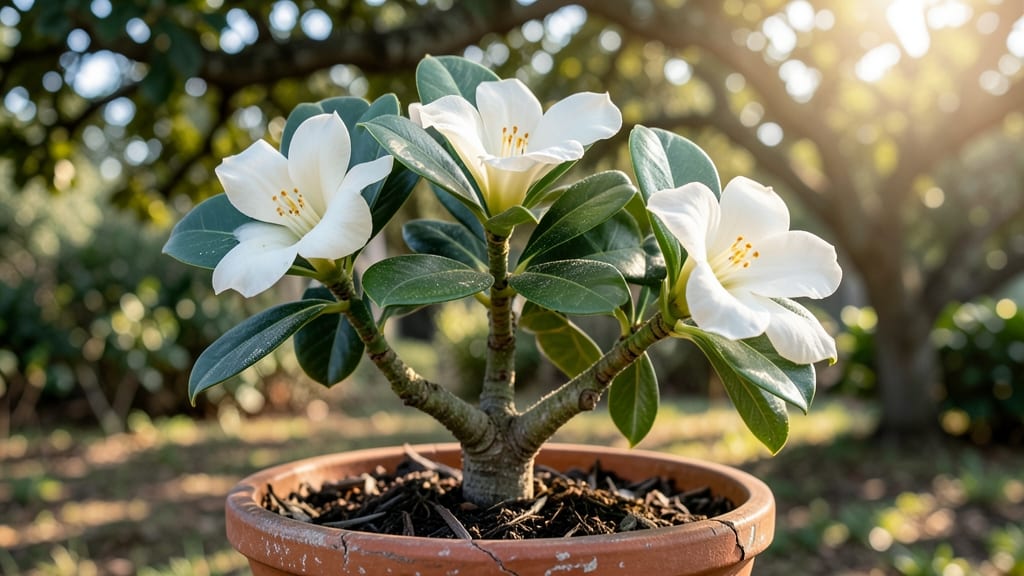
A gardenia tree grows between 6 and 15 feet tall at maturity, but its size is far from set in stone—with the right pruning, you can keep it compact enough to fit your patio or balcony. 🌸
If you’ve ever dreamed of fragrant gardenias in your backyard but worry about them towering over your patio, you’re in the right place—gardenia trees can grow surprisingly large unless you master their pruning secrets.
Most gardenia trees, like the classic Gardenia jasminoides, reach their full height in 3 to 5 years, but dwarf varieties stay under 6 feet.
The key to controlling their size lies in timing and technique—prune at the right moment, and you’ll encourage bushier growth instead of a lanky ladder.
In this guide, I’ll walk you through the natural height ranges, the best pruning methods to keep your gardenia manageable, and which compact varieties are perfect for small spaces. Ready to enjoy those intoxicating blooms without the tower?


Natural gardenia tree height: how tall they grow without pruning
If you’ve ever dreamed of fragrant gardenias in your backyard but worry about them towering over your patio, you’re in the right place. The natural height of a gardenia tree depends entirely on its variety and growing conditions.
Without pruning, most gardenias can reach heights between 6 to 15 feet, making them a statement plant in any landscape. However, some varieties stay compact, while others grow tall enough to rival small trees.
Understanding these height ranges helps you plan your garden layout. For example, a standard gardenia tree like Gardenia jasminoides typically grows 10 to 15 feet tall when left unpruned, while dwarf varieties like Radicans max out at 4 to 6 feet.
The difference in height is dramatic and directly impacts where you plant them in your yard.
| Variety | Mature Height (ft) | Growth Rate (ft/year) | Ideal Climate |
|---|---|---|---|
| Dwarf Gardenia (Radicans) | 4-6 | 1-2 | USDA Zones 8-11 |
| Standard Gardenia (Jasminoides) | 10-15 | 2-3 | USDA Zones 7-10 |
| Giant Gardenia (Augusta) | 15-20 | 3-4 | USDA Zones 10-12 |
| Kleim’s Hardy Gardenia | 6-10 | 1.5-2.5 | USDA Zones 6-9 |
Climate plays a huge role in how tall your gardenia grows. In warm, humid climates like Florida or Hawaii, gardenias thrive and grow faster, reaching their maximum height more quickly.
However, in cooler regions like USDA Zone 6, growth slows, and gardenias may stay shorter unless you provide extra care like mulching or winter protection.
Soil conditions also influence height. Gardenias need acidic, well-draining soil with a pH between 5.0 and 6.5. If your soil is alkaline or compacted, roots struggle to absorb nutrients, stunting growth.
Amending your soil with peat moss or sulfur can help create the ideal environment for a taller, healthier plant.
Sunlight exposure is another critical factor. While gardenias love morning sun and afternoon shade, too much direct sunlight can stress the plant, slowing its growth.
In partial shade, gardenias grow more slowly but produce more blooms, which can make them appear fuller and bushier even if they’re not as tall.
Watering habits also affect height. Gardenias need consistent moisture but hate soggy roots. Overwatering can lead to root rot, which weakens the plant and limits its growth potential. On the other hand, underwatering stresses the plant, causing it to grow slowly or even drop leaves.
Aim for deep watering once a week during dry spells to keep your gardenia thriving.
Fertilizer choices matter too. Gardenias respond well to acid-loving, balanced fertilizers like a 10-10-10 NPK mix. Applying fertilizer every 4-6 weeks during the growing season encourages stronger growth, but avoid over-fertilizing, which can lead to excessive leafy growth at the expense of flowers and height.
If you’re planning to grow a gardenia in a container, expect it to stay shorter than its in-ground counterparts. Root-bound plants grow more slowly because their roots are restricted.
However, you can still achieve a 4-6 foot tall gardenia in a large pot with proper care, making it perfect for patios or balconies.
For those who love the look of a tall gardenia but want to keep it manageable, consider planting near a trellis or fence. Training the plant to grow upward can give the illusion of height while keeping the base compact.
This works especially well with varieties like Kleim’s Hardy, which naturally grows in a bushy habit.
Remember, the natural height of a gardenia tree is just a starting point. With the right care—proper pruning, ideal growing conditions, and consistent maintenance—you can shape your gardenia to fit your space perfectly. Whether you want a towering specimen or a compact patio plant, the choice is yours! 🌸
Pruning techniques to control gardenia tree height and shape
Pruning your gardenia tree isn’t just about keeping it tidy—it’s the secret to controlling its height and encouraging lush, bushier growth. Without proper pruning, these fragrant beauties can reach 10-15 feet tall, overshadowing your patio or garden.
The good news? With the right techniques, you can shape them into compact, manageable shrubs or even small trees that fit your space perfectly.
Timing is everything when it comes to pruning gardenias. The best time to prune is right after the plant finishes blooming in late spring or early summer. This allows you to shape the tree without sacrificing next year’s flowers.
Avoid pruning in fall or winter, as this can stimulate new growth that won’t harden off before cold weather arrives, potentially damaging the plant.
Step-by-Step Pruning Guide for Compact Gardenias
- Step 1: Gather Your Tools
- Sharp pruning shears (for small branches) - Bypass pruners (for thicker branches) - Disinfectant (rubbing alcohol or bleach solution) - Gloves (to protect from sap and thorns) - Step 2: Remove Dead or Damaged Wood
Cut out any dead, diseased, or crossing branches first. This improves airflow and plant health. Look for branches that are brown, brittle, or showing signs of pests. - Step 3: Thin Out Overcrowded Areas
Focus on the interior of the tree to allow sunlight to reach all parts. Remove 1/3 of the oldest wood to encourage new growth. This step is key for maintaining a bushier shape. - Step 4: Shape the Tree
Use your pruners to trim back new growth to your desired height. For a compact gardenia, aim to keep it between 4-6 feet tall. Make cuts just above a leaf node or bud to encourage branching. - Step 5: Clean Up and Disinfect
Remove all pruned branches from the area to prevent disease. Wipe down your tools with rubbing alcohol to avoid spreading pathogens to healthy parts of the plant.
Encouraging bushier growth is all about selective pruning. When you prune, always cut just above a leaf node or outward-facing bud. This directs the plant’s energy to grow outward rather than upward.
For a fuller gardenia tree, avoid cutting back the center branches too aggressively, as this can create a "hole" in the middle.
One of the most common mistakes gardeners make is pruning too late in the season or cutting back too much at once. Late pruning can stimulate tender new growth that won’t survive winter, while over-pruning stresses the plant and reduces next year’s blooms.
Another pitfall is using dull or dirty tools, which can tear the bark and introduce diseases. Always keep your pruners sharp and clean!
After pruning, give your gardenia some extra care to help it recover. Water deeply to reduce stress and apply a balanced, acid-loving fertilizer (like a 10-10-10) to encourage new growth. Place the tree in a partially shaded area for a few days to minimize sun stress while it heals.
With consistent pruning, your gardenia will stay compact, healthy, and blooming beautifully for years to come.