
How To
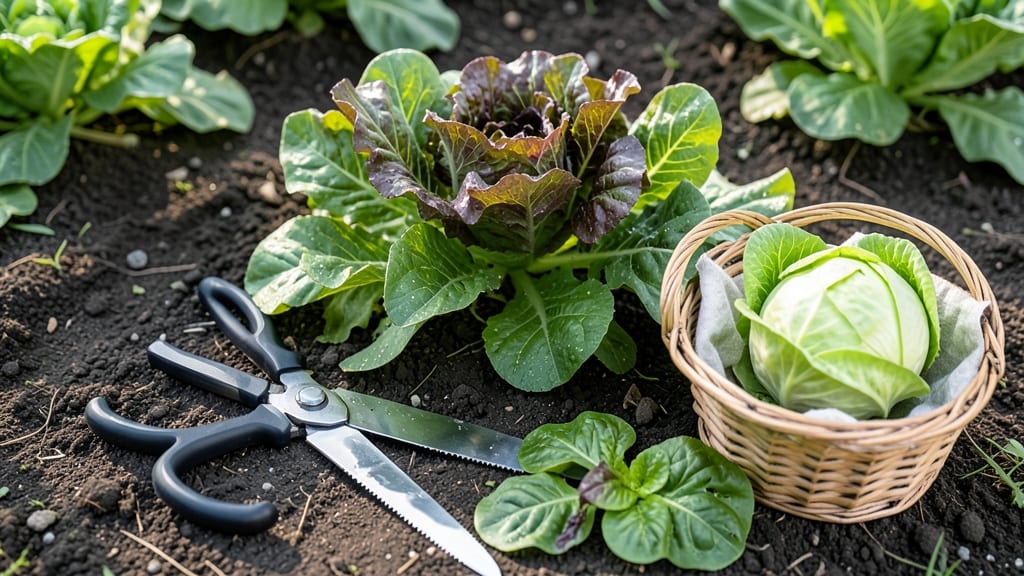
Harvesting lettuce from your garden at the right time keeps those crisp 🥬 greens tender and ready for your next salad—without turning bitter or tough.
Ever snipped a leaf just to find it taste like cardboard? That’s a classic sign you waited too long. The key is knowing when to cut—whether you’re after a few outer leaves or the whole head—and how to do it so your plants keep producing all season.
In this guide, I’ll walk you through the best time to harvest by leaf type, the tools to use, and how to avoid common mistakes like bolting or damaging the base.
You’ll also learn how to store your harvest and coax your lettuce into growing back for weeks of fresh greens.
Ready to go from “meh” lettuce to garden-fresh perfection? Let’s get started with three simple steps that’ll change how you harvest forever.
When to harvest lettuce for maximum freshness and regrowth potential
Timing your lettuce harvest correctly is the key to enjoying tender, flavorful leaves while encouraging your plants to keep producing. Unlike many vegetables, lettuce offers a continuous harvest window, but cutting too early or too late can ruin both quality and regrowth potential.
The ideal moment depends on your lettuce variety—whether it's loose-leaf or head-forming—and environmental conditions like temperature and daylight.
For loose-leaf varieties like butterhead or oakleaf, you can start harvesting as soon as the outer leaves reach 4-6 inches long. This method allows you to cut-and-come-again, meaning you trim just the outer leaves while leaving the inner growth intact.
Head lettuces, such as romaine or iceberg, should be harvested when the entire head feels firm and reaches its mature size—typically around 45-60 days after planting.
Visual cues are your best friends when determining harvest readiness. Look for dark green, crisp leaves that are fully formed and free from yellowing or wilting. Avoid harvesting when leaves appear pale or bitter, as this often signals stress from heat or drought.
In my experience, the best time of day to harvest is in the early morning, when leaves are fully hydrated and at their peak freshness.
Seasonal timing also plays a crucial role. In spring and fall, when temperatures are mild (between 50°F and 75°F), lettuce grows best and bolting—the process where it sends up a flower stalk—is less likely. Harvesting during these seasons ensures the sweetest, most tender leaves.
If you're growing in summer heat, focus on harvesting early in the season before temperatures rise above 80°F, as this can trigger bolting and bitterness.
Here’s a quick guide to help you visualize the ideal harvest conditions for different lettuce types:
| Lettuce Type | Harvest Timeframe | Visual Cues | Regrowth Potential |
|---|---|---|---|
| Loose-Leaf (e.g., Butterhead, Oakleaf) | 30-45 days; outer leaves 4-6" | Dark green, crisp, 6-8 mature leaves | High (cut outer leaves, leave core) |
| Head Lettuce (e.g., Romaine, Iceberg) | 45-60 days; full head formed | Firm, compact head, vibrant color | Low (harvest whole head) |
| Leaf Lettuce (e.g., Red Leaf, Green Leaf) | 35-50 days; individual leaves | Leaves 6-8" long, crisp texture | Medium (trim selectively) |
One of the biggest mistakes I see gardeners make is waiting too long to harvest. Over-mature lettuce becomes woody and bitter, especially in hot weather. If your lettuce starts to bolt—sending up a tall flower stalk—it’s already past its prime for leaf production.
In this case, harvest the remaining leaves immediately, as they’ll be more tender than they would be later in the season.
To maximize regrowth, always use a sharp knife or clean scissors to cut leaves just above the soil line or the growing point. This minimizes damage and encourages new growth.
For loose-leaf varieties, you can often get 3-4 harvests from a single plant if you’re consistent with your cutting schedule. After each harvest, water the plant thoroughly and keep it in a shady spot for a day to help it recover before returning it to its usual sunlight.
If you’re growing lettuce in containers or small spaces, focus on harvesting the largest, most mature leaves first. This prevents overcrowding and ensures all leaves have access to sunlight and nutrients.
In my container garden, I’ve found that harvesting every 7-10 days keeps the plants productive and prevents them from becoming leggy or stressed.
Finally, pay attention to the moisture levels in your soil before and after harvesting. Lettuce is 90% water, so consistent moisture is key to maintaining crispness.
If you notice the leaves wilting after harvest, give them a deep watering and place them in a shady, humid environment for a few hours to revive them before storing or using.
By mastering these timing and technique tips, you’ll enjoy a steady supply of fresh, tender lettuce all season long—without the bitterness or waste that comes from harvesting at the wrong time. Happy harvesting! 🥬
Step-by-step lettuce harvesting techniques to avoid damage and bolting
Harvesting lettuce properly is the key to enjoying tender, crisp leaves all season long. Whether you're growing loose-leaf varieties or head lettuce, the right technique prevents damage and encourages regrowth.
I’ve learned that even a small mistake—like cutting too close to the base—can stress your plants and trigger bolting, turning your greens bitter or woody.
Using the right tools and timing makes all the difference. A sharp pair of scissors or pruning shears ensures clean cuts, while harvesting in the morning after dew dries keeps leaves fresh.
I always avoid pulling leaves by hand, as this can uproot the plant or tear delicate foliage. Let’s break down the exact steps to harvest lettuce without harming your garden’s productivity.
How to Harvest Lettuce from Your Garden
- 1 Choose the right leaves: For loose-leaf varieties, pick outer leaves first when they reach 4-6 inches. For head lettuce, wait until the entire head feels firm.
- 2 Use clean tools: Sanitize scissors or pruning shears with rubbing alcohol to prevent disease. Avoid dirty knives or your fingers, which can introduce pathogens.
- 3 Cut at the base: For outer leaves, snip just above a leaf node (where new growth emerges). For whole heads, cut the stem 1 inch above the soil to allow regrowth.
- 4 Avoid over-harvesting: Never remove more than 1/3 of the plant at once. Over-harvesting stresses lettuce and can trigger bolting (flowering), ruining your crop.
- 5 Revive stressed plants: If leaves look wilted after harvest, water deeply and provide partial shade for 24 hours. A light nitrogen-rich fertilizer (like fish emulsion) can help recover growth.
One of the biggest mistakes I see gardeners make is harvesting lettuce during hot afternoons when leaves are wilted. This can cause damage and reduce shelf life. Always harvest in the early morning when leaves are crisp and hydrated.
If you notice your lettuce sending up a flower stalk, it’s already bolting—this means it’s past its prime for leaf production.
After harvesting, rinse your lettuce in cool water and pat dry with a clean towel to remove dirt. Store loose-leaf varieties in a perforated plastic bag in the fridge, while head lettuce lasts longer wrapped in a damp paper towel.
Proper post-harvest care extends freshness and keeps your garden productive for weeks.
With these techniques, you’ll enjoy a steady supply of tender, crisp lettuce all season—without the bitterness or bolting that ruins so many homegrown crops. Happy harvesting! 🥬