
How To
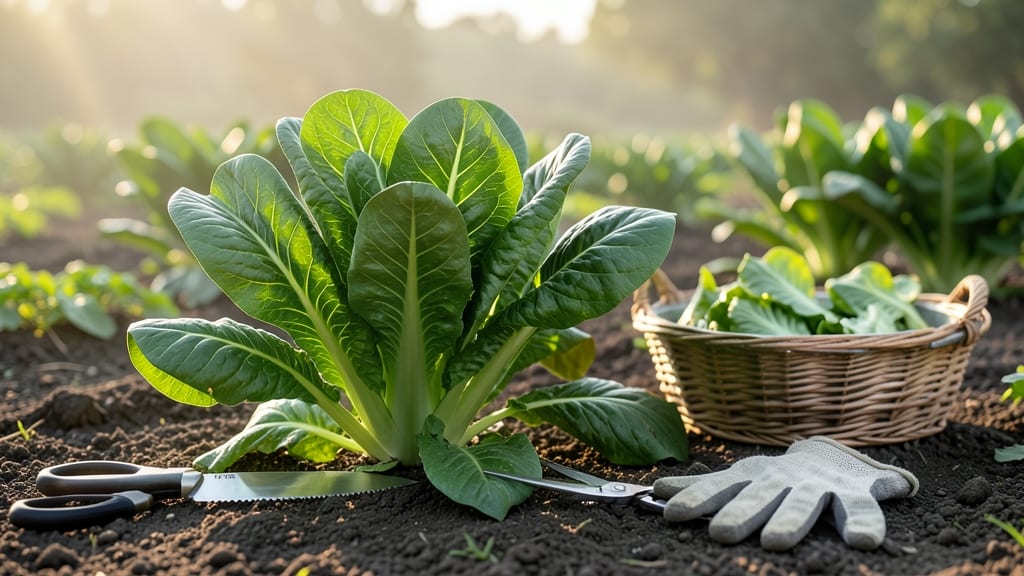
Harvesting romaine lettuce from your garden at the right time ensures crisp, flavorful leaves 🥬—and skipping these steps can turn your salad greens into bitter, overgrown disappointment.
Picture this: You’ve nurtured your romaine for weeks, watching it grow taller and fuller, only to pull it too early and end up with wilted, underdeveloped heads. Or worse, you wait too long, and the leaves turn tough and bitter.
The difference between a perfect harvest and a frustrating one often comes down to knowing when to act.
In this guide, I’ll walk you through the three key signs that your romaine lettuce is ready to pick—plus the best techniques to harvest without damaging the plant.
You’ll also learn how to store your fresh greens so they stay crisp for days, ensuring you get the most out of your homegrown bounty.
Whether you’re a beginner gardener or a seasoned grower, these tips will help you enjoy continuous harvests all season long—no guesswork required.
3 Clear signs your romaine lettuce is ready for harvesting
Harvesting romaine lettuce at the right moment transforms your garden into a crisp, flavorful salad source. The key lies in recognizing three visual and tactile cues that signal peak maturity. Ignoring these signs often leads to bitter, overgrown leaves or stunted regrowth—neither of which you want in your kitchen.
Let's explore how to spot these perfect indicators before your lettuce bolts or wilts.
First, pay attention to the plant height and leaf length. Romaine lettuce should reach between 12 to 18 inches tall with leaves extending 6 to 12 inches long. This full size ensures the crisp texture and robust flavor you crave.
Smaller leaves mean the lettuce isn't mature enough, while taller plants may already be bolting—sending up a flower stalk that ruins the tender leaves.
Next, examine the leaf firmness and structure. Ready-to-harvest romaine has upright, compact heads with leaves that stand stiffly rather than flopping. Gently squeeze a leaf—if it feels crisp and sturdy, it’s time to harvest.
Floppy or soft leaves indicate overwatering or maturity past its prime, leading to a sad, wilted salad.
Finally, check the color and core development. The leaves should be a deep, vibrant green without yellowing or browning. The core should feel tight and firm, not hollow or loose.
A pale or yellowing head means the lettuce is either nutrient-deficient or stressed, while a loose core suggests it’s already past its peak.
- 1 Height Check: Measure your romaine at 12–18 inches tall with leaves 6–12 inches long. Use a ruler or compare to your hand—if it reaches your wrist, it’s ready!
- 2 Firmness Test: Gently pinch a leaf—it should spring back and feel crisp, not mushy. Floppy leaves mean it’s overripe; stiff leaves mean it’s perfect.
- 3 Color & Core: Look for deep green leaves with no yellowing. The core should be tight and solid—tap it gently; it shouldn’t feel hollow or loose.
Timing your harvest correctly also means avoiding common mistakes like picking too early or too late. Harvesting too early results in small, underdeveloped leaves with weak flavor, while waiting too long can lead to bitterness or bolting.
Bolting occurs when romaine sends up a tall flower stalk, rendering the leaves tough and inedible. To prevent this, harvest before the central stem thickens or the leaves start curling.
For continuous harvests, I recommend the "cut-and-come-again" method. Instead of cutting the entire head, snip the outer leaves first, leaving the inner core intact. This encourages regrowth and extends your harvest window by 3–4 weeks.
Just be sure to leave at least 2–3 inches of growth at the base to support new leaves.
Another pro tip: harvest in the early morning when temperatures are cool. This ensures the lettuce is at its crispest and retains moisture longer. Avoid harvesting after a heavy rain or in the heat of the day, as this can cause the leaves to wilt quickly.
If you must harvest midday, place the lettuce in a shady, cool spot for an hour before washing and storing.
Finally, keep an eye out for pests or diseases that can mimic maturity signs. Yellowing leaves might indicate nutrient deficiency or aphids, while brown spots could signal fungal issues.
If you notice these problems, address them before harvesting to ensure your lettuce stays crisp, clean, and safe to eat. A quick inspection of the undersides of leaves can save you from a disappointing harvest.
By mastering these three signs—height, firmness, and color—you’ll consistently harvest romaine lettuce at its peak. Your garden will thank you with crisp, flavorful heads ready for salads, wraps, or grilling. Happy harvesting! 🥬
Step-by-step guide to harvesting romaine lettuce without damaging the plant
Harvesting romaine lettuce correctly ensures you get crisp, flavorful leaves while encouraging your plant to regrow for multiple harvests. The key is using the right technique—cutting leaves at the base rather than pulling them—to preserve the plant's health.
With proper timing and tools, you can enjoy fresh romaine straight from your garden for weeks.
Romaine thrives when harvested in the early morning after dew has evaporated but before the sun intensifies. This timing preserves moisture and crispness in the leaves. Avoid harvesting during hot afternoons or after heavy rain, as this can stress the plant and lead to bitter flavors or rot.
When harvesting romaine for regrowth, focus on cutting 1-2 outer leaves at a time. This method allows the inner leaves to mature while keeping the plant productive. For a full harvest, cut the entire head when the leaves reach 10-12 inches tall and form a tight, upright head.
After harvesting, rinse your romaine under cool water to remove dirt and debris, but avoid soaking it to prevent wilting. Store the leaves in a plastic bag with a paper towel in the refrigerator to maintain crispness for up to 5-7 days.
For long-term storage, consider freezing or fermenting for extended use.
To maximize your harvest, space out cuts every 2-3 weeks during the growing season. This balance ensures your romaine lettuce continues producing fresh, crisp leaves without bolting prematurely. With the right technique, you can enjoy homegrown romaine for months! 🥬