Tools
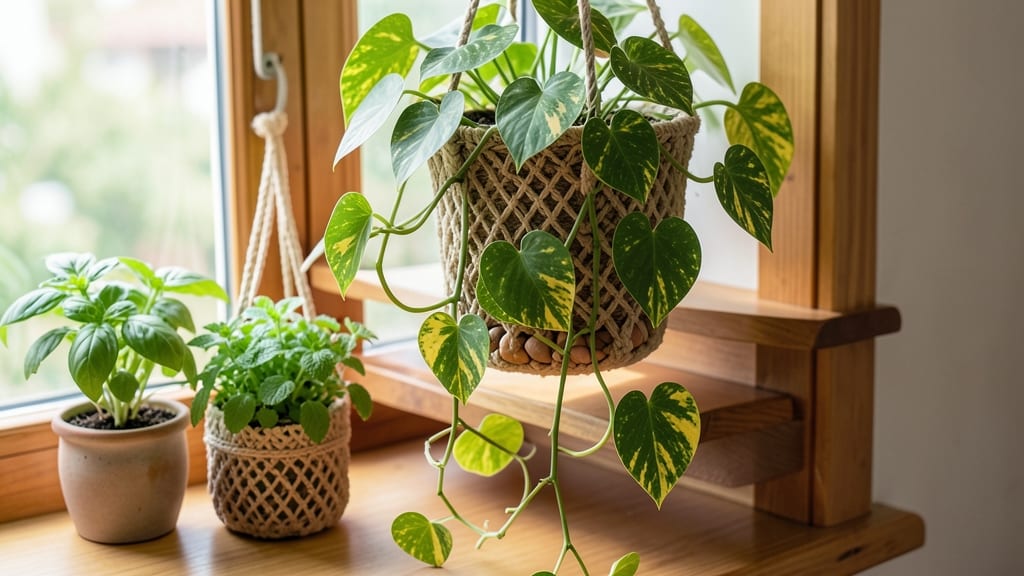
To have a garden in an apartment, you don’t need a backyard—just the right containers, plants, and a little creativity to turn your space into a thriving green oasis.
Dreaming of fresh herbs and homegrown veggies but stuck with limited apartment space? You don’t need a backyard to grow a thriving garden—just the right techniques and smart layouts. With vertical planters, sunlit windowsills, and compact varieties, even a tiny kitchen can yield basil, mint, and cherry tomatoes.
The key is choosing plants that thrive in bright, indirect light and containers that fit your space. Whether you’re working with a sunny balcony, a north-facing window, or a windowsill, there are solutions to maximize every inch—no yard required.
Below, I’ll walk you through the easiest plants for beginners, how to set up a space-saving layout, and the lighting hacks that make indoor gardening a breeze. Ready to grow?
Best space-saving garden layouts for small apartments
Living in an apartment doesn’t mean you have to give up on gardening! With the right space-saving layouts, you can grow fresh herbs, veggies, and even flowers without needing a backyard.
The key is maximizing vertical space and choosing compact, high-yield plants. Whether you have a balcony, windowsill, or just a sunny corner, these creative solutions will transform your tiny space into a thriving garden.
Start by assessing your available space and sunlight. A south-facing balcony gets the most light, while east or west exposures work well for herbs and leafy greens. If you’re limited to indoor spaces, prioritize areas near windows or invest in grow lights.
The goal is to create a layout that’s both functional and aesthetically pleasing, so don’t hesitate to mix containers, racks, and hanging planters for a layered look.
Here’s how to compare the most effective layouts for your apartment garden:
For apartment dwellers, vertical gardening is a game-changer. Install wall-mounted planters or pocket planters to grow herbs like basil and mint without taking up valuable floor space. These systems often come with built-in irrigation, making maintenance a breeze.
I love using modular panels that can be expanded as my garden grows—just add more sections as needed!
If you have a balcony, create a tiered layout with stacked shelves or racks. Place taller plants like tomatoes or peppers on the bottom and shorter herbs on the top.
This not only saves space but also ensures all plants get the light they need. Just make sure your balcony can support the weight—especially after watering!
Don’t overlook hanging planters for trailing plants like cherry tomatoes or nasturtiums. They add a whimsical touch while freeing up precious floor space. Hang them from ceiling hooks, balcony railings, or even a sturdy branch indoors.
Just ensure they’re secured tightly to prevent accidents, especially if you have pets or kids around.
For indoor spaces, window boxes are perfect for growing microgreens or small lettuce varieties. Place them on a sunny windowsill and rotate them weekly to ensure even light exposure.
If your apartment lacks natural light, consider a grow light setup—LED grow lights are energy-efficient and can extend your growing season year-round.
Finally, think about foldable planters if you’re renting or need flexibility. These can be stored in a closet when not in use and pulled out during the growing season.
They’re ideal for seasonal crops like radishes or bush beans, giving you the freedom to switch up your garden layout without commitment.
With these layouts, you’ll maximize every inch of your apartment while enjoying a bountiful harvest. Start small, experiment with what works best for your space,
Top 7 easy-to-grow herbs and veggies for beginners
Starting a garden in your apartment doesn’t mean sacrificing fresh flavors or vibrant greens.
I’ve grown these 7 beginner-friendly herbs and veggies in pots on my balcony and windowsill—each thrives with minimal care and space. Basil, mint, cherry tomatoes, and lettuce top the list because they’re forgiving, fast-growing, and perfect for small containers.
The key is choosing plants that match your light conditions and maintenance routine.
For indoor growers, prioritize herbs like green onions and parsley—they tolerate lower light better than veggies. If you have a sunny balcony, cherry tomatoes and lettuce will reward you with harvests in just 6-8 weeks.
Always use pots with drainage holes to prevent root rot, and rotate plants weekly for even growth. Even a 6-inch pot can yield enough basil for pesto or mint for tea!
🌱 SUMMARY-TABLE: Quick Growing Guide
| Plant | Sun Needs | Water Needs | Mature Size | Harvest Time |
|---|---|---|---|---|
| Basil | 6+ hours | Medium | 12-24" | 6-8 weeks |
| Mint | 4-6 hours | High | 12-18" | 8-10 weeks |
| Cherry Tomatoes | 8+ hours | Medium-High | 24-36" | 10-12 weeks |
| Lettuce | 4-6 hours | Medium | 6-12" | 4-6 weeks |
| Green Onions | 4+ hours | Low-Medium | 12-18" | 3-4 weeks |
| Parsley | 4-6 hours | Medium | 8-12" | 8-10 weeks |
| Thyme | 6+ hours | Low | 6-12" | 10-12 weeks |
My basil plants grow best in full sun (6+ hours daily), but I’ve kept them alive on a south-facing windowsill with a grow light during winter. For lettuce and green onions, I use partial shade—they bolt (go to seed) quickly in hot afternoons.
Always check the back of seed packets for light requirements; they’re your best guide!
When it comes to watering, I stick to the "finger test": stick your finger 1 inch into the soil. If it’s dry, water until it drains from the bottom. Mint and parsley love moisture, while thyme and basil prefer slightly drier soil.
Overwatering is the #1 killer of apartment plants—trust me, I’ve drowned more than a few!
Harvesting